
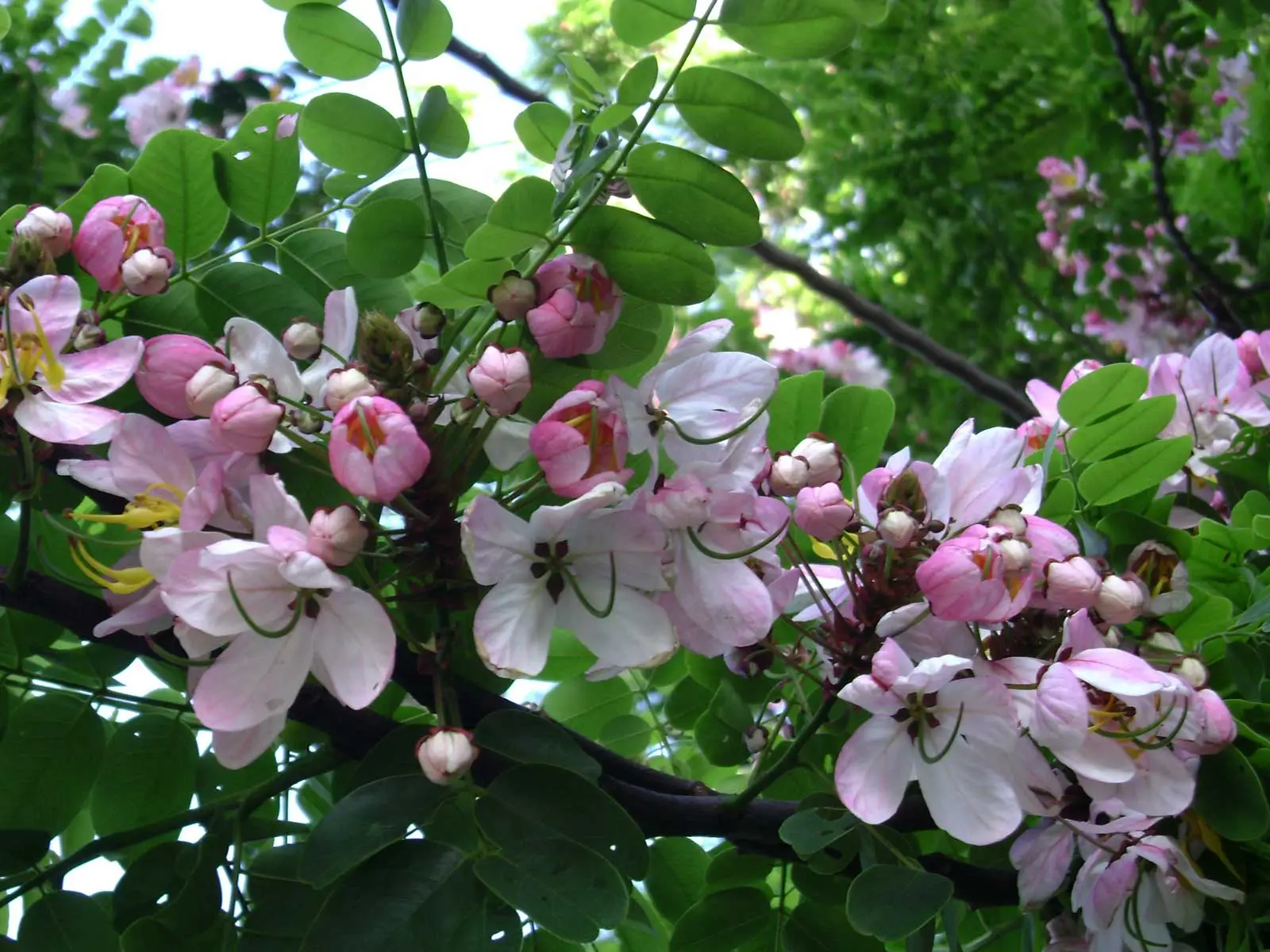
Why some seeds refuse the dark
Every gardener eventually meets the same puzzle: two packets of seeds, sown on the same day, in the same compost, at the same temperature — and one tray erupts with seedlings while the other sits stubbornly bare. Very often the difference is not the seed's quality, nor your patience. It is light. Some seeds carry a built-in instruction that says, in effect, "do not wake up until you sense you are near the surface." Bury them a centimetre too deep and they will simply wait, sometimes for years, for a light signal that never comes.
This chapter is about that hidden instruction. By the end you will know which seeds you must never bury, which ones demand darkness, and how to read a seed's size and origin to make a confident guess even when the packet tells you nothing.
The science, in plain language
Inside many seeds sits a light-sensitive pigment called phytochrome. It exists in two forms that flip back and forth depending on the light the seed receives. Red light (abundant in open sunlight) switches phytochrome into its active form, which can trigger germination. Far-red light — the kind that has passed through a leafy canopy or a thick layer of soil — switches it back to the inactive form and keeps the seed dormant.
This is a survival strategy, not a quirk. A tiny seed with almost no food reserves cannot afford to sprout under 3 cm of soil; it would exhaust itself before reaching daylight. So it stays asleep until light tells it the coast is clear — a gap in the canopy, freshly turned earth, a burnt clearing. Larger seeds, packed with energy, can afford to germinate in darkness deep down, because they carry enough fuel to push a shoot up through the soil.
The rule of thumb: size tells you almost everything
You will not always have germination data to hand. Fortunately there is a reliable shortcut, and it works surprisingly often:
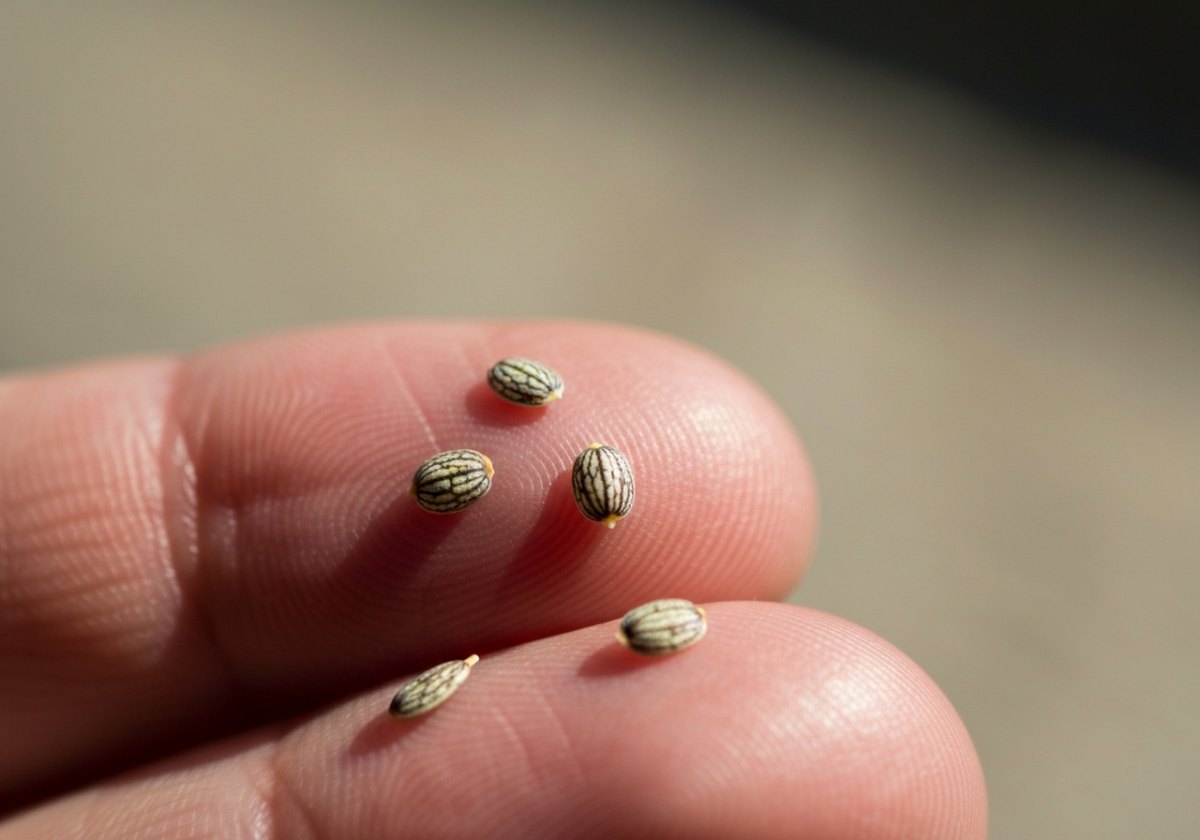
- Very small seeds (dust-like to about 1 mm) — usually need light. Surface-sow, do not cover. Examples: Begonia, Petunia, Lobelia, Foxglove (Digitalis), most Campanula, Nicotiana.
- Medium seeds — variable; check the species. Some, like Lettuce and many Primula, prefer light; others are indifferent.
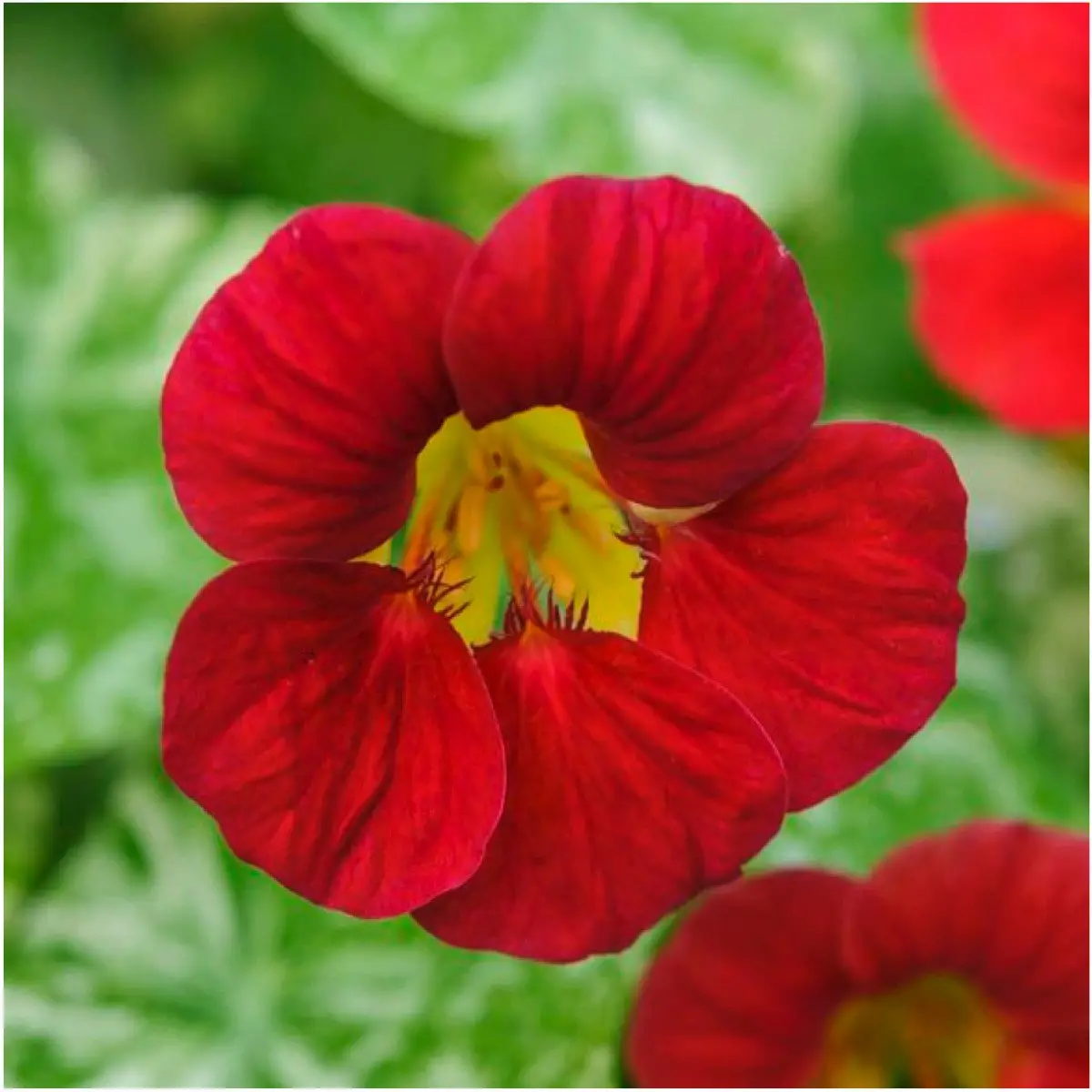
- Large or hard seeds (peas, beans, nasturtium, Canna, morning glory) — generally indifferent to light or actively prefer darkness. Bury them at roughly 2–3 times their diameter.
Seeds you must NEVER bury (surface-sowers)
These species are reliable light-requirers. Press them gently onto moist compost so they make good contact, but leave them fully exposed to light:
- Begonia semperflorens and tuberous Begonia — dust seed, absolute light requirement.
- Petunia and Calibrachoa.
- Lobelia erinus.
- Digitalis purpurea (foxglove).
- Nicotiana (flowering tobacco).
- Antirrhinum (snapdragon).
- Impatiens.
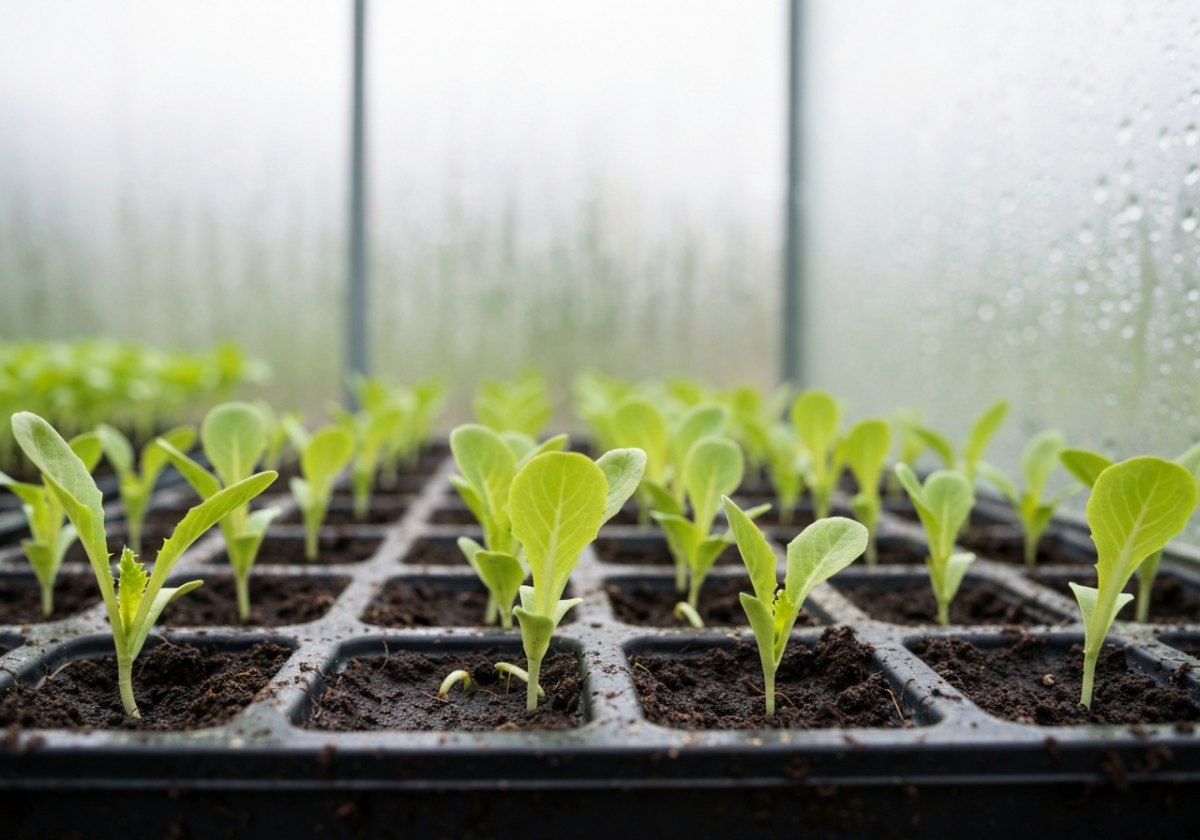
- Lactuca sativa (lettuce) — germination is inhibited in darkness and by high temperatures above ~25 °C.
- Many alpines and Campanula species.
- Achillea, and numerous Primula species.
Seeds that prefer darkness
A smaller group is genuinely light-*inhibited*: exposure to light suppresses germination, so these must be covered or grown in the dark until they emerge.
- Nigella (love-in-a-mist).
- Phacelia.
- Calendula (pot marigold) — cover well; it germinates markedly better in darkness.
- Delphinium and Larkspur — sensitive to light; cover and keep cool.
- Verbena bonariensis.
- Cyclamen — needs true darkness and cool conditions.
- Onion, leek and many alliums are indifferent but sown deep for practical reasons.
How to sow a light-requiring seed, step by step
- Fill a clean tray with a fine, low-nutrient seed compost and firm it lightly so the surface is level.
- Water from below by standing the tray in a shallow bath until the surface darkens with moisture. This avoids washing tiny seeds around.
- Mix very fine seed with a pinch of dry silver sand in your palm — this helps you scatter it evenly and see where it lands.
- Scatter thinly across the surface. Do NOT cover with compost. For light-lovers you may press gently with a flat board to ensure contact.
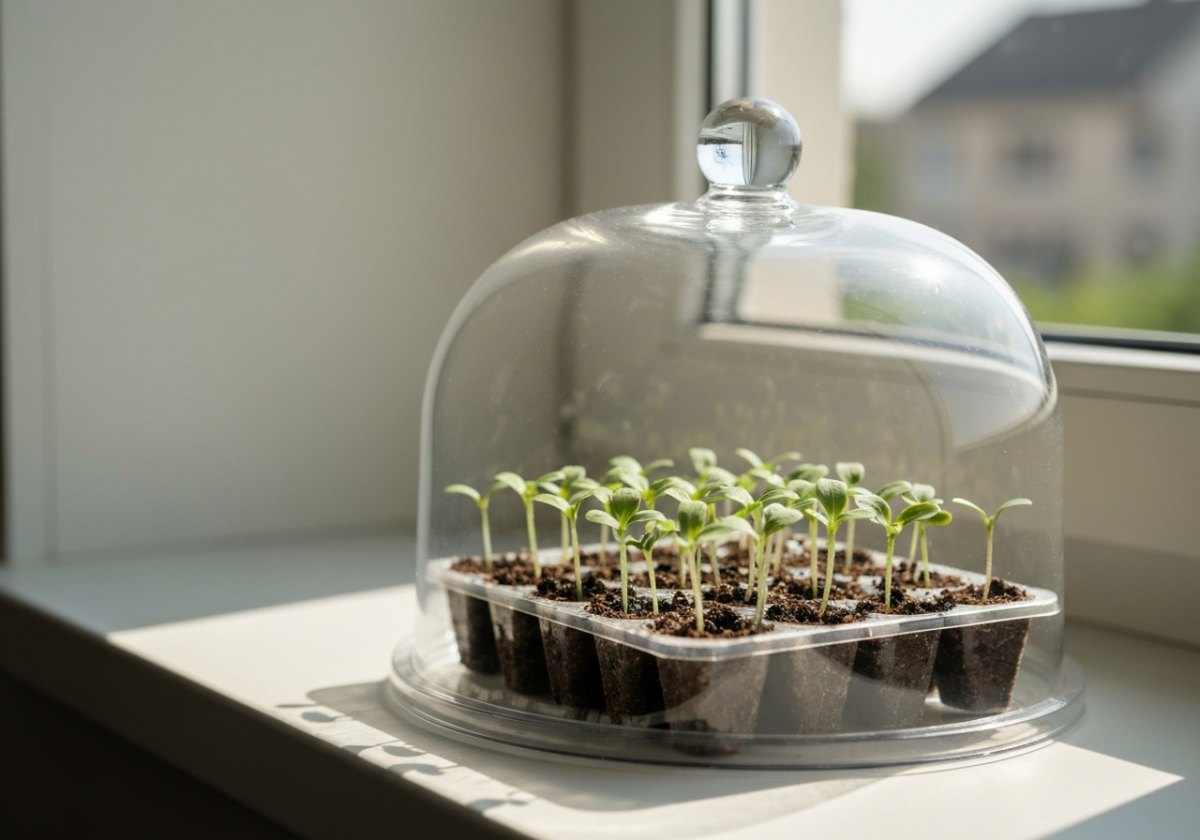
- Cover the tray with a clear lid, plastic bag or glass to hold humidity — but keep it transparent so light passes through.
- Place in bright, indirect light at the species' preferred temperature (many annuals like 18–22 °C; lettuce prefers a cooler 15–18 °C).
- Never let the surface dry out; mist gently or re-bottom-water as needed. Surface seeds are unforgiving of a single dry afternoon.
When light and temperature interact
Light requirements rarely act alone. Lettuce is the textbook example: it germinates well in light at 15–18 °C, but at temperatures above about 25–30 °C it enters thermodormancy and refuses to sprout even in good light. The practical lesson is that if your surface-sown seeds stall, check both variables — you may need more light *and* a cooler spot. Conversely, some seeds that prefer darkness also want warmth, so covering them serves the double purpose of excluding light and buffering temperature.
Reading the seed when the packet is silent
With rare or wild-collected seed you often have no instructions at all. Combine three clues: size (tiny favours light), habitat (pioneers of open ground and disturbed soil tend to need light; woodland-floor plants often prefer darkness), and seed coat (very hard, large coats usually mean bury and possibly scarify). When still unsure, hedge your bets: sow half a batch on the surface and half lightly covered, and label each. You will learn the species' true preference for future sowings — a habit that turns every germination into a small experiment.
A seed knows more about where it belongs than any label ever could. Our job is only to listen to its size, its coat, and the light it asks for.— Quinta dos Ouriques University
Master this single principle — that light is an active signal, not just a comfort — and a whole category of "difficult" seeds becomes straightforward. Next time a tray stays bare, your first question will no longer be "were these seeds bad?" but "did I bury a seed that begged to see the sky?"