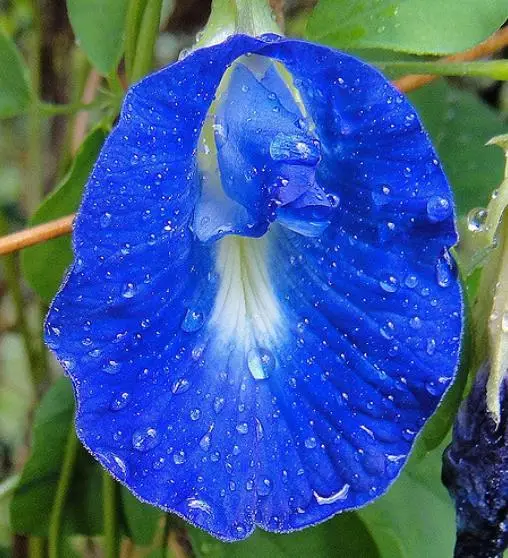
The quiet miracle inside every seed
A seed is one of the most remarkable structures in the living world: a fully formed embryonic plant, packed with a lunchbox of stored food, sealed inside a protective coat, and capable of waiting — sometimes for years or even decades — for the exact moment conditions are right to wake up. Germination is not something we *do* to a seed. It is something the seed does, when we give it the right combination of signals. Our job as growers is not to force the plant into life, but to remove the obstacles and supply the cues that tell the embryo: *now is safe, now is the time*.
In this chapter we will unpack exactly what those cues are. Once you understand the four core requirements — water, oxygen, temperature and (for some species) light — plus the extra locks that dormancy adds, you will be able to look at almost any unfamiliar seed and make an intelligent plan for it. That skill matters far more than any single recipe, because rare seeds rarely come with instructions.
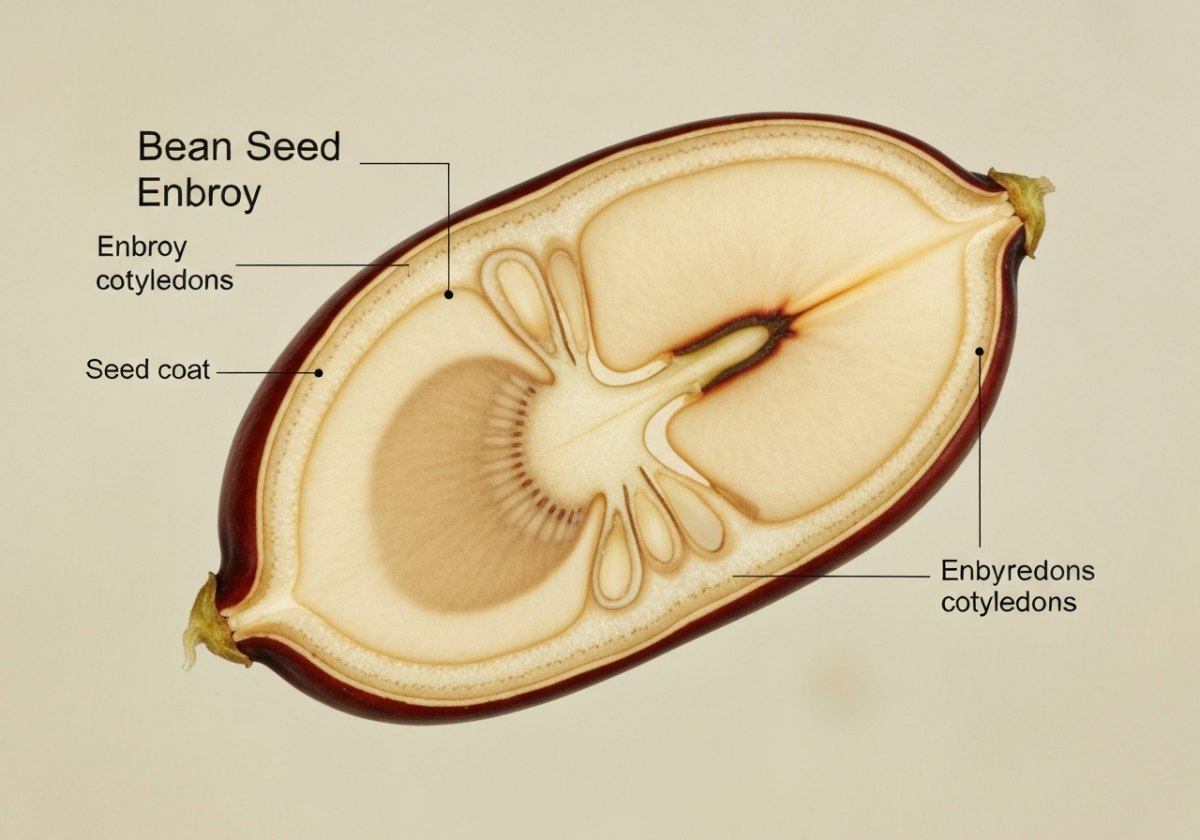
The four essentials
Almost every seed on Earth needs the same handful of things to begin growth. Get these right and you have solved the majority of germination problems. Get one badly wrong — soil too cold, medium too wet, seed buried too deep — and even the healthiest seed will sit and rot.
1. Water — the trigger
Germination begins with imbibition: the dry seed absorbs water and swells, sometimes doubling in size within hours. This rehydrates the tissues, activates enzymes, and mobilises the stored starches and oils into sugars the embryo can burn for energy. Without water, nothing happens; the seed simply remains dormant. The challenge is balance. The medium must stay evenly moist — think of a wrung-out sponge — but never waterlogged. Saturated medium drives out air and invites fungal rot, which is the single most common way beginners lose seeds.
2. Oxygen — the fuel supply
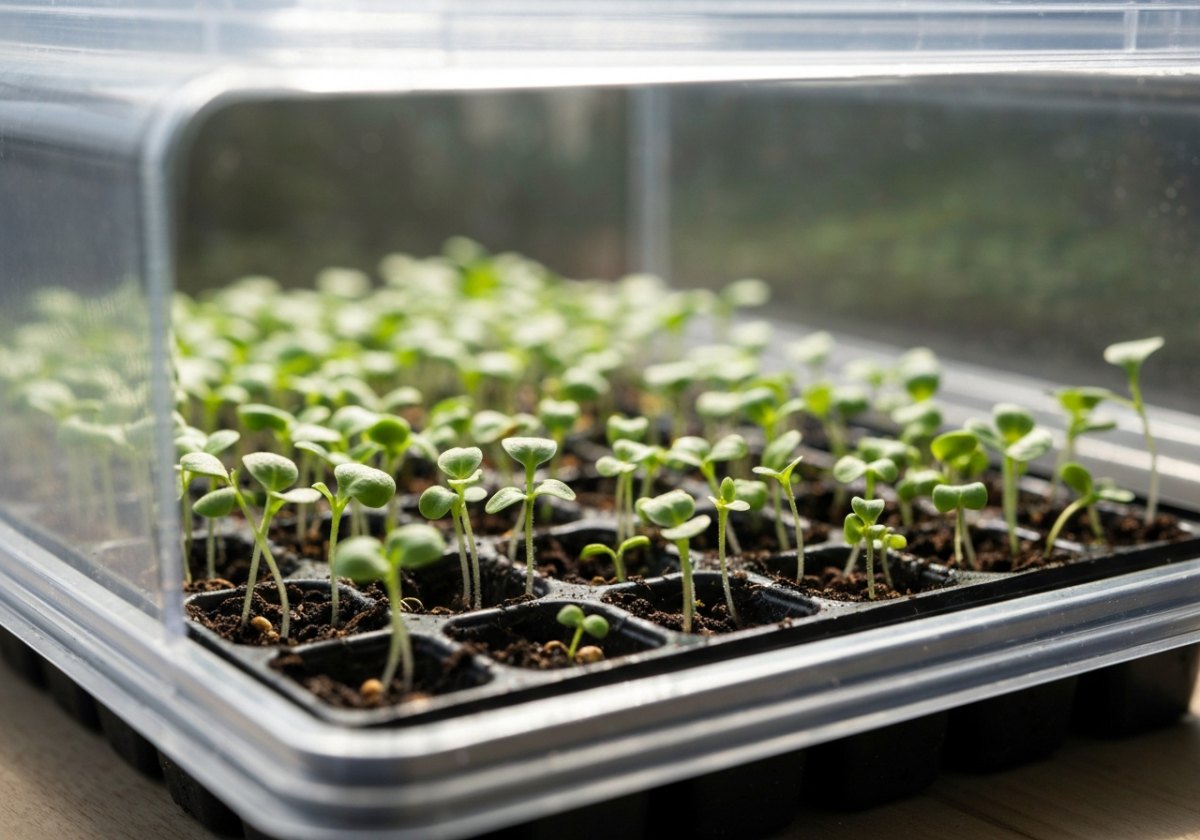
A germinating seed respires vigorously as it converts stored food into growth. That respiration burns oxygen, so the seed must be able to breathe. This is precisely why waterlogged soil kills: water fills the air spaces and suffocates the embryo. Use a light, open medium (see below), avoid compacting it, and never let a tray sit in standing water. A humidity dome keeps moisture up without drowning the seeds — but crack it open daily for fresh air.
3. Temperature — the accelerator
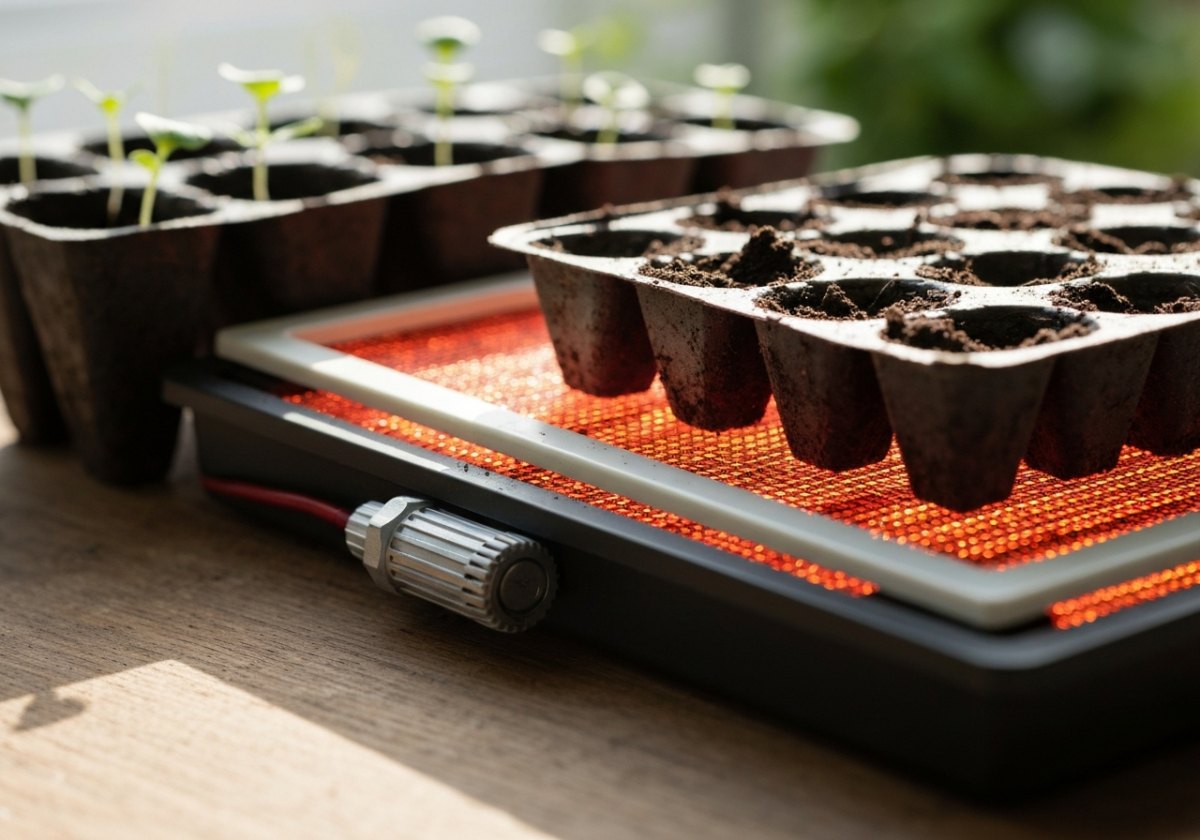
Every species has a temperature range where its enzymes work best. Push too cold and germination crawls or stops; push too hot and you can cook the embryo or trigger a heat-induced dormancy. Most temperate vegetables and flowers germinate happily at 18–24 °C. Warm-climate and tropical species — think Canna, many palms, Adenium — prefer 25–30 °C. Cool-season plants such as lettuce, primula and many alpines actually germinate better around 10–18 °C and may stall above 25 °C. A cheap soil thermometer and a heat mat with a thermostat are the two most useful tools you can own.
4. Light (or darkness) — the finishing signal
Many seeds are indifferent to light, but a significant minority are light-dependent and must sit on or very near the surface to germinate. Classic examples include lettuce, Lobelia, Begonia, foxglove (Digitalis), and many Petunia. These often have tiny seeds — a plant that makes dust-fine seed 'assumes' it cannot push through much soil, so it waits for light as proof it is near the surface. Others are dark-dependent and germinate poorly if left exposed, such as Phacelia, Nigella and many alliums. When in doubt, follow the classic rule: sow at a depth of two to three times the seed's diameter, and surface-sow anything as fine as dust.
When the essentials aren't enough: dormancy
Some seeds have everything they need — warmth, water, oxygen, light — and *still* refuse to germinate. This is dormancy: a built-in delay mechanism that stops the seed sprouting at the wrong moment, for example in autumn just before a killing winter. Rare and wild-collected seeds are far more likely to be dormant than domesticated crop seed, so this is where many rare-seed projects stall. There are two dormancy locks you will meet most often.
Physical dormancy: the hard coat
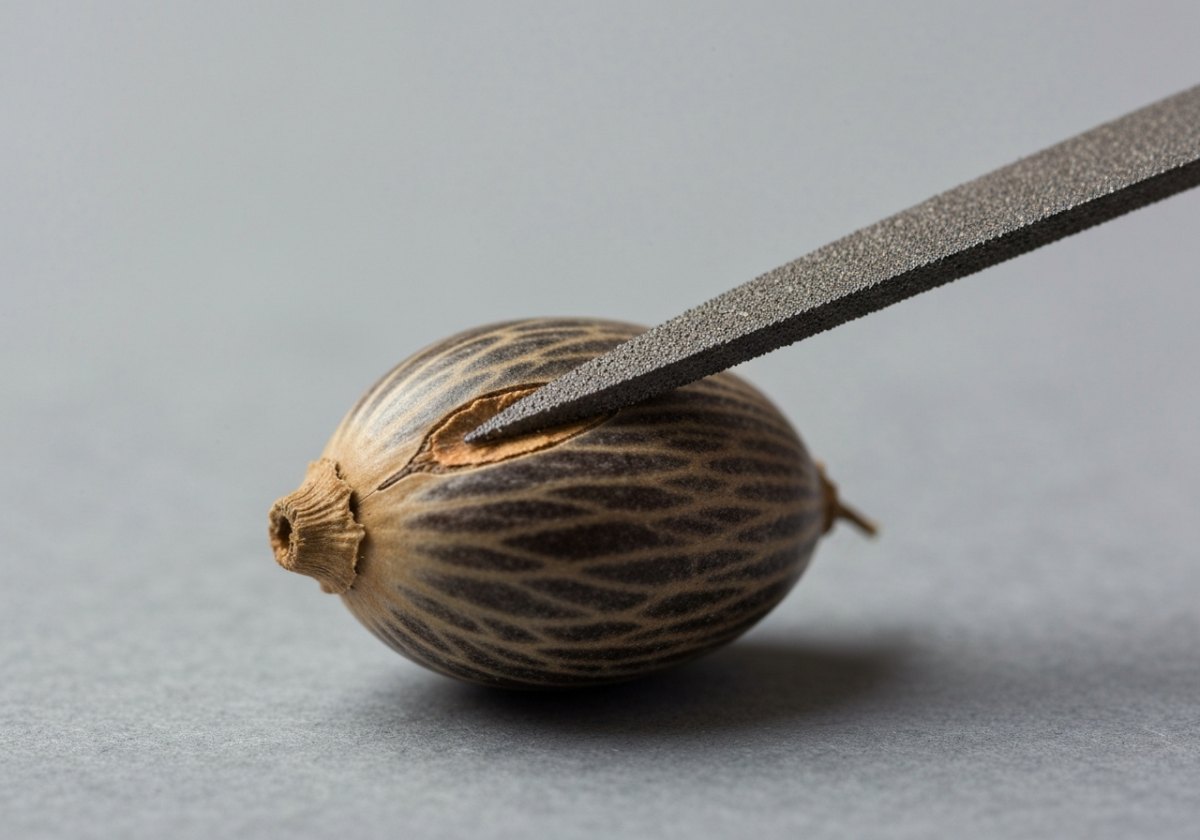
Some seeds have a coat so hard and waterproof that imbibition simply cannot happen — water can't get in, so the seed never wakes. This is common in the legume family (Acacia, lupins, Gleditsia), in Canna, and in many hard-shelled tropical seeds. The fix is scarification: nicking, filing or sanding the coat to let water through, or a controlled hot-water soak. For Canna indica, for example, a nick with a file followed by a 24-hour soak often transforms germination from near-zero to reliable within a week.
Physiological dormancy: the chemical clock
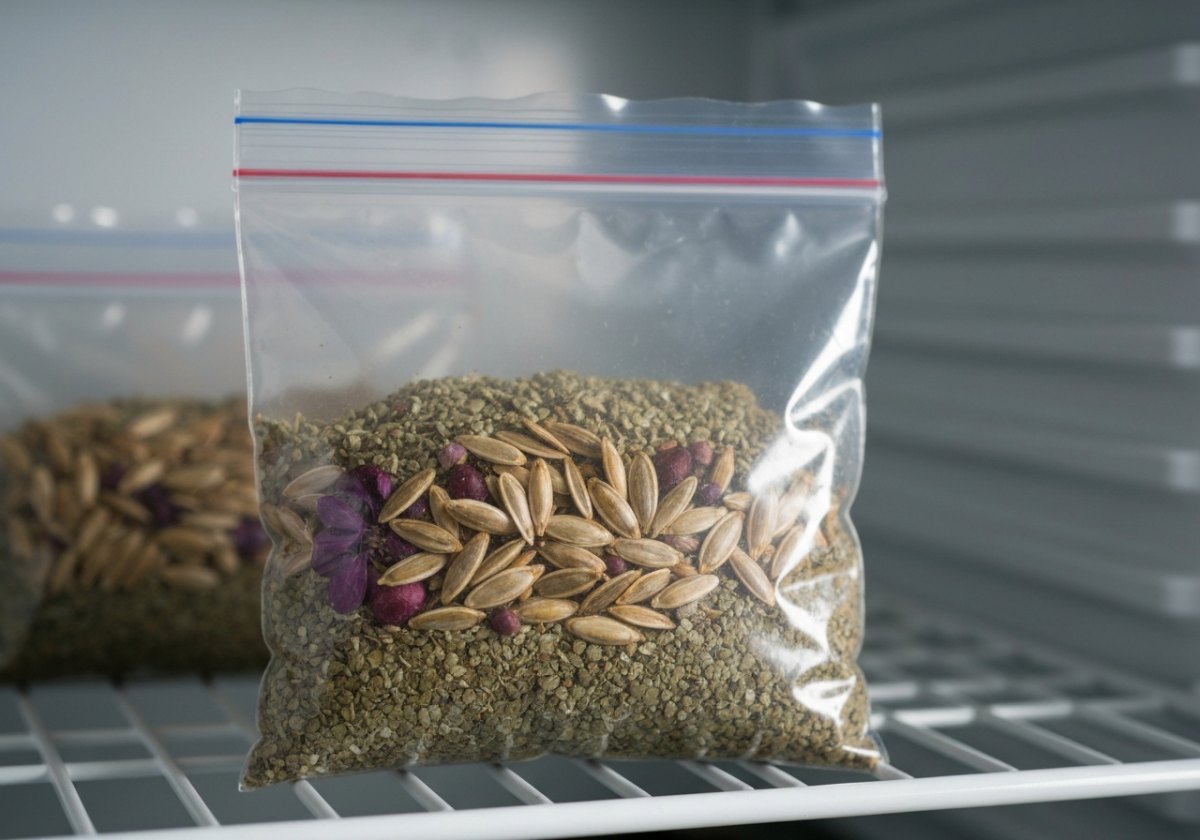
Other seeds are chemically dormant: the embryo is held in check by internal inhibitors that only break down after a specific weather experience. The most common treatment is cold-moist stratification — mimicking winter by holding the moist seed at 1–5 °C for a set period (often 4–12 weeks) before moving it to warmth. Apple, many maples (Acer), and countless perennials such as Aquilegia and Echinacea respond to this. A few complex seeds need *warm* stratification then *cold*, sometimes over two seasons. Patience is a botanical skill.
Putting it together: a practical checklist
Before you sow any unfamiliar rare seed, run through this short diagnostic. It takes five minutes and prevents most failures.
- Identify the plant's native climate. Tropical origin usually means warmth (25–30 °C) and no cold treatment; temperate or alpine origin often means a cold-moist stratification is needed.
- Inspect the seed coat. Is it hard, glossy and waterproof? If a test soak leaves it un-swollen after 24 hours, plan to scarify.
- Check seed size for depth and light. Dust-fine or known light-lovers go on the surface; larger seed goes 2–3× its width deep.
- Choose an open, sterile medium — for example a mix of fine seed compost with 30–50% perlite or vermiculite for drainage and air.
- Set your temperature deliberately with a thermometer and, if needed, a thermostat-controlled heat mat.
- Moisten before sowing so the medium is evenly damp, then keep it that way — never let it dry out, never let it flood.
- Label everything with species and sow date, and note the expected germination window so you don't give up too early.
Germination times vary enormously. Lettuce and many annuals appear in 3–7 days; tomatoes and peppers in 7–14 days at 25 °C; many perennials and shrubs take 3–8 weeks; and some tree and palm seeds may need several months, even after correct treatment. Write the date on the label so you can be patient with confidence rather than anxiety.
The best growers are not those who never lose a seed, but those who understand why a seed did or did not wake up.— Quinta dos Ouriques University
What to carry forward
If you remember nothing else from this chapter, remember this: a seed germinates when water, oxygen and the right temperature come together, with light or dark as needed, and with any dormancy lock deliberately released first. Every species is a variation on that theme. In the chapters ahead we will apply these principles to specific techniques — scarification, stratification, medium mixes and sowing depth — but they all rest on the foundation you have just built. Understand the seed's needs, meet them honestly, remove the locks, and then give it the one thing every gardener must offer: time.