Why the Substrate Is the Cradle of Germination
When a seed splits its coat and pushes out its first fragile root, it is entirely at the mercy of the material surrounding it. That material — the substrate — decides how much water the seed can drink, how much oxygen reaches the emerging radicle, whether damping-off fungi will strike, and how easily the delicate root can push forward. A brilliant seed in a poor substrate often rots; a modest seed in an excellent substrate frequently thrives. In this chapter we map the main substrate types, their physical and chemical characteristics, and how to choose and blend them for rare and demanding seeds.
Throughout, keep three properties in mind, because almost everything else follows from them: water-holding capacity (how much moisture the material retains), aeration porosity (the fraction of air-filled space after drainage), and chemical activity (pH, nutrient content and cation exchange). A good germination mix typically holds moisture while keeping roughly 20–30% air-filled porosity after it drains.
Organic Substrates
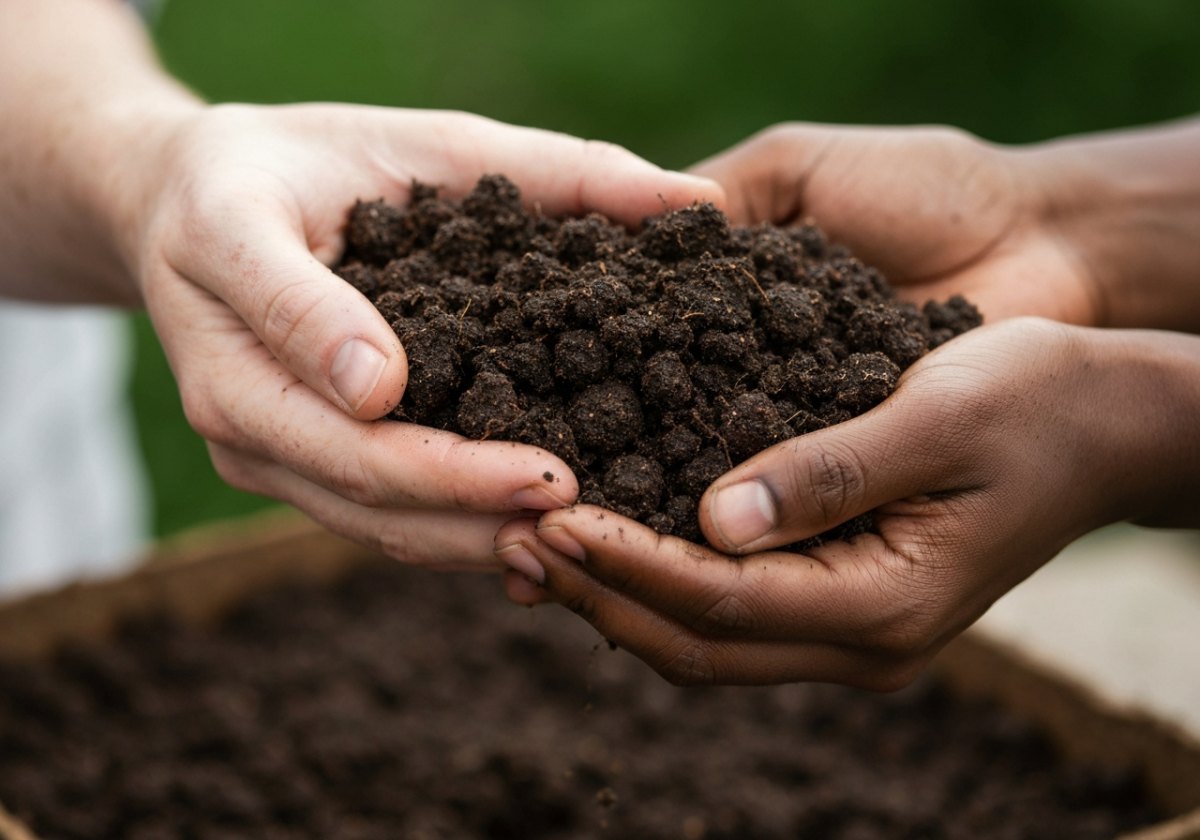
Organic substrates come from living or once-living matter. They are prized for water retention and nutrient reserves, but they break down over time, can compact, and vary batch to batch.
Peat (Sphagnum peat moss)
Peat is the classic backbone of seed-starting mixes. It holds an enormous amount of water — often 8 to 10 times its dry weight — has fine, uniform texture, and is naturally low in pathogens. Its main drawbacks: it is acidic (pH 3.5–4.5, usually limed up to 5.5–6.0 in commercial mixes), and once fully dry it becomes hydrophobic and repels water. Peat is also a slowly renewing resource, which is why many growers move toward coir.
Coir (coconut fibre and pith)
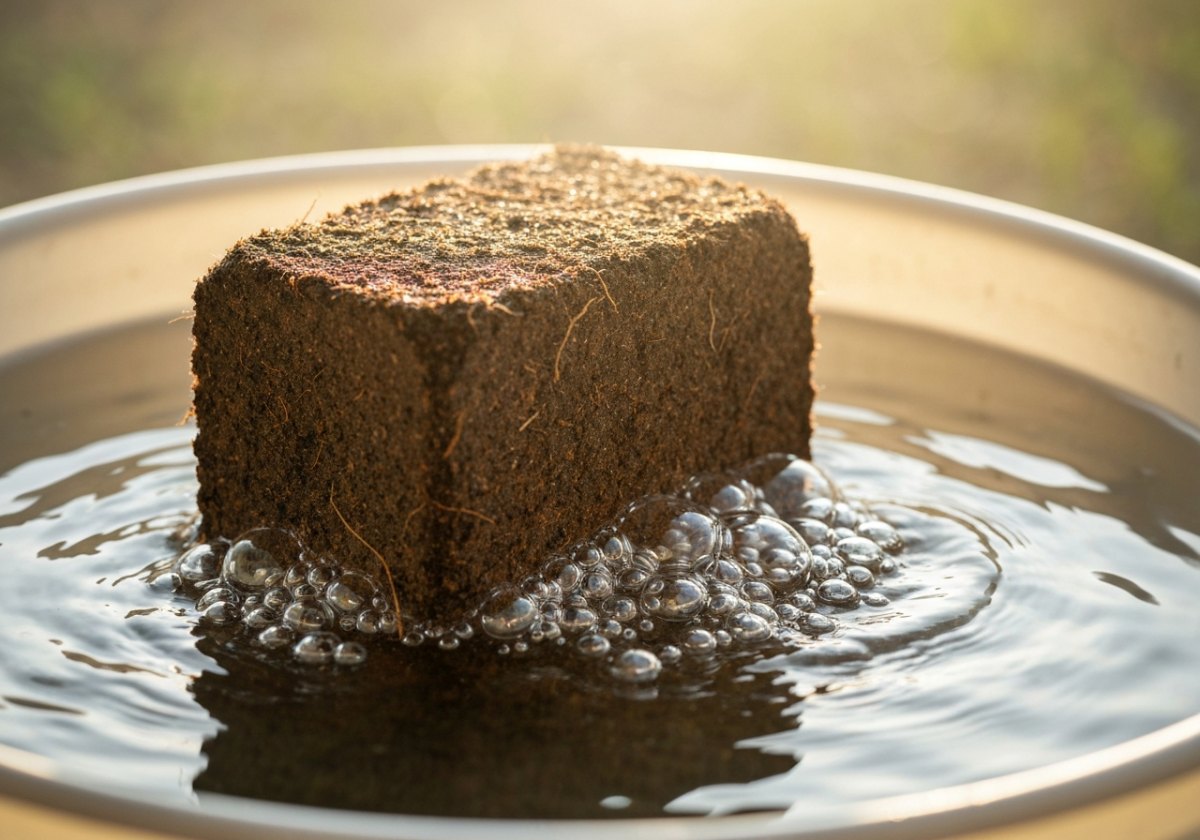
Coir, made from coconut husk, is the leading peat alternative. It re-wets easily even when dry, has a near-neutral pH (5.8–6.8), and offers good structure. Watch two things: cheap coir can carry high salts, so look for washed/buffered product and rinse if in doubt; and coir is naturally high in potassium but low in calcium, which you may need to correct for longer grow-outs.
Composted bark, worm castings and compost
Fine composted pine bark adds air and resists compaction, useful for larger or long-lived seedlings. Worm castings and mature compost bring biology and gentle nutrition, but they should be a minority component (10–20%) in a germination mix — too much organic nutrient encourages algae, fungus gnats and damping-off around vulnerable seedlings.
Mineral (Inorganic) Substrates
Mineral materials do not decompose, contribute almost no nutrients, and are typically sterile. They exist mainly to manage air and water. Used alone they are excellent for cold stratification and for very rot-prone seeds; blended in, they open up otherwise dense organic mixes.
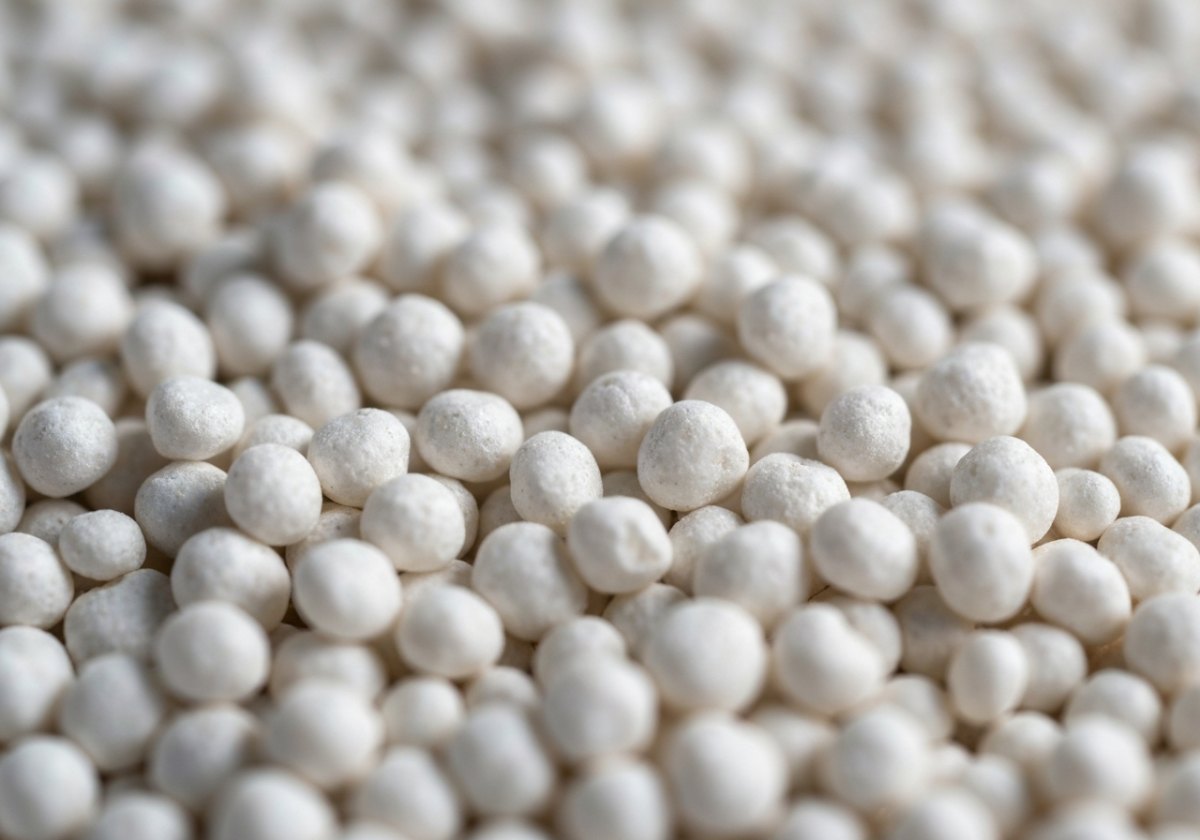
- Perlite — expanded volcanic glass, extremely light, adds air-filled porosity. Holds little water internally. Rinse it to reduce fine dust before use. Ideal at 20–40% of a mix.
- Vermiculite — expanded mica; unlike perlite it holds water and nutrients (high cation exchange). Perfect for covering fine seeds and for moist stratification. Fine or medium grade for seeds.
- Pumice — porous volcanic rock, heavier than perlite, doesn't float or crush. Excellent for succulents, cacti and cycads. Grain 2–6 mm.
- Coarse sand / quartz grit — sharp sand (not fine builder's sand) improves drainage and anchors seeds; use 1–3 mm grit for alpines and Mediterranean species.
- Calcined clay and akadama — fired clay granules that hold water in their pores while draining fast; favoured for bonsai and specialist alpines.
Reading a Species and Matching the Mix
Different seeds want different worlds. Rather than a single 'best' substrate, aim for the right characteristics for the species in front of you.
- Tiny dust seeds (Begonia, orchids, many ferns): sown on the surface of a fine, firm, moist mix — sieved peat/coir with fine vermiculite. Do not bury; they need light and cannot push through grit.
- Standard vegetable and annual seeds: a balanced 50% coir or peat + 25% perlite + 25% fine compost works reliably at pH 5.8–6.5.
- Succulents, cacti, cycads: gritty and fast-draining — e.g. 50% pumice/perlite + 30% coir + 20% coarse sand, so the surface dries within a day.
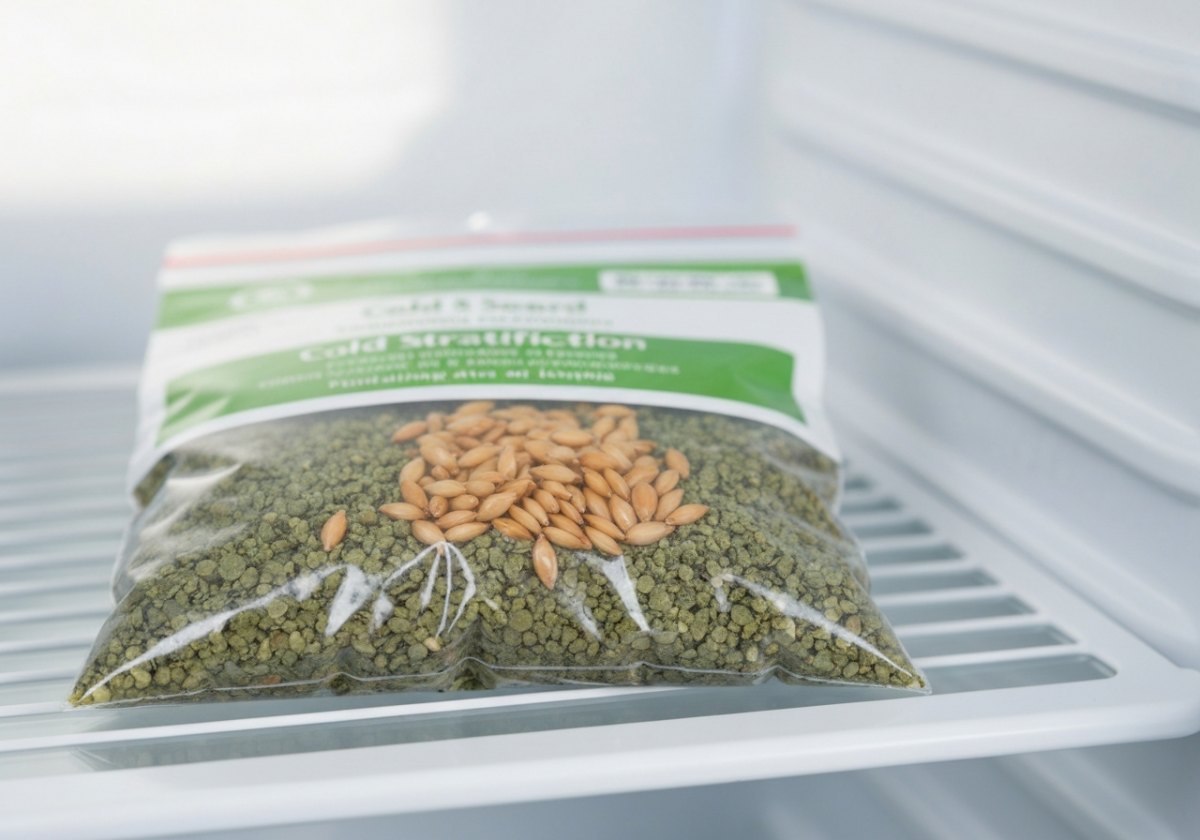
- Cold-stratifying seeds (many temperate trees and perennials): mix seeds into barely-moist vermiculite or a 50/50 perlite–peat blend in a labelled bag at 3–5 °C for the required weeks.
- Palms and large tropical seeds: an open, warm, moisture-retentive blend of coir + perlite (70/30) kept at 27–32 °C, often in a baggie or box.
Hygiene, Water and the Damping-off Problem
The single most common killer of seedlings is damping-off, a fungal collapse at the soil line caused by pathogens like Pythium and Fusarium thriving in wet, stagnant, over-rich substrate. Your substrate strategy is your first line of defence: use fresh, clean material; keep the mix moist but never waterlogged; and ensure air movement. For precious seeds, many growers sterilise a batch by heating moistened mix to an internal 82–90 °C for 30 minutes (oven or microwave), then cooling it fully before sowing.
pH, Salts and Water Quality
Most seeds germinate happily in a pH range of 5.5–6.5. Extremes lock up nutrients and can inhibit emergence. A cheap pH meter or test strips are worth having. Equally important is salinity: high soluble salts (from cheap coir, over-fertilised compost, or hard tap water) pull water back out of a seed by osmosis and stall germination. When in doubt, water new sowings with rainwater or filtered water, and rinse suspect coir until the runoff runs clear.
Feed the seedling, not the seed. Germination runs on the seed's own reserves — your job at this stage is clean water and clean air, not fertiliser.— A common propagation adage
Building a Reliable Default Blend
If you want one versatile starting point to adapt from, this general-purpose germination mix serves the majority of temperate and subtropical seeds well:
- Start with 2 parts buffered coir or limed peat as the moisture-holding base.
- Add 1 part perlite for aeration (increase to 2 parts for drainage-loving species).
- Add 1 part fine vermiculite for even moisture and a smooth seed bed.
- Optionally add up to half a part sieved worm castings for gentle biology — omit for very rot-prone seeds.
- Moisten to a wrung-sponge feel, fill and firm gently, then sow at a depth of roughly 2–3 times the seed's diameter (surface-sow dust seeds).
- Label immediately with species and date, and keep the surface humid but ventilated until emergence.
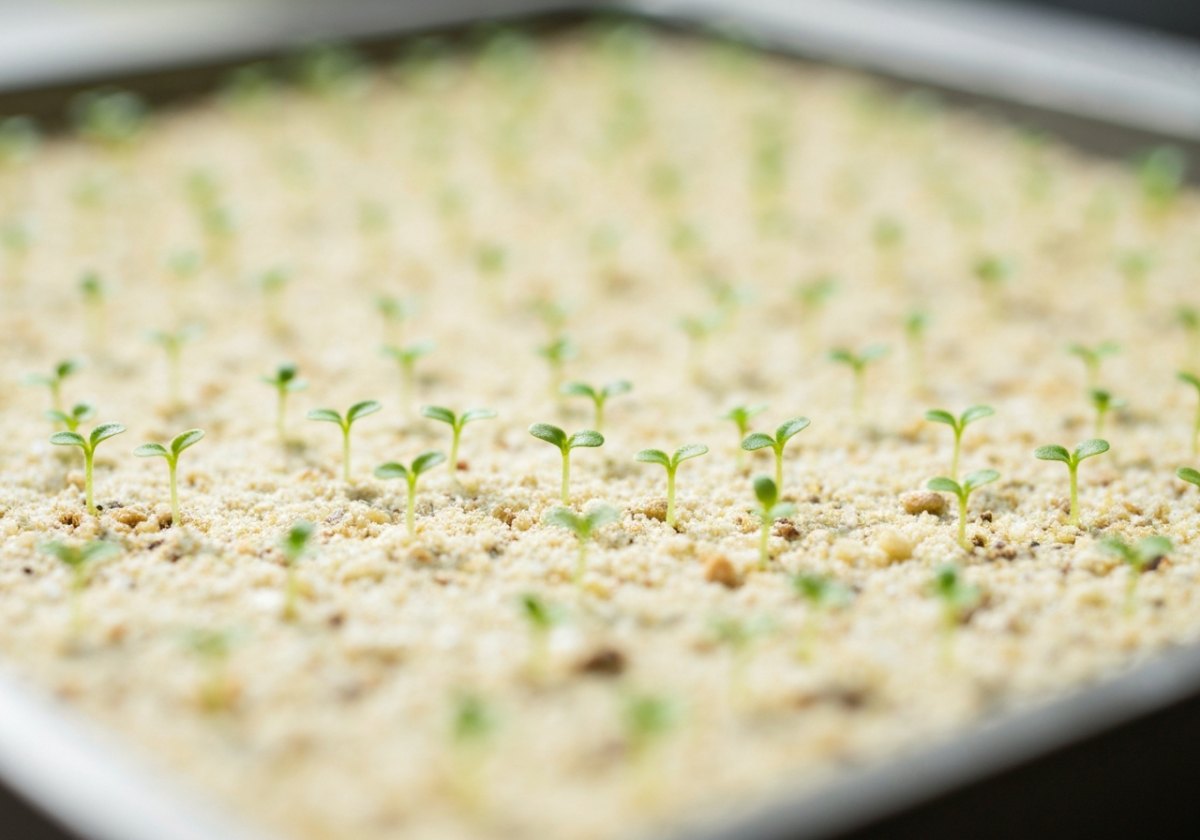
There is no single perfect substrate, only the right characteristics for a given seed under your conditions. Learn to read a mix with your hands and eyes — does it drain freely, hold moisture without going soggy, and crumble rather than clump? Master those three properties, keep everything clean, and you give each rare seed the fair, healthy start it deserves. In the next chapter we build on this by exploring how moisture and oxygen actually move through the substrate you have chosen.