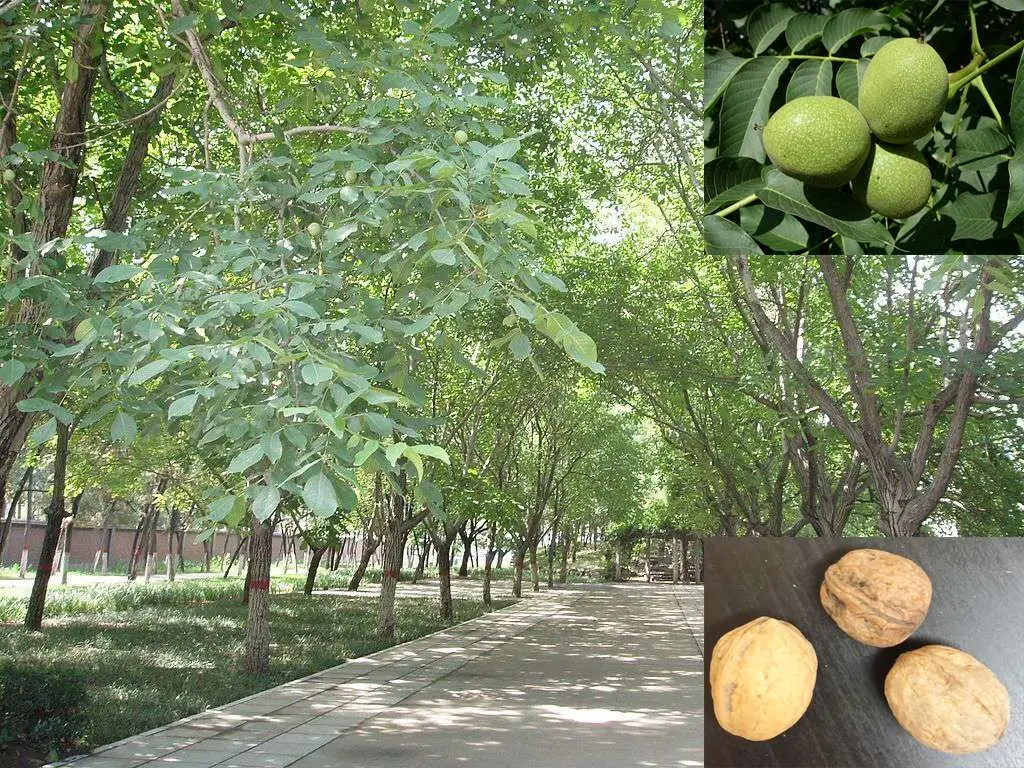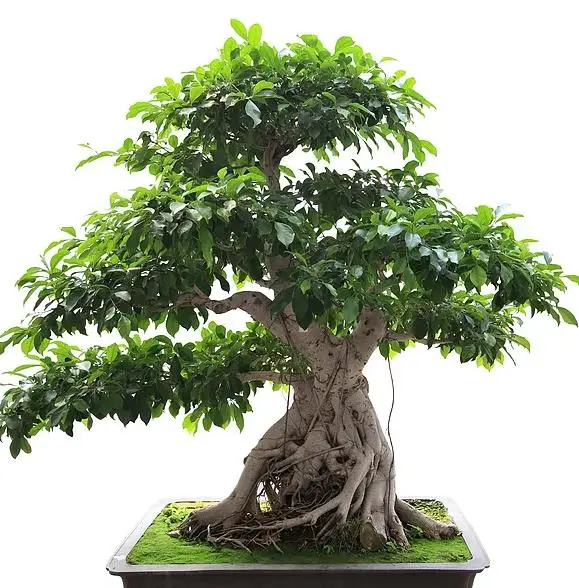
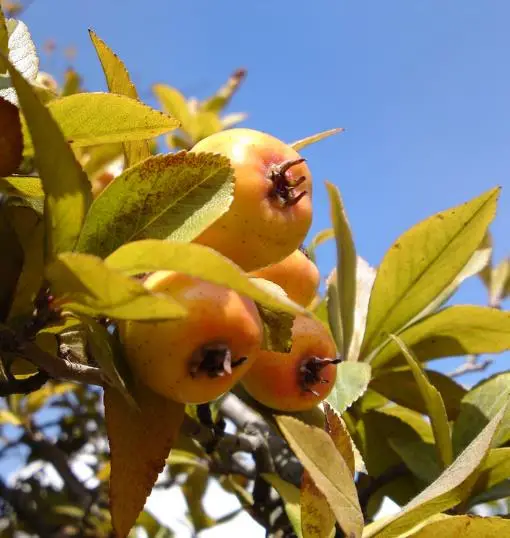

Ziziphus jujuba, commonly known as jujube or Chinese date, is an ancient deciduous fruit tree native to temperate Asia and cultivated for over 4000 years, primarily in China. The species has hard, dormant seeds with thick woody endocarp that require pre-treatment including scarification and cold stratification to achieve reliable germination. When successfully germinated and grown, the tree produces small oval fruits that taste crisp and apple-like when fresh, developing a date-like texture and sweetness as they dry.
Before sowing
Seeds have hard, thick woody endocarp that requires pre-treatment to break dormancy; scarification combined with cold stratification drastically improves germination rates and reduces sprouting time from months to weeks
Sowing
What to expect
Tips
Remove seed hulls carefully to expose inner seed; combine hot water soaking (24-48 hours) with cold stratification (60 days at 4°C) for best results. After stratification, sow seeds ¼-½ inch deep in well-draining soil and maintain warm temperatures (70-85°F/21-29°C) with consistent moisture. Dehulled or scarified seeds germinate much faster than untreated seeds, achieving 50-63% germination rates compared to only 3% for controls. Be patient as germination can take 2-8 weeks; avoid overwatering to prevent damping-off fungus. Note that seeds may require warm stratification after cold stratification, potentially delaying germination by up to one year in some cases.
Sources: ISHS (Gozlekci et al. 2019) - scientific study on jujube seed pre-treatments; Sheffield's Seed Company; Missouri Botanical Garden; NC State Extension; Grow Organic; Huddersfield DAF; Live to Plant; Plant World Seeds