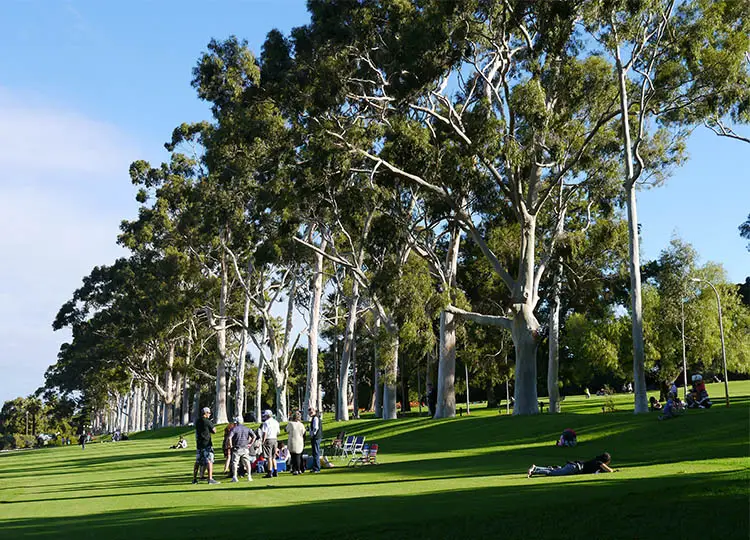
Thuja occidentalis, commonly known as Northern White Cedar or American Arborvitae, is a hardy evergreen conifer native to eastern North America, typically found in cool, moist forests and lake shores. This ornamental tree requires cold stratification to break dormancy, making seed propagation moderately challenging but rewarding. Its seeds germinate readily once stratification is properly completed, requiring light and alternating temperatures for optimal success.
Before sowing
Cold stratification at 4°C for 8-10 weeks is essential to break dormancy. Seeds may begin germinating during cold stratification; sow immediately if this occurs.
Sowing
What to expect
Tips
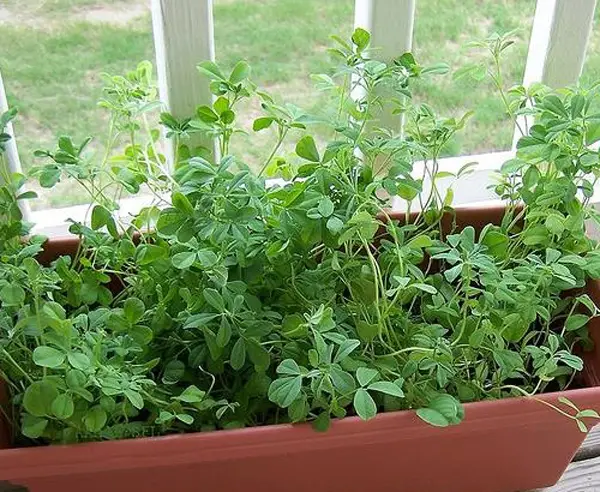
Always soak seeds for 24 hours in room temperature water before stratification. During cold stratification, maintain proper moisture without waterlogging to prevent pre-treatment failure. After stratification, sow seeds on soil surface, tamp gently, and cover with thin vermiculite layer. Keep substrate consistently moist. Seeds require light to germinate, so provide bright indirect light. Alternating 30°C day and 20°C night temperatures optimize germination. Space seedlings appropriately to prevent damping-off fungal disease. Germination typically occurs within 15-30 days. Once seedlings emerge, gradually increase light exposure and air circulation. Maintain neutral to slightly acidic soil pH (6.6-7.2) for optimal establishment.
Sources: UF/IFAS Landscape Plant Propagation Database, USDA Forest Service Silvics, TreeSeedOnline.com, Sheffield's Seed Company, Buy Tree Seeds, and research publications on Thuja occidentalis seed germination