
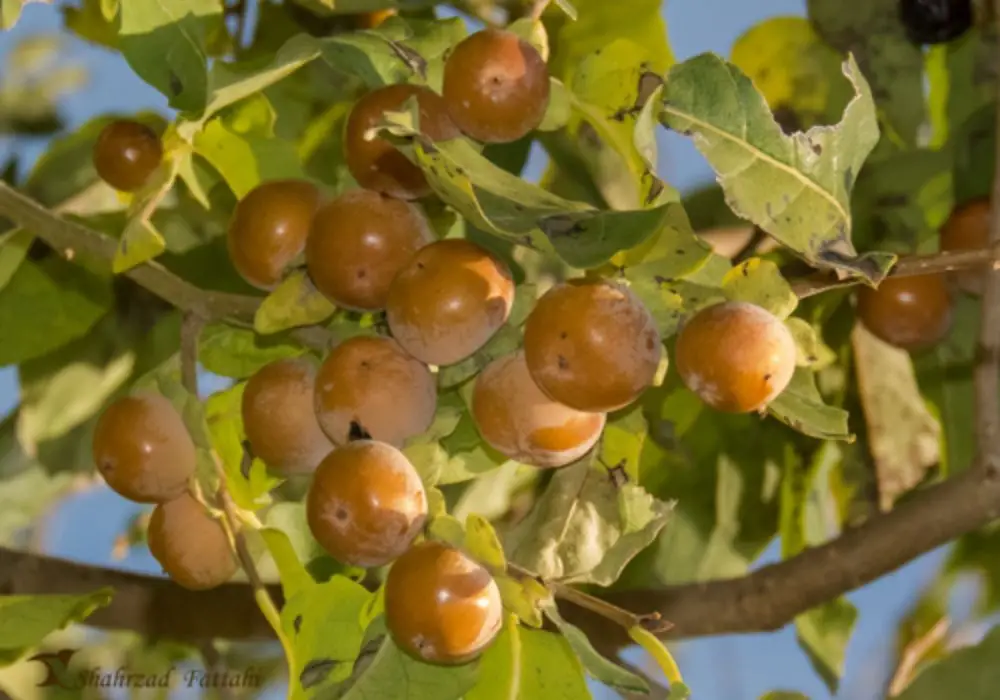
Tamarindus indica, commonly known as tamarind, is a leguminous tropical tree native to Africa and widely cultivated for its sweet-sour edible pulp. Tamarind seeds possess a hard, impermeable coat that requires pre-treatment such as mechanical scarification or hot water soaking to overcome dormancy. With proper pre-treatment and warm conditions, seeds germinate reliably within 1-3 weeks, making commercial cultivation feasible.
Before sowing
Tamarind seeds have hard coats that require pre-treatment to ensure rapid and uniform germination. Mechanical scarification with 24-hour water imbibition achieves 87.5% germination rates. Hot water treatment (30 seconds in boiling water, then 24-hour soak) is also effective. Without pre-treatment, germination can take months.
Sowing
What to expect
Tips
Maintain soil moisture consistency—moist but never waterlogged, as excess water promotes fungal diseases and seed rot. Provide bright, indirect light after germination appears; direct sunlight can scorch young seedlings. Use a heat mat set to 25-30°C for optimal results. Cover the container with clear plastic to maintain humidity, but ventilate daily to prevent mold. Once seedlings reach 15-20 cm tall, transplant into larger containers. Young tamarind trees are frost-sensitive; protect from temperatures below 10°C. Seedlings are ready for permanent planting after 6-12 months when they develop 4-6 true leaves and reach 15-20 cm height.
Sources: Hindawi International Journal of Forestry Research (2015), Gardenisto, eHow, Greg.app, Everglades Farm, peer-reviewed studies on tamarind germination treatments