
Fresh seeds to sow

Free shipping on orders over €30Up to 30% off all purchasesFree shipping on orders over €30Up to 30% off all purchases
How to GerminateSenna alata

Senna alata

Candle Bush
Native · Tropical Americas (Mexico to Paraguay)
Difficulty
facil
Temperature
30°C ideal
Germination
7–14days
after pre-treatment
Success rate
~94%
Light
indiferente
Sow depth
0_5cm

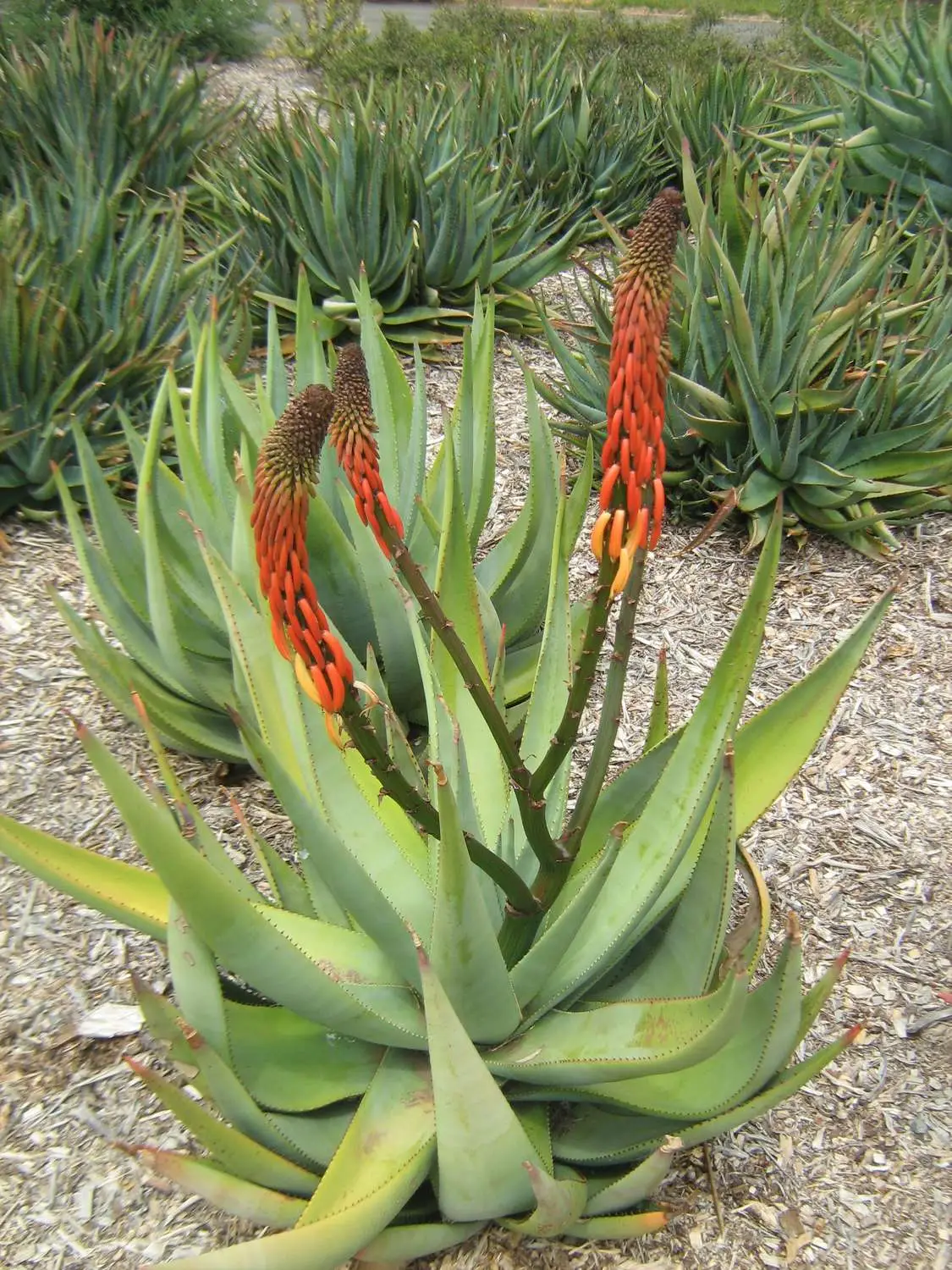
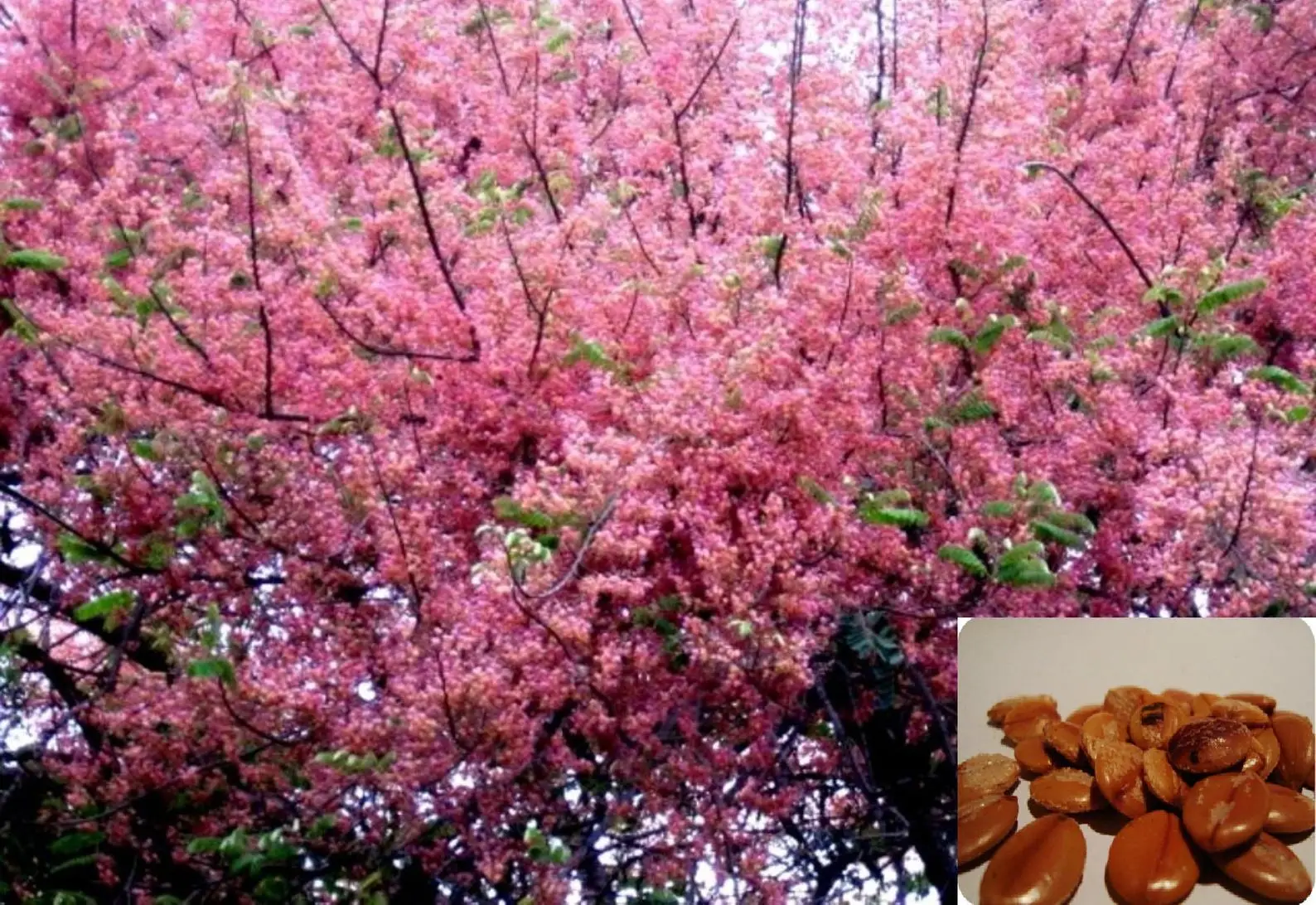
Senna alata, commonly known as Candle Bush or Ringworm Bush, is a fast-growing tropical shrub native to Central and South America. The species possesses a hard seed coat causing physical dormancy; however, with appropriate scarification and imbibition treatments, it germinates readily and consistently, making it moderately easy to propagate from seed.

Before sowing

Scarification
mecanica Lightly nick or sand the seed coat with sandpaper or a knife. For superior results, chemical scarification with sulfuric acid (100% H2SO4 for 4-6 minutes) achieves 100% germination.
Soak
24 h Soak scarified seeds in clean water for 12-24 hours at 20-30°C. Seeds that swell are ready for sowing. Can also use hot water soak (approximately 75°C for 10 minutes followed by overnight soaking).

Scarification is essential for overcoming seed coat dormancy. Both mechanical and hot water treatments are effective. For maximum germination rates (94-100%), mechanical or chemical scarification strongly recommended.

Sowing

Substrate
Well-draining mix: 50% coco coir or peat combined with 50% perlite, coarse sand, or loamy soil. pH 5.5-7.5
Depth
0_5cm
Temperature
30°C
Moisture
media
Container
Seed trays or small pots with drainage holes

What to expect

Step 1
Pre-treat the seed
Step 2
Sow at 0_5cm · 30°C
Day 7–14
Seedlings emerge (~94%)

Tips

Ensure good air circulation during germination to minimize fungal growth. Keep soil moist but not waterlogged. Seedlings develop rapidly and can be transplanted once they have 2-3 true leaves. The species is extremely fast-growing and thrives in warm climates with full sun exposure. Seeds have exceptional viability when properly stored. Remove seedpods before they split to prevent unwanted volunteer seedlings, as this species can self-seed prolifically.

Sources: Kew Royal Botanic Gardens (2016), CABI Compendium, research on Senna alata seed dormancy and germination
You might also like

Free shipping on orders over €30Up to 30% off all purchasesFree shipping on orders over €30Up to 30% off all purchases