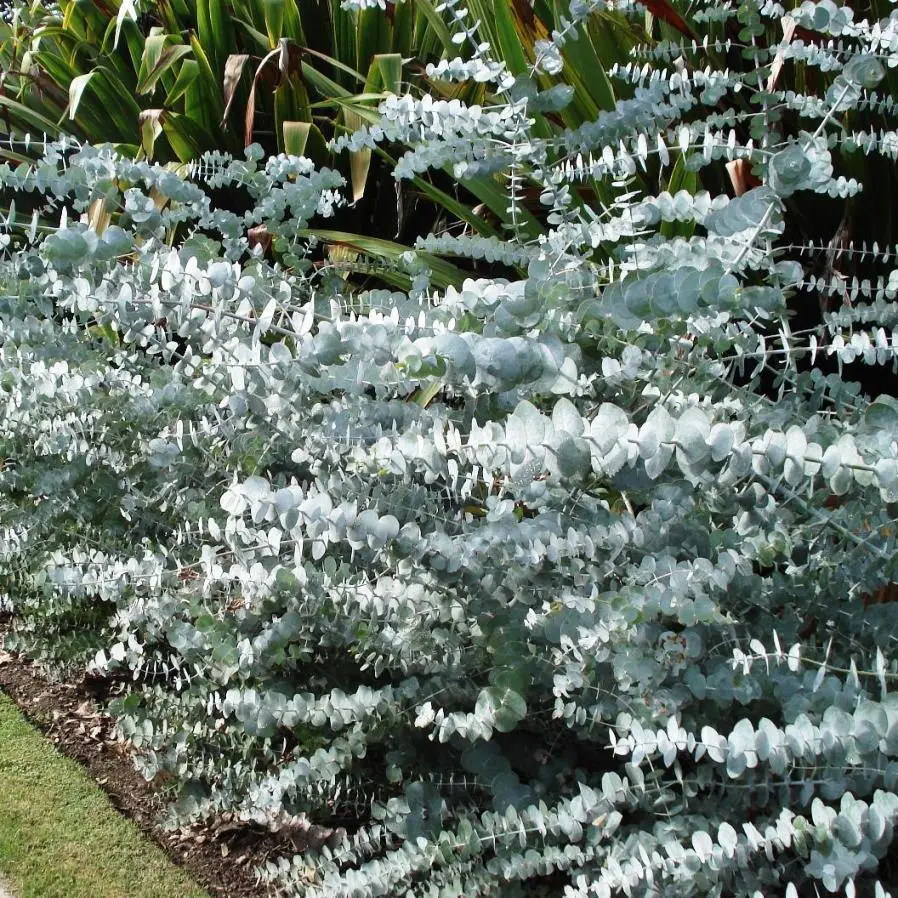
Salvia apiana, commonly known as white sage or sacred sage, is an evergreen perennial shrub native to arid regions of the southwestern United States and northwestern Mexico. It is valued for its distinctive silvery-gray foliage and tall white flower spikes. Germination can be variable due to natural seed dormancy, a survival adaptation of desert plants, but germination rates improve significantly with mechanical scarification, cold stratification, warm temperatures (20-30°C), and light exposure.
Before sowing
Scarification and cold stratification significantly improve germination rates. Seeds benefit from warm temperatures and light exposure during germination
Sowing
What to expect
Tips
Use mechanically scarified seeds for improved germination. Apply 30 days of cold, moist stratification in refrigerator before sowing for spring planting, or sow fall seeds outdoors. Plant seeds at soil surface or 1/8-1/4 inch deep in fast-draining, sandy soil mix. Press seeds firmly into soil and keep consistently moist. Provide bright light and temperatures of 70-85°F (21-29°C). Do not overwater. Expect variable germination over several weeks to months. Some seeds may remain dormant and germinate later. Once seedlings reach 3 inches tall with true leaves, transplant to individual pots. Harden off before outdoor transplanting. Seeds initially respond better to light, so avoid covering completely.
Sources: USDA NRCS Plant Guide, Strictly Medicinal Seeds, Sow Right Seeds, Johnny's Selected Seeds, Eco Seeds, Floral Encounters, Native Plants of North America, Theodore Payne Foundation