
Fresh seeds to sow

Up to 40% off: 20% from €20, 30% from €30, 40% from €40Free shipping on orders over €30Up to 40% off: 20% from €20, 30% from €30, 40% from €40Free shipping on orders over €30
How to Germinate › Robinia pseudoacacia

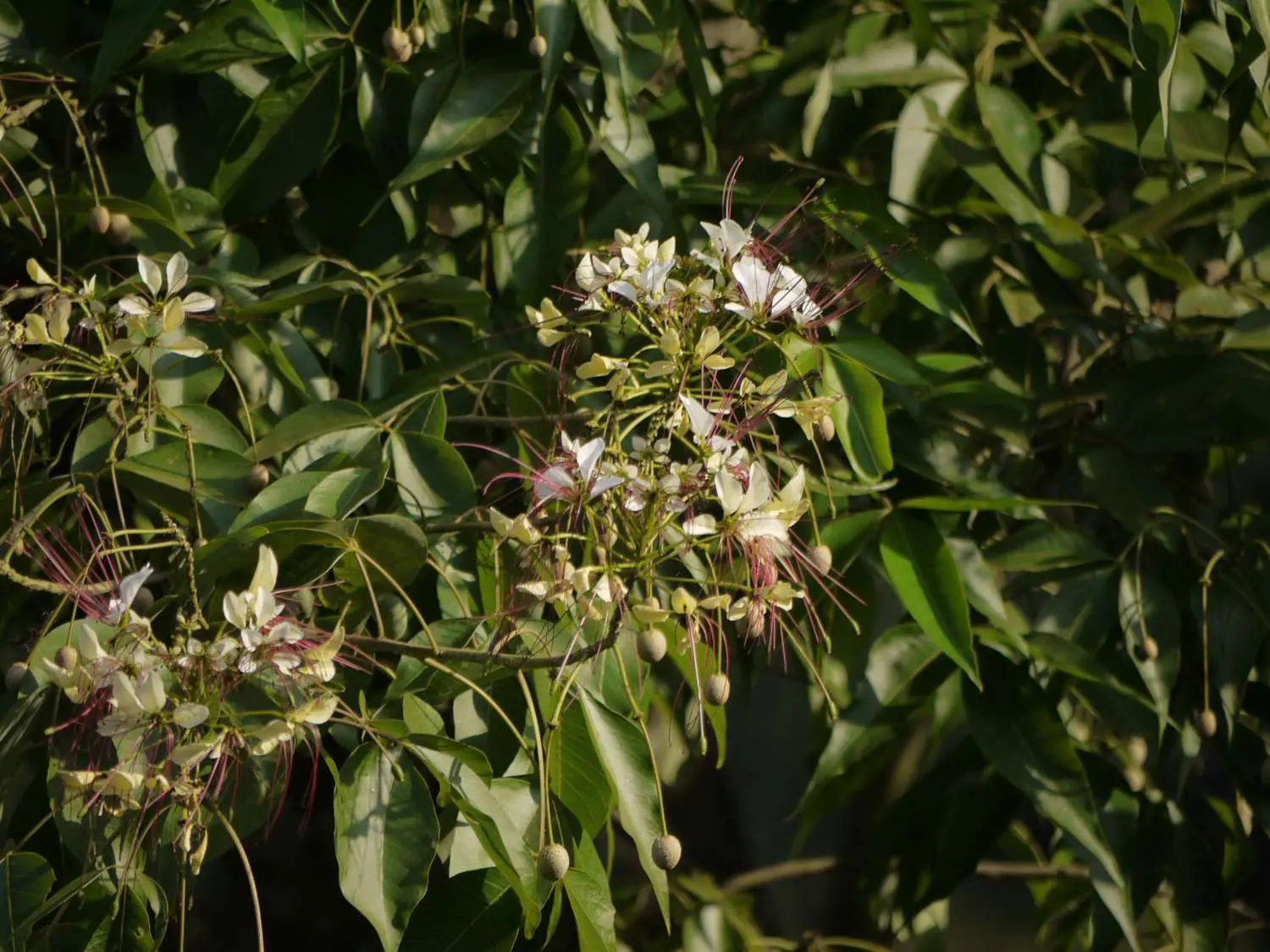
Robinia pseudoacacia

Black Locust
Family · Fabaceae Native · Appalachian Mountains, eastern United States (Pennsylvania to Georgia, westward to Arkansas and Oklahoma) USDA zone · 4-8 ⓘ
Difficulty
Moderate
New Step-by-step guide — follow the complete process, from soaking to transplanting, in simple steps. Open the step-by-step guide →
Temperature
20°C ideal
Germination
10–28days
after pre-treatment
Success rate
~65%
Light
Any
Sow depth
1 cm

Black locust (Robinia pseudoacacia) is a nitrogen-fixing legume native to the Appalachian Mountains of eastern North America. The species has hard seed coat dormancy that requires scarification to break down. With proper pre-treatment using hot water or acid, germination rates can reach 60-65%, making this a moderately difficult species to propagate from seed.

Before sowing

Scarification
Hot water Soak seeds in hot water at 80-100°C for 60 minutes, then allow to cool and stand in water for 24 hours. Seeds should swell after treatment. If seeds do not swell, repeat treatment with slightly hotter water or use sulfuric acid (90 minutes) as alternative.
Stratification
Cold · 14 d · 4°C
Soak
24 h Following hot water scarification, seeds should be soaked for 24 hours in room temperature water. Remove and plant all swollen seeds immediately as they are ready to germinate.

Pre-treatment is essential due to physical hard seed coat dormancy. Hot water treatment (60-90 minutes at 80-100°C) provides superior results (63.75% germination) compared to sulfuric acid treatment. Best results achieved with initial scarification followed by cool stratification.

Sowing

Substrate
Well-draining seed compost or fine sterile seeding mix
Depth
1 cm
Temperature
20°C
Moisture
Medium
Container
Individual pots or seed trays with drainage holes
Day/night swing
Cold stratification (4°C for 1-2 weeks) followed by warm germination temperature (15-25°C) improves germination rates. Temperature fluctuations can enhance germination capacity.

What to expect

Step 1
Pre-treat the seed
Step 2
Sow at 1 cm · 20°C
Day 10–28
Seedlings emerge (~65%)

Tips

Combine hot water scarification (60-90 minutes at 80°C) with cool stratification for best results. Remove and plant all visibly swollen seeds immediately after soaking. Keep substrate moist but not waterlogged during germination. Germination can be slow and variable, taking 2-4 weeks. Provide light once seedlings emerge. Maintain temperatures between 15-25°C, avoiding excessive heat which reduces germination. Inoculate with nitrogen-fixing rhizobium bacteria and mycorrhizal fungi to enhance early seedling growth.

Sources

USDA Forest Service, University of Florida IFAS, Journal of Duhok University, Springer Forest Research, multiple peer-reviewed germination studies
CM
Caio Molon Nogueira
Especialista em espécies exóticas · Quinta dos Ouriques

You might also like

Up to 40% off: 20% from €20, 30% from €30, 40% from €40Free shipping on orders over €30Up to 40% off: 20% from €20, 30% from €30, 40% from €40Free shipping on orders over €30