Fresh seeds to sow

Up to 40% off: 20% from €20, 30% from €30, 40% from €40Free shipping on orders over €30Up to 40% off: 20% from €20, 30% from €30, 40% from €40Free shipping on orders over €30
How to Germinate › Rhus typhina

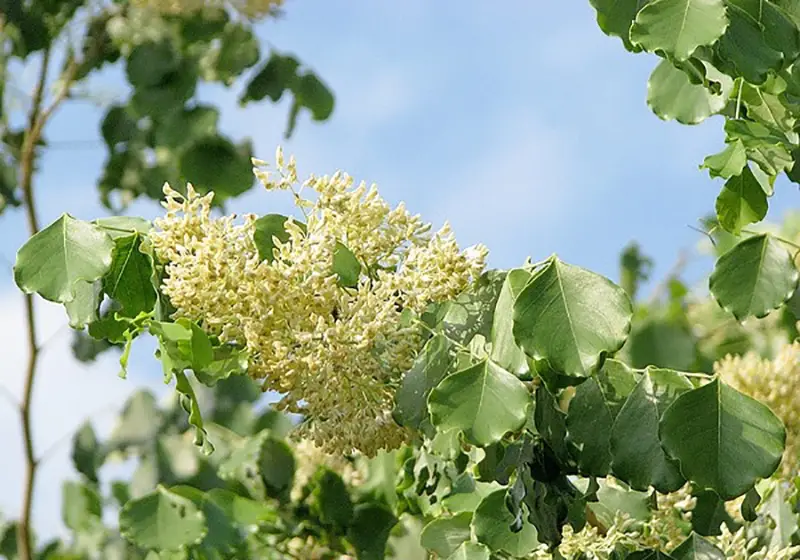
Rhus typhina

Staghorn Sumac
Family · Anacardiaceae Native · Eastern Canada to North Central and Eastern USA, from Quebec and Ontario to Georgia, Indiana, and Iowa USDA zone · 3-8 ⓘ
Difficulty
Moderate
New Step-by-step guide — follow the complete process, from soaking to transplanting, in simple steps. Open the step-by-step guide →
Temperature
20°C ideal
Germination
21–90days
after pre-treatment
Success rate
~60%
Light
Light
Sow depth
Lightly covered

Rhus typhina, commonly known as staghorn sumac, is a deciduous shrub or small tree native to eastern North America, named for its distinctive velvety branches that resemble deer antlers. The species exhibits physical seed dormancy requiring both hot water scarification and cold stratification to achieve reliable germination; seeds without proper pretreatment may remain dormant for extended periods.

Before sowing

Scarification
Hot water Place seeds in hot tap water (starting near boiling, approximately 80-90°C), allow to cool completely, and soak for 24 hours to remove germination inhibitors. Alternative: light mechanical scarification with sandpaper.
Stratification
Cold · 30 d · 4°C
Soak
24 h Seeds become fully imbibed within 24 hours on moist substrate, reaching moisture content of approximately 70-80% of initial weight.
Smoke / fire
Seeds are somewhat heat-resistant and may be stimulated to germinate by fire. However, extreme heat can kill seeds.

Physical dormancy with hard, impermeable seedcoats. Seeds have natural dormancy requiring scarification or hot water treatment plus cold stratification for best results.

Sowing

Substrate
Moist sand or 50/50 mixture of compost and sharp sand, well-draining substrate
Depth
Lightly covered
Temperature
20°C
Moisture
High
Container
Sealed plastic bag or freezer bag (zip-lock preferred) with slight gap for air exchange, or cold frame

What to expect

Step 1
Pre-treat the seed
Step 2
Sow at Lightly covered · 20°C
Day 21–90
Seedlings emerge (~60%)

Tips

After hot water treatment, drain seeds completely and mix with moist sand or compost in a sealed plastic bag. Stratify in refrigerator at 4°C for approximately 30 days. Do not exceed 25°C during germination or secondary dormancy may be induced. Seeds require light to germinate—provide 8 hours light and 16 hours darkness daily. Once stratification is complete, sow seeds 1/4 inch deep in well-draining substrate and maintain consistent moisture. Expect germination in 3-4 weeks under proper conditions. Alternative: gibberellic acid (GA) treatment at 100 mg/liter can partially substitute for cold stratification.

Sources

USDA Forest Service FEIS, University seed suppliers (Tree Seed Online, Plant Flower Seeds, Incredible Seeds), Cambridge Seed Science Research, horticultural propagation guides
CM
Caio Molon Nogueira
Especialista em espécies exóticas · Quinta dos Ouriques

You might also like

Up to 40% off: 20% from €20, 30% from €30, 40% from €40Free shipping on orders over €30Up to 40% off: 20% from €20, 30% from €30, 40% from €40Free shipping on orders over €30