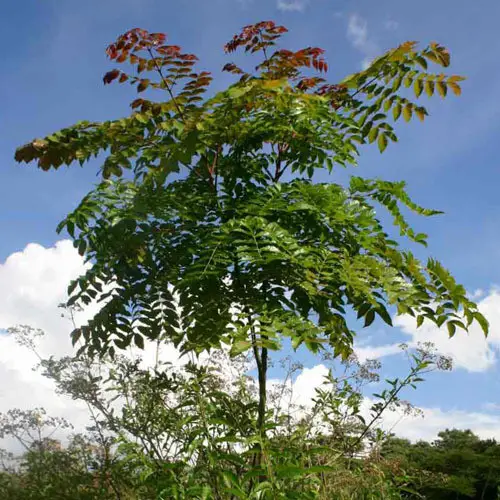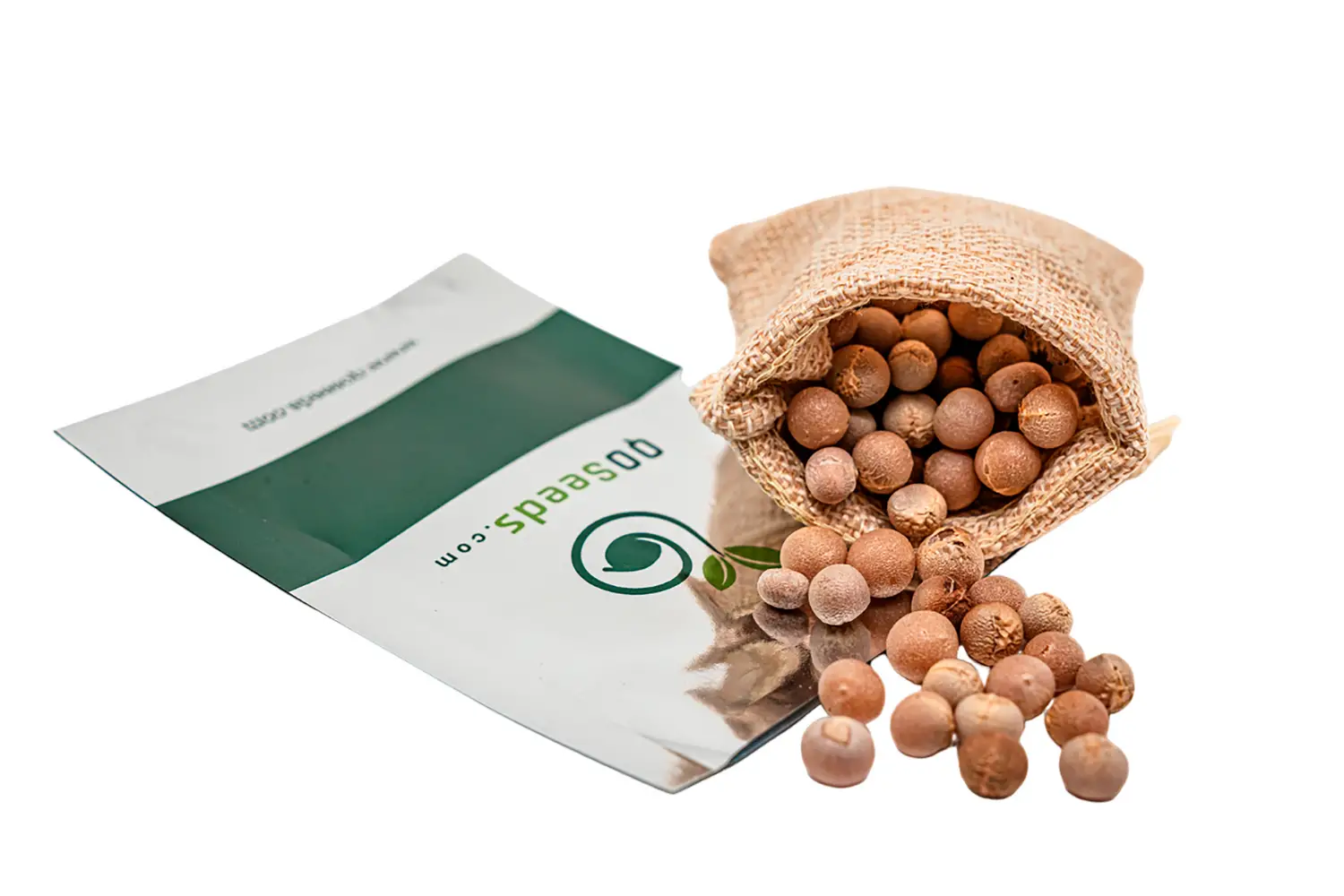
Pseudotsuga menziesii, commonly known as Douglas Fir, is a large evergreen conifer native to western North America and the tallest tree in the Pinaceae family. Seeds require cold stratification of 30-45 days at 3°C following a 24-hour water soak to overcome dormancy and achieve high germination rates of 60-80%. Germination typically occurs within 2-4 weeks under optimal conditions of moderate moisture and warm temperatures.
Before sowing
Cold moist stratification for 30-45 days at 3°C significantly improves germination rates to 60-80%. Imbibition followed by stratification is recommended for best results.
Sowing
What to expect
Tips
For best results, soak seeds in room temperature water for 24 hours, then stratify in moist peat moss or sand at 3°C for 30-45 days. Maintain seed moisture during stratification to prevent premature sprouting or mold. After stratification, sow seeds slightly covered in well-draining compost and keep soil consistently moist but not waterlogged. Provide bright, filtered light and maintain daytime temperatures of 18-24°C. Seedlings benefit from partial shade to prevent damping-off disease. Direct outdoor sowing in autumn, allowing natural stratification over winter, is an effective alternative to indoor cold stratification.
Sources: Forest Research UK; University of Washington Propagation Protocol; USDA Forest Service; Forest Start; Evergreen Seed Co.