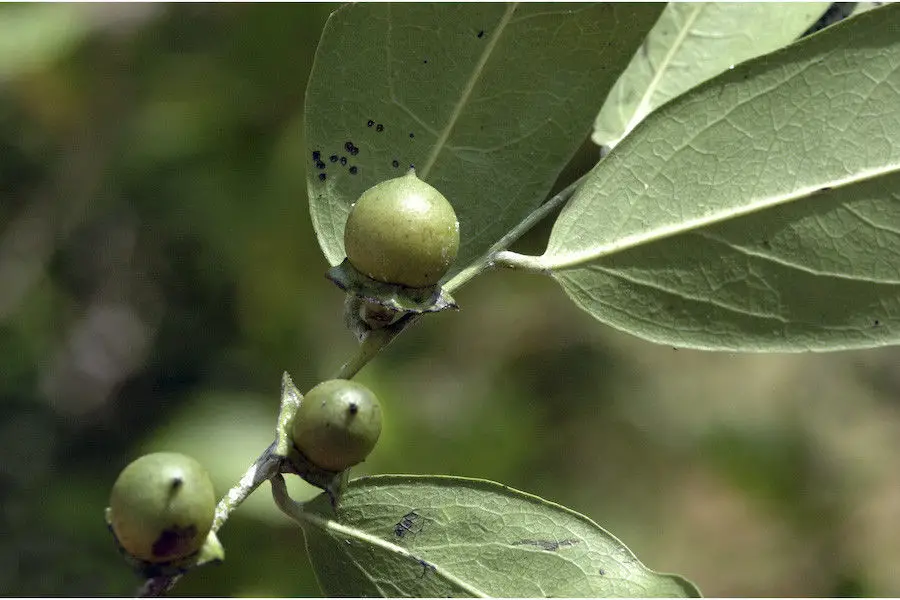


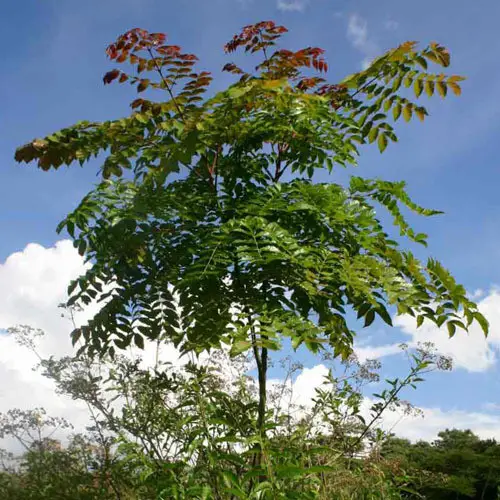
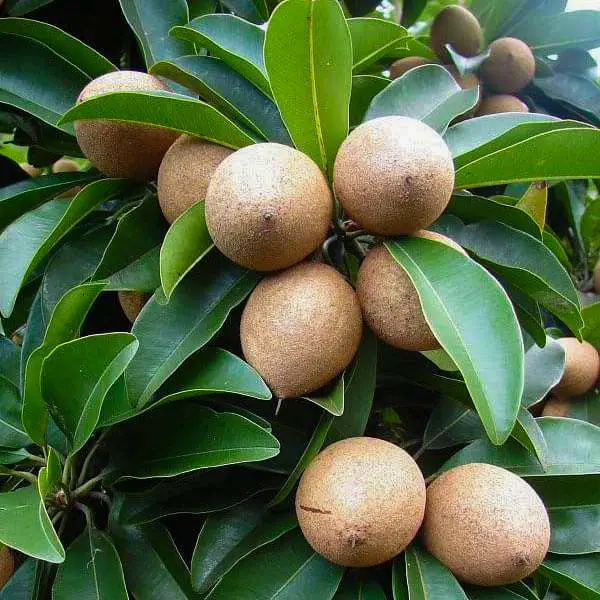
Phyllanthus emblica, commonly known as Indian Gooseberry or Amla, is a deciduous tropical tree native to Southeast Asia renowned for its vitamin C-rich fruits and medicinal properties. The species exhibits natural seed dormancy requiring scarification and gibberellic acid treatment for reliable germination. Seeds typically germinate within 2-6 weeks under warm, consistently moist conditions between 25-30°C.
Before sowing
Gibberellic acid treatment at 1% concentration significantly improves germination rates. Combination of seed scarification plus gibberellin application yields optimal results with germination rates around 43% after 85 days.
Sowing
What to expect
Tips
Use float test to identify viable seeds before treatment. Keep seeds in warm location with bright, indirect light during germination phase. Maintain consistent moisture but avoid waterlogging. Young seedlings require 4-6 hours of bright light daily initially, then gradually transition to full sun. Use a humidity dome or plastic covering to maintain moisture during early germination. Once seedlings develop 2-3 leaves, begin gradual acclimation to full sun exposure over 6-8 weeks. Transplant seedlings when 6-8 inches tall. Combine mechanical scarification with 1% gibberellic acid solution for maximum germination success. Monitor for damping-off disease by ensuring excellent drainage and air circulation.
Sources: PFAF Plant Database, ResearchGate studies on P. emblica seed dormancy, Plants of the World Online (Kew Science), Tropical Plants Database, horticultural extension guides