
Fresh seeds to sow

Free shipping on orders over €30Up to 30% off all purchasesFree shipping on orders over €30Up to 30% off all purchases
How to GerminatePassiflora Collection - Kit 75 Passionflower Seeds

Passiflora Collection - Kit 75 Passionflower Seeds

Passionflower, Passion vine, Maypop, Passionfruit
Native · South America, primarily Brazil and the Andes region; some species native to North America, Asia, and Australia
Difficulty
moderada
Temperature
24°C ideal
Germination
7–84days
after pre-treatment
Success rate
~60%
Light
indiferente
Sow depth
levemente_coberta

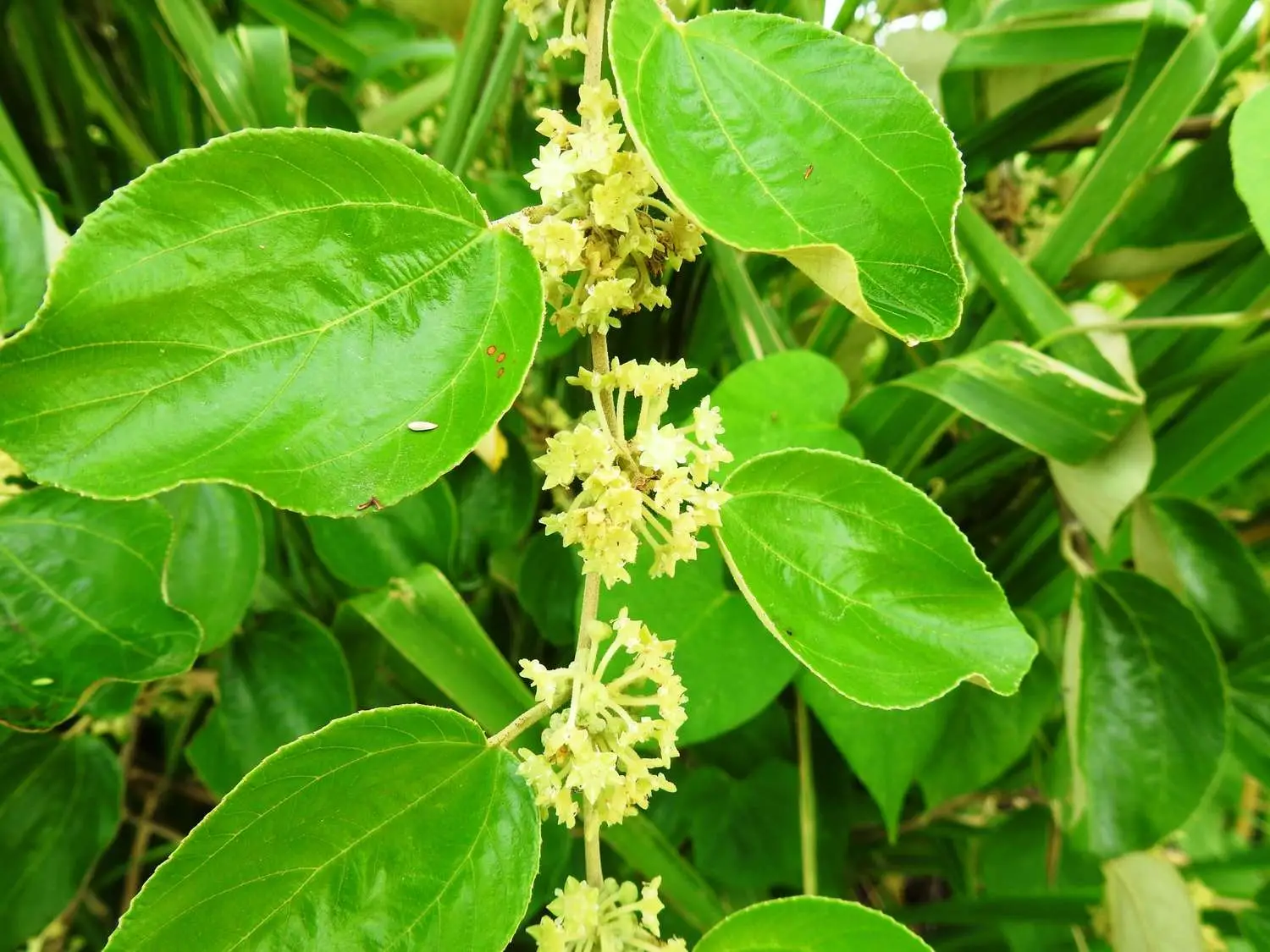
Passiflora is a genus of over 550 species of vigorous tropical and subtropical vines renowned for their intricate, showy flowers and edible fruits. Native primarily to South America, with the highest diversity in the Andes and Brazil, these semi-tropical plants develop complex coronas and produce passion fruits prized for their distinctive flavor. Seed germination is challenging due to dormancy factors and germination-inhibiting compounds in the seed coat, typically requiring scarification and soaking pretreatment to achieve reliable germination.

Before sowing

Scarification
mecanica Light mechanical scarification with sandpaper is recommended, removing only the first layer of the seed coat. Alternatively, lightly nick the seed with a blade. For best results, scarify just before soaking to avoid seed decay.
Stratification
fria · 30 d · 4°C
Soak
24 h Soak seeds in warm water (68-75°F / 20-24°C) for 24 hours to reduce germination time and leach out germination-inhibiting chemicals. Alternatively, soak in passion fruit pulp or citrus juice (orange or lemon) for their natural acidity which facilitates germination. Fresh seeds often germinate better than stored seeds.

Scarification combined with 24-hour warm water soaking is highly recommended. Cold stratification (30 days at 4°C) may also improve germination, particularly for some species. Seed freshness is critical—fresh seeds germinate significantly better than old seeds.

Sowing

Substrate
Light, porous, pathogen-free seed-starting mix such as perlite-peat blend or combination of potting soil and sand. Well-draining substrate essential to prevent rot.
Depth
levemente_coberta
Temperature
24°C
Moisture
alta
Container
Plastic pot or tray with transparent humidity dome or clear plastic lid to maintain high moisture and warm temperatures

What to expect

Step 1
Pre-treat the seed
Step 2
Sow at levemente_coberta · 24°C
Day 7–84
Seedlings emerge (~60%)

Tips

Start seeds indoors 4-6 weeks before the last frost date using bottom heat to maintain soil temperature of 75-85°F (24-29°C). Maintain consistently high substrate moisture but avoid waterlogging. Use a clear humidity dome to preserve moisture and warmth. Seeds may germinate within 7-21 days under optimal conditions, but expect germination to continue for up to 84 days—be patient and check regularly. Fresh, viable seeds are essential for success. Seedlings are sensitive to cold and require warm, sheltered conditions; avoid direct intense sunlight initially. Once established, thin seedlings into individual pots. Provide bright indirect light after germination. Water regularly during the growing season, reducing frequency in winter. The young plants will appreciate warm greenhouse conditions and may not flower until the second year. Ensure good air circulation to prevent fungal issues.

Sources: Sow Right Seeds, Eden Brothers, University of Florida IFAS Extension, Research articles from Frontiers in Plant Science, MDPI Agriculture journal
You might also like

Free shipping on orders over €30Up to 30% off all purchasesFree shipping on orders over €30Up to 30% off all purchases