Fresh seeds to sow

Free shipping on orders over €30Up to 30% off all purchasesFree shipping on orders over €30Up to 30% off all purchases
How to GerminateMusa velutina

Musa velutina

Pink Banana, Hairy Banana, Pink Velvet Banana
Native · Eastern Himalayas (Assam and Northeast India, Bangladesh)
Difficulty
dificil
Temperature
25°C ideal
Germination
14–365days
after pre-treatment
Success rate
~78%
Light
luz
Sow depth
levemente_coberta

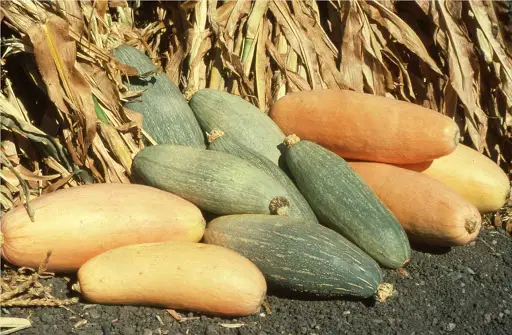
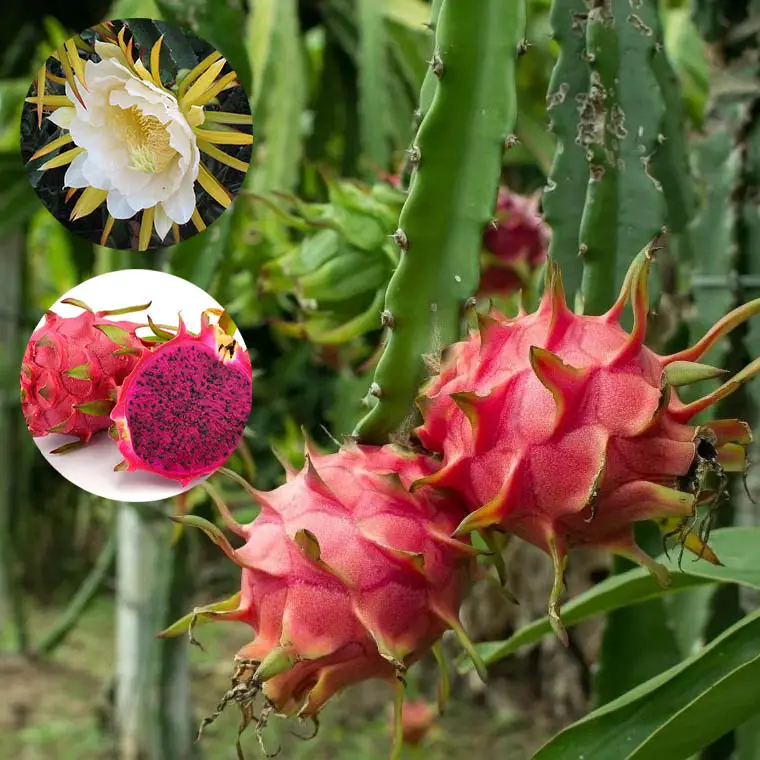
Musa velutina, the Pink Banana, is a compact ornamental species native to the eastern Himalayas (Assam, Northeast India) and Bangladesh. Known for its distinctive fuzzy pink, self-peeling fruits and remarkable cold hardiness, this dwarf banana (1.2-2.4 m tall) produces showy pink flowers and is surprisingly cold-tolerant for a tropical fruit. Seed germination is notoriously erratic and difficult without proper pre-treatment, typically requiring scarification, warm soaking, and warm temperatures with daily temperature fluctuation to achieve success.

Before sowing

Scarification
mecanica Mechanically scarify a small portion of seed with sandpaper or rough brick. Chemical scarification with concentrated sulfuric acid (40-50 minutes) is most effective scientifically but less practical for home use.
Soak
24 h Soak scarified seeds in lukewarm water (25-30°C) for 24-48 hours before sowing. This softens the seed coat and promotes water uptake critical for germination initiation.

Mechanical or chemical scarification is essential. Gibberellic acid (GA3) at 10 mg/L applied to scarified seeds produces 100% germination within 14 days, but without treatment, seeds germinate erratically.

Sowing

Substrate
Fine peat-based compost, vermiculite, or loamy compost with excellent drainage. Avoid waterlogged conditions to prevent seed rot.
Depth
levemente_coberta
Temperature
25°C
Moisture
media
Container
Transparent plastic ziplock bag or small propagation container covered with transparent plastic to maintain humidity. Ensure good ventilation to prevent fungal issues.
Day/night swing
Temperature fluctuation improves germination. Daytime 25-30°C for 16 hours; nighttime 20-25°C for 8 hours. Some sources recommend constant 25°C as optimal alternative.

What to expect

Step 1
Pre-treat the seed
Step 2
Sow at levemente_coberta · 25°C
Day 14–365
Seedlings emerge (~78%)

Tips

Scarify seeds mechanically or with sulfuric acid to break the hard seed coat. Soak scarified seeds 24-48 hours in warm water (25-30°C) before sowing. Use peat-based compost or vermiculite at 75% moisture content, sowing 1.25 cm deep. Maintain daytime temperatures of 25-30°C with cooler nights (20-25°C) or constant 25°C; temperature fluctuation improves results. Do not exclude light. Germination is highly variable (2-12 months, sometimes longer); monitor weekly for white root formation and do not discard pots prematurely. Fresh seed (harvested recently) germinates much better than old seed. Gibberellic acid (GA3) treatment at 10 mg/L dramatically improves success. Once germinated, pot seedlings individually in well-drained substrate with bright indirect light, maintaining consistent moisture and feeding monthly during growth.

Sources: Plant World Seeds, VIRIAR, Wikipedia, Gardenia.net, Chiltern Seeds, scientific research on Musa velutina germination

You might also like

Free shipping on orders over €30Up to 30% off all purchasesFree shipping on orders over €30Up to 30% off all purchases