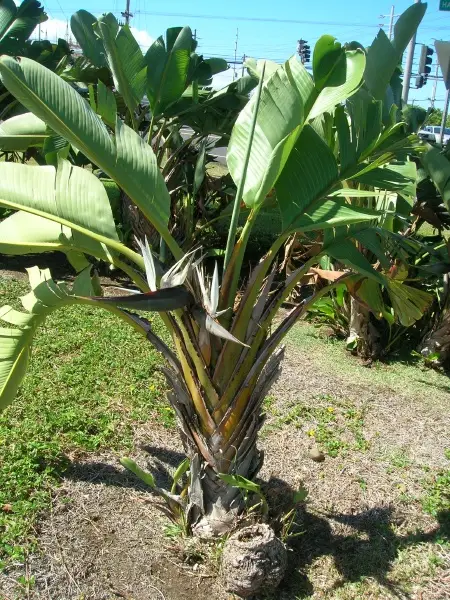
Musa superba, commonly known as wild banana, is native to India and belongs to the genus Musa in the family Musaceae. It is an important wild relative with ethnomedicinal and nutritional value. Seed germination is slow and erratic, requiring warm, humid conditions and patience, with germination typically occurring between 3-6 months.
Before sowing
Pretreatment with 0.1% KNO3 solution for 24 hours can significantly improve germination rate and seedling vigor
Sowing
What to expect
Tips
Ensure seed freshness for best results. Keep substrate consistently moist but not waterlogged to prevent fungal infection. Monitor weekly for white root formation. Maintain high humidity in sealed container. Once sprouted, improve ventilation gradually to prevent fungal diseases. Germination may be delayed and intermittent. For faster germination (2-3 weeks), consider in vitro embryo culture techniques with gibberellic acid. After germination, pot seedlings individually in well-draining substrate with bright indirect light, avoiding direct sun initially. Fertilize regularly once seedlings establish.
Sources: ScienceDirect (Musa acuminata seed studies), Purdue University Famine Foods Database, Royal Botanic Gardens Kew, Hardy Tropicals forum, scientific literature on Musa genus germination