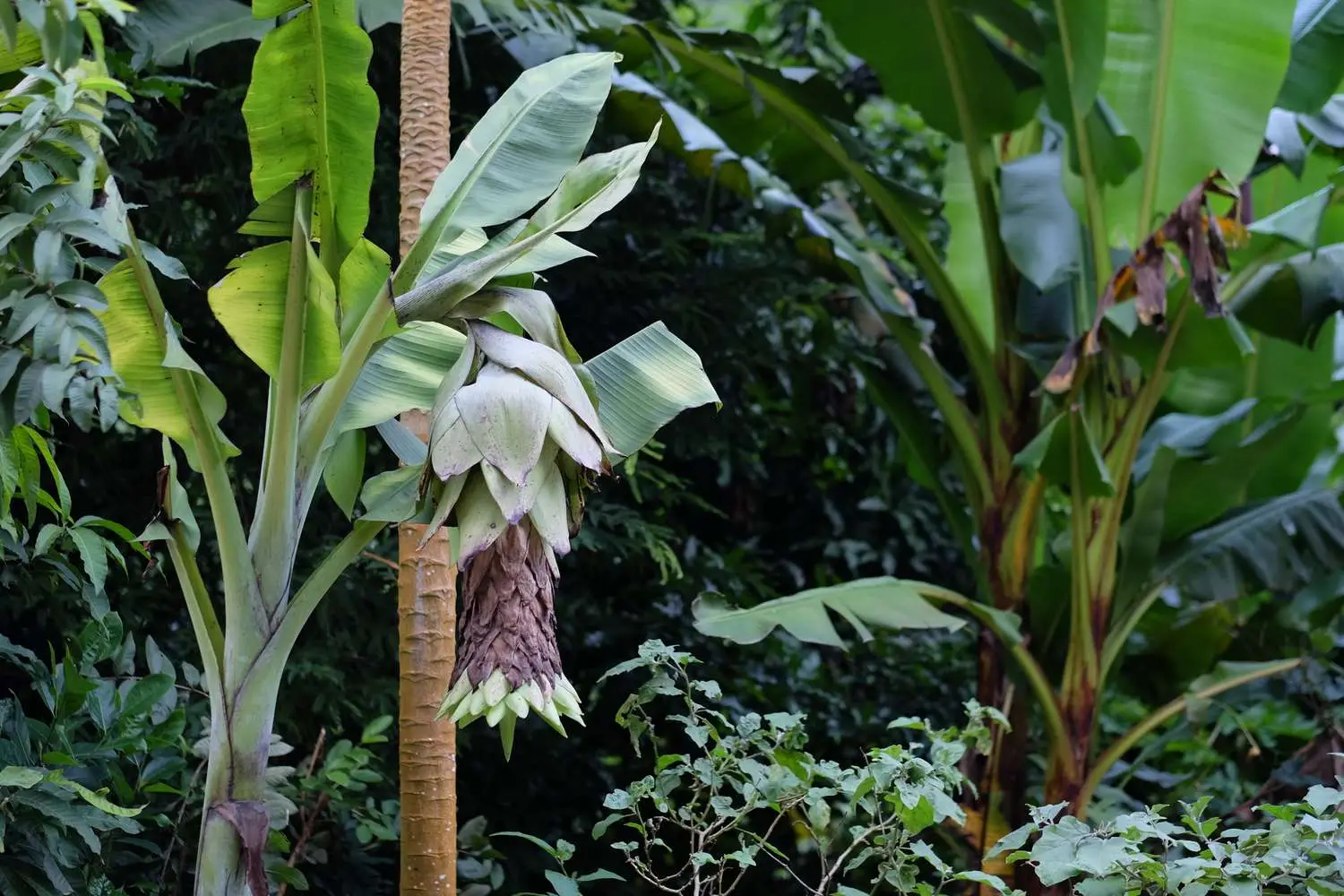
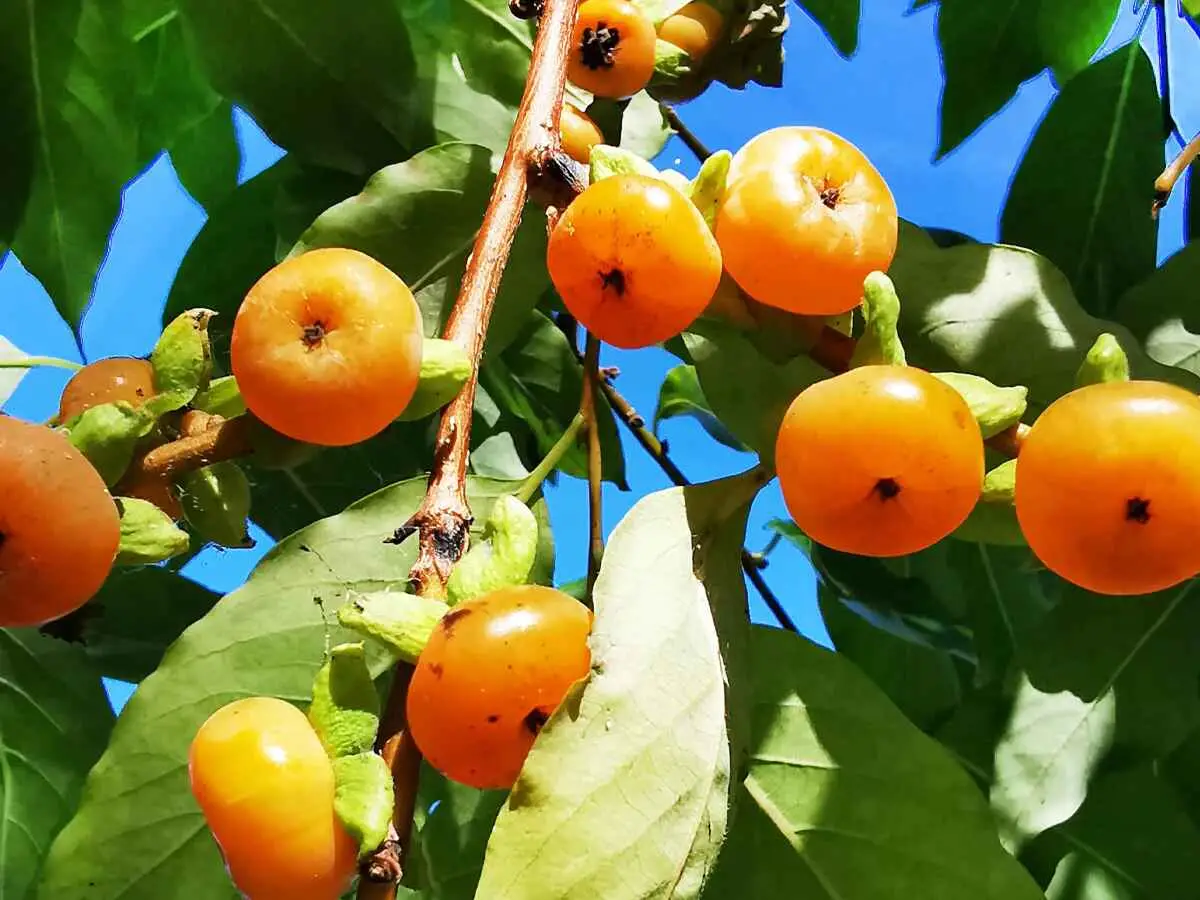
Musa johnsii is a rare wild banana species native to the submontane rainforests of Western New Guinea, characterized by small orange fruits with edible flesh and naturally split skin at maturity. Seeds of this species have moderate germination difficulty and require patience, as germination is typically slow and erratic, taking anywhere from 3 weeks to 6 months depending on seed age and environmental conditions. This ornamental species thrives in warm tropical climates and produces clusters of plants with dark green foliage.
Before sowing
Soak seeds in warm water for 24-48 hours if seeds appear very dry or aged. Fresh seed is critical for successful germination.
Sowing
What to expect
Tips
Use the freshest seeds possible, as seed age is critical for success. Maintain consistent moisture without waterlogging; use well-draining compost. Keep seeds warm (25-30°C) with day/night temperature fluctuation ideally 28-30°C day and 15-20°C night. Place containers in a bright location but away from direct sunlight. Seal tray in clear plastic to maintain humidity. Check weekly for white root development. Germination is slow and erratic - do not discard pots prematurely as seeds may germinate after 3-6 months. Once sprouted, carefully transplant to individual pots with well-draining soil in a warm, bright location. Maintain consistent moisture and begin fertilization after first true leaves appear.
Sources: Wikipedia (Musa johnsii), Plants of the World Online (Kew Science), Rare Palmseeds, Seedman, Hardy Tropicals UK Forum, Cambridge University Press (Seed Science Research), Greg App