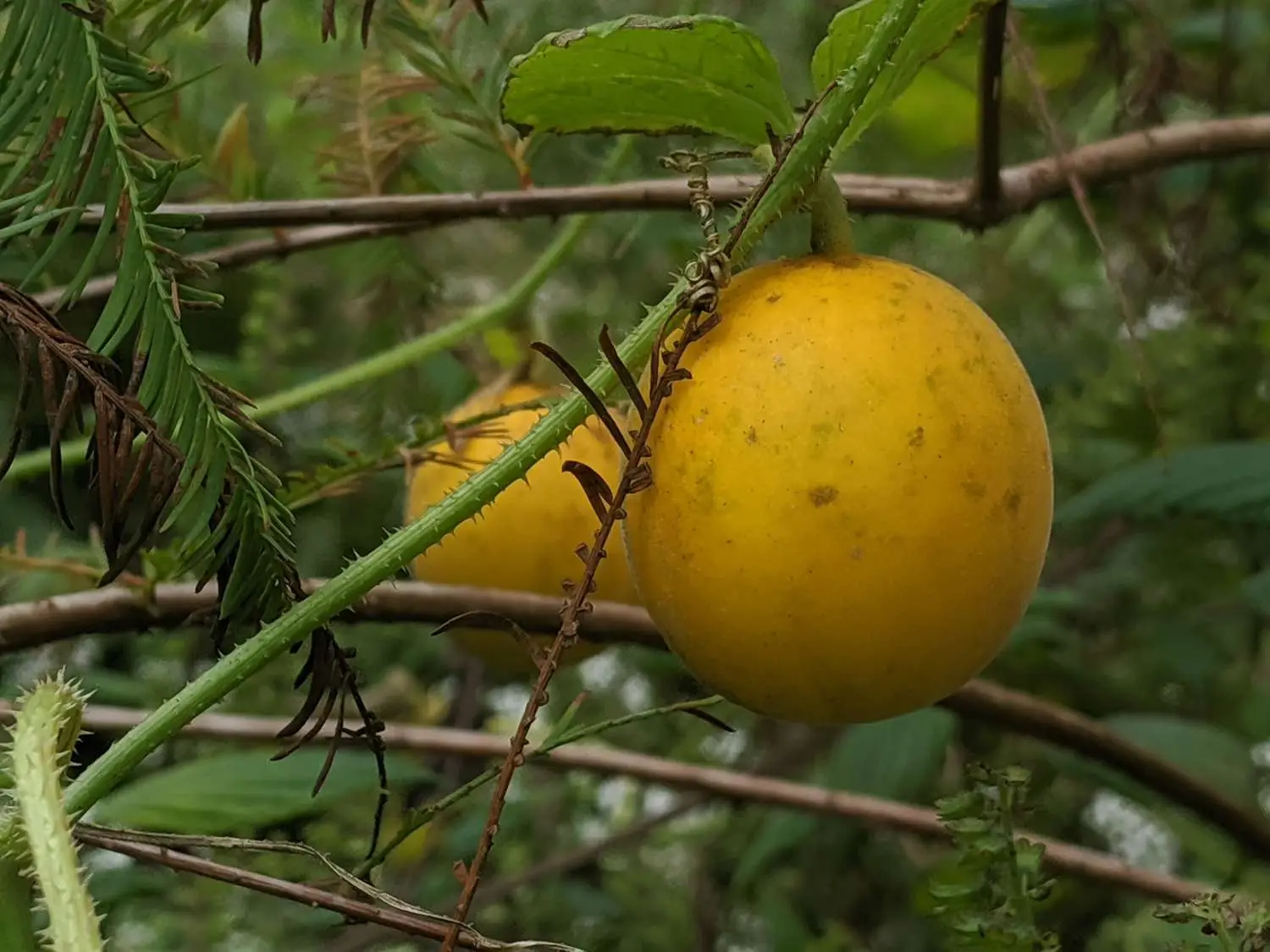
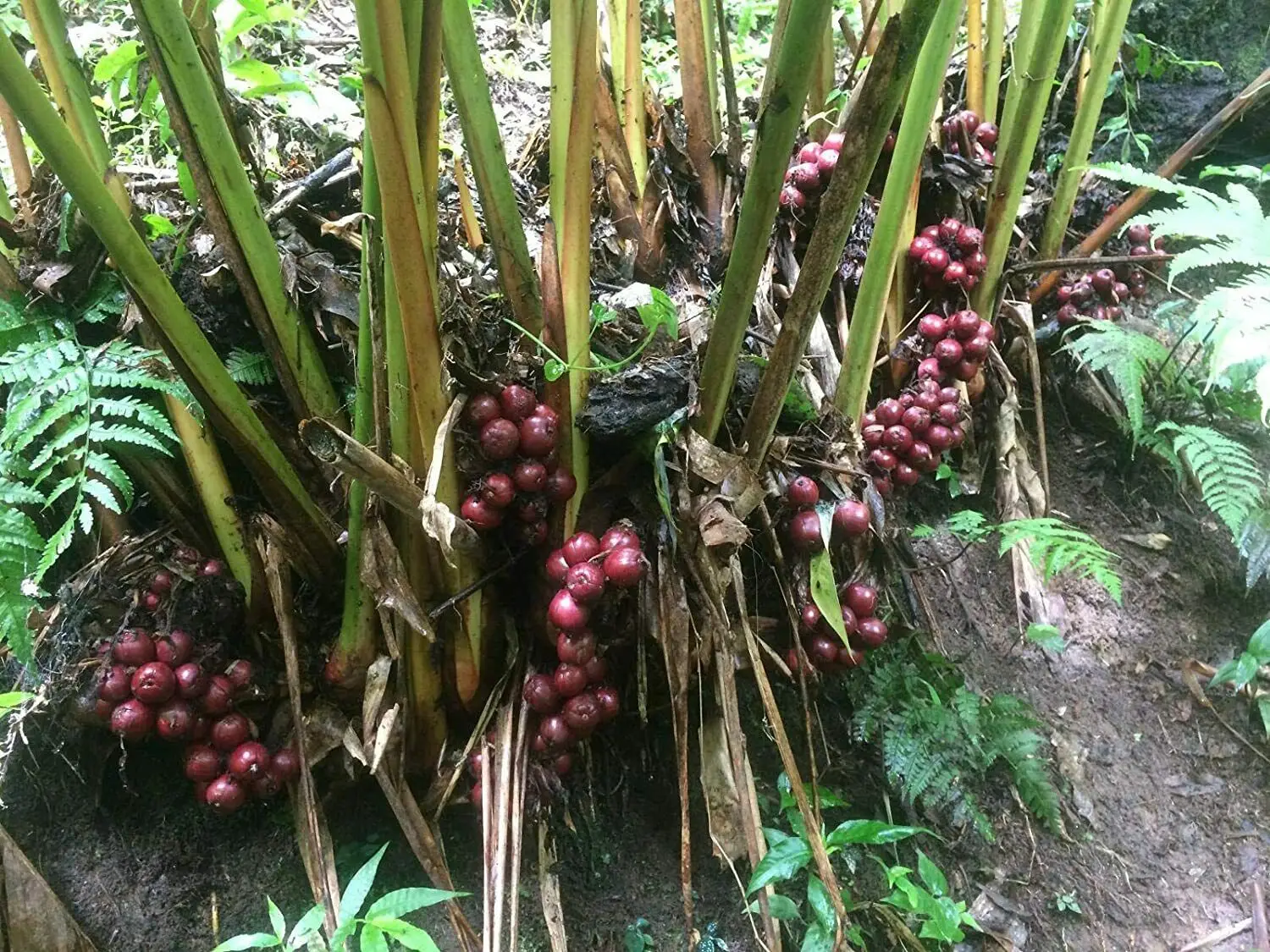
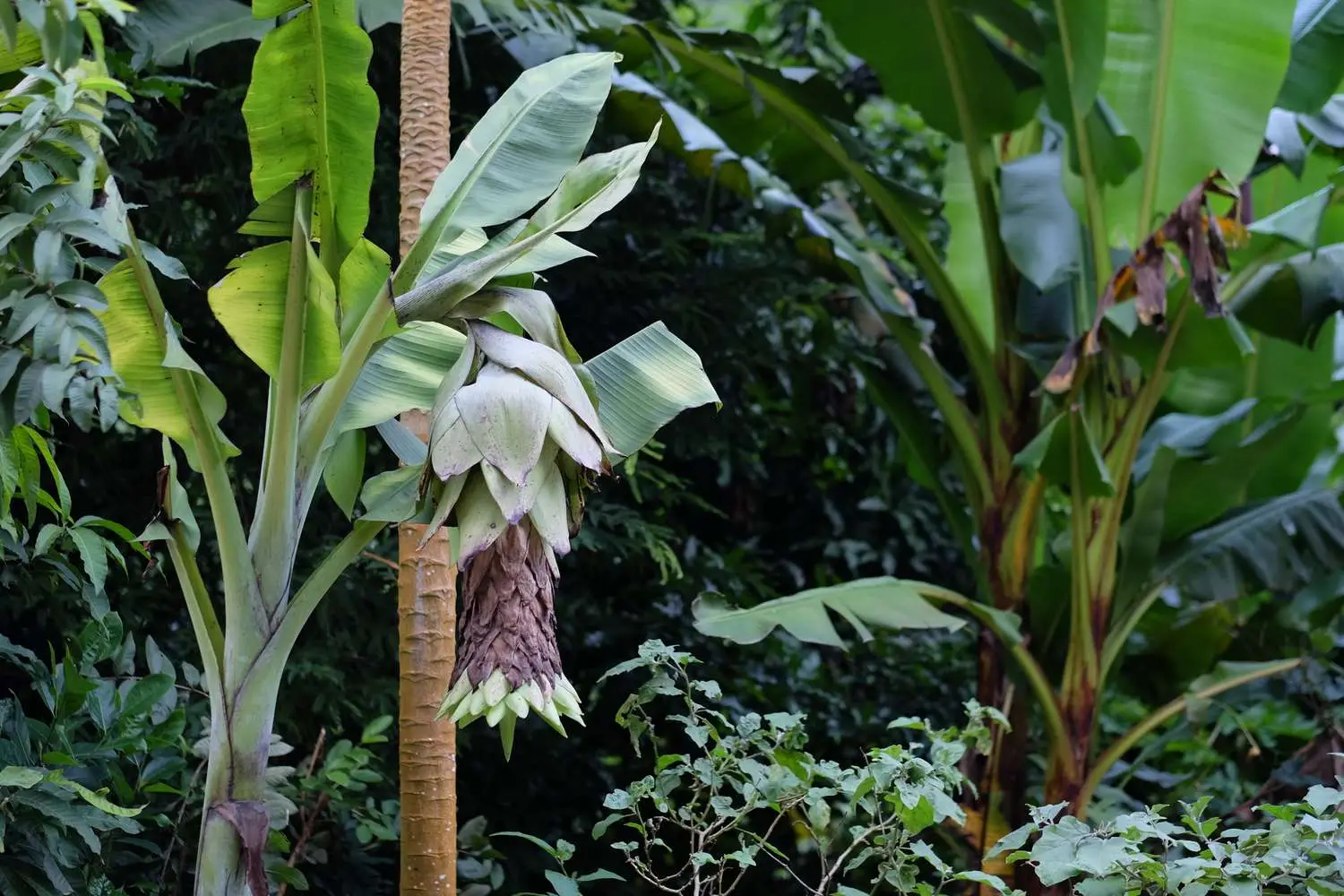
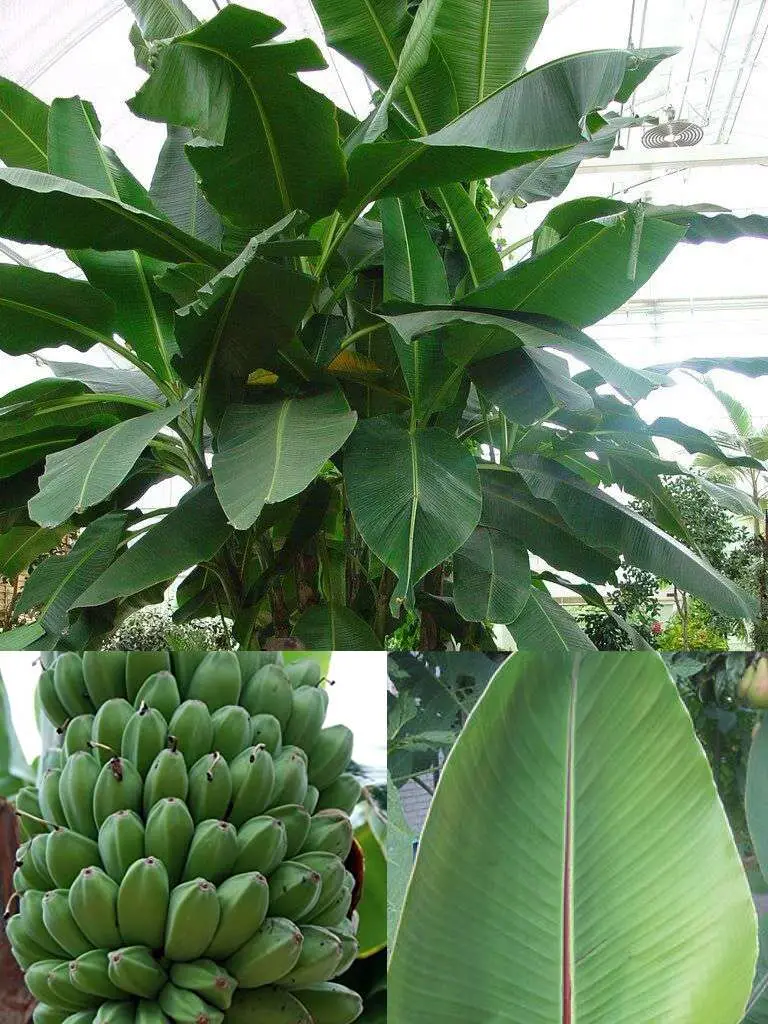
Musa itinerans, commonly known as the Yunnan banana or Burmese blue banana, is a wild banana species native to Southeast Asia with remarkable cold tolerance and ornamental value. This species displays complex seed dormancy requiring both mechanical and chemical scarification combined with warm stratification for successful germination, with germination patterns highly sensitive to temperature fluctuations. Seeds are notably variable in germination timing, ranging from 2 weeks to over 12 months, necessitating patience and consistent care during the critical establishment phase.
Before sowing
Seed coat is hard and impermeable; both mechanical scarification and soaking are essential for successful germination
Sowing
What to expect
Tips
Always use fresh, high-quality seeds from reputable suppliers as older seeds have significantly reduced viability. Combine light scarification of the seed coat with warm water soaking (48 hours) as both treatments are essential. Maintain substrate moisture consistency without waterlogging; a covered propagator maintains ideal humidity. Watch closely for white root emergence which indicates successful germination initiation. Germination is often highly erratic and slow, sometimes taking several months; do not discard seed pots prematurely. Upon emergence, provide bright light but protect seedlings from full intensity sun. Once seedlings develop true leaves, gradually acclimate to outdoor conditions and transplant into individual pots with well-draining, nutrient-rich substrate. Musa itinerans seeds are notably difficult compared to cultivated banana species and benefit from bottom heat (25-30°C) during germination.
Sources: Plant World Seeds; VIRIAR; Kew Royal Botanic Gardens; ProMusa; Cambridge University Press (Seed Science Research); Exotic-plants.de; Plant-world-seeds; Multiple seed supplier databases