
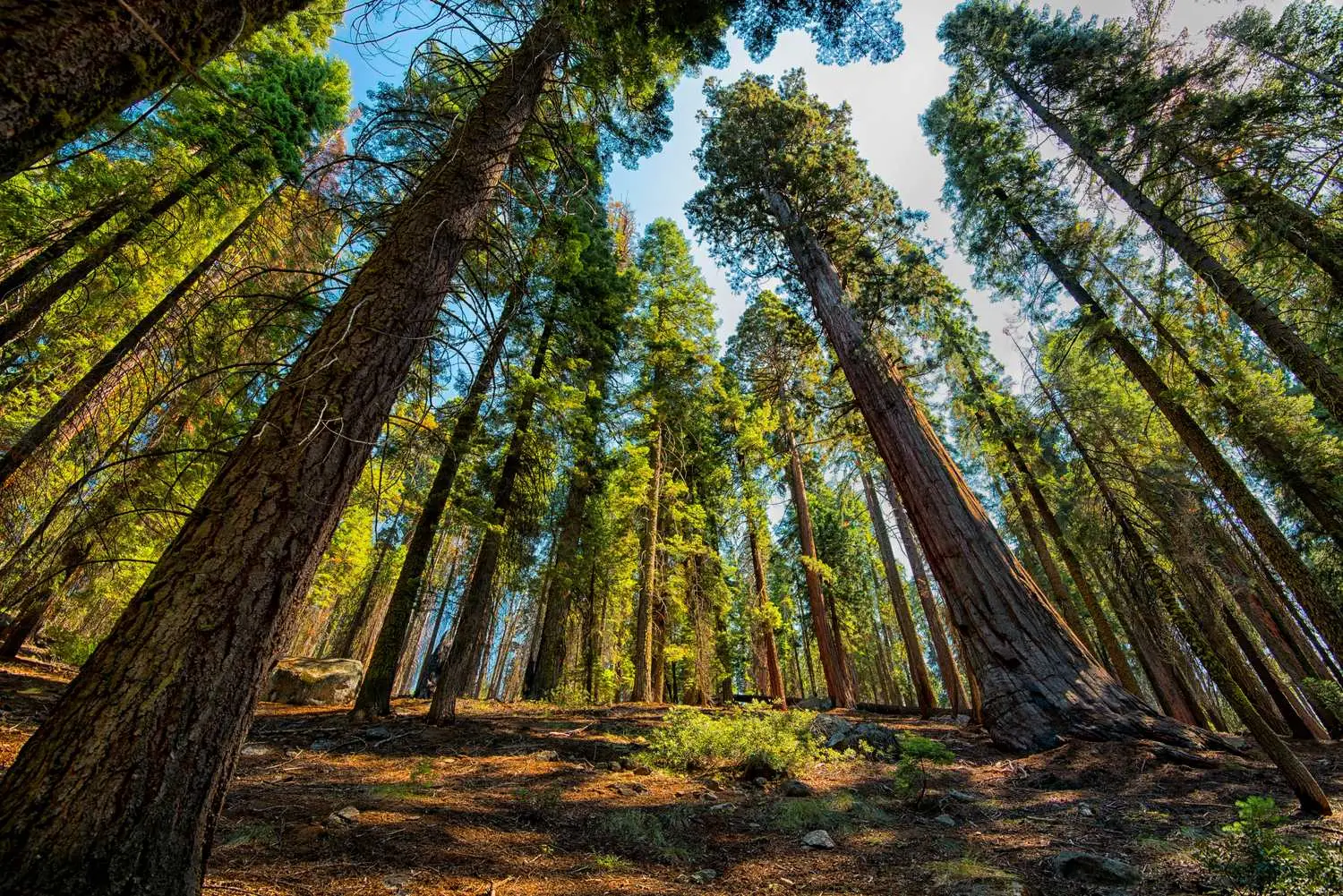
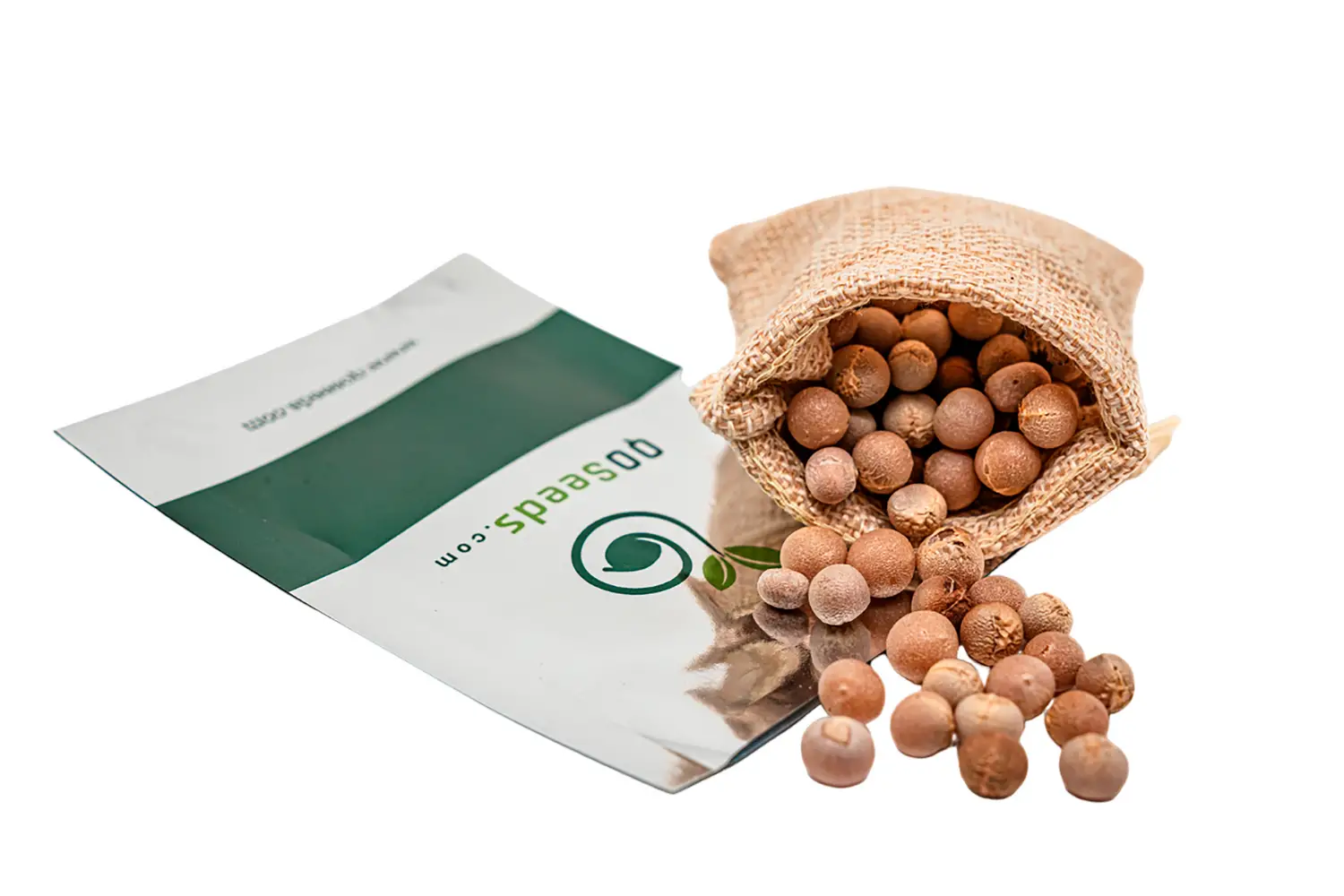
Musa ingens, the Giant Highland Banana, is the world's largest herbaceous plant native to montane rainforests of Papua New Guinea at elevations of 1300-2000 meters. This species exhibits recalcitrant seed behavior with low viability and requires specialized pre-treatment and precise environmental conditions mimicking its cool, wet highland habitat to achieve successful germination. Unlike lowland banana species, M. ingens seeds are opportunistic germinators adapted to forest disturbances and require exposure to heat, smoke, and light signals.
Before sowing
Multiple treatments together increase germination rates significantly: heat treatment (boiling water soak), smoke exposure, and light exposure
Sowing
What to expect
Tips
This species is extremely difficult to germinate and requires multi-step treatment: (1) Soak seeds in boiling water for 24 hours, (2) Apply smoke treatment by sprinkling wood ash on soil or using smoke extract, (3) Provide strong artificial or filtered light (no deep shade), (4) Maintain bottom heat with a heat mat at 25-30°C, (5) Keep substrate consistently moist but not waterlogged, (6) Ensure cool nights (15-20°C) and warm days, (7) Check seedbed weekly for white root emergence, (8) Germination typically occurs 4-8 weeks but may take up to 6 months. After germination, transfer each seedling to individual pots with well-drained substrate in bright, filtered light without direct sun. Keep humidity high and substrate moist during the fragile seedling stage. Young plants are sensitive to high nighttime temperatures and require cool conditions similar to tree fern cultivation.
Sources: rarepalmseeds.com, seedman.com, amazon.co.jp, onszaden.com, krishijagran.com, grokipedia.com