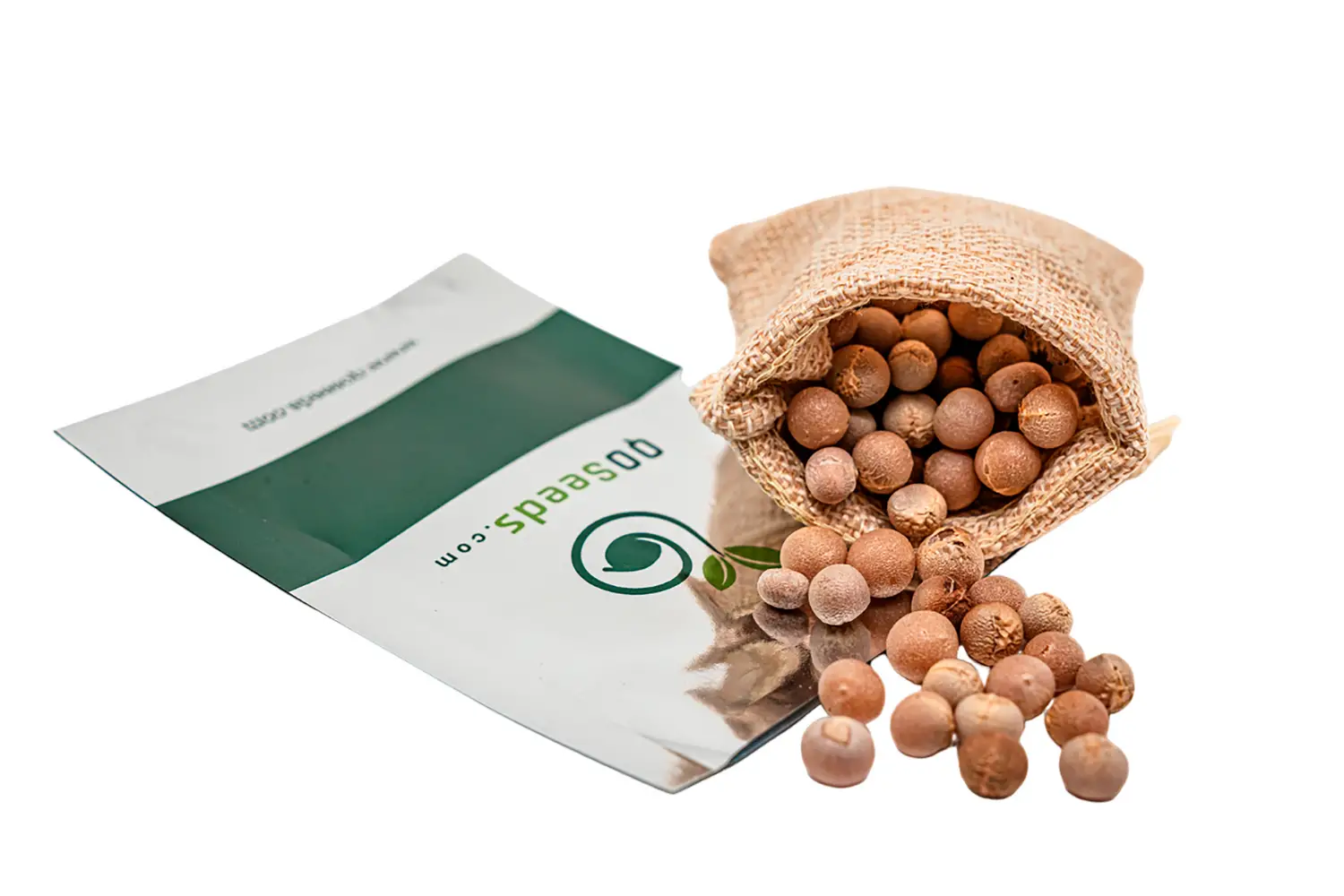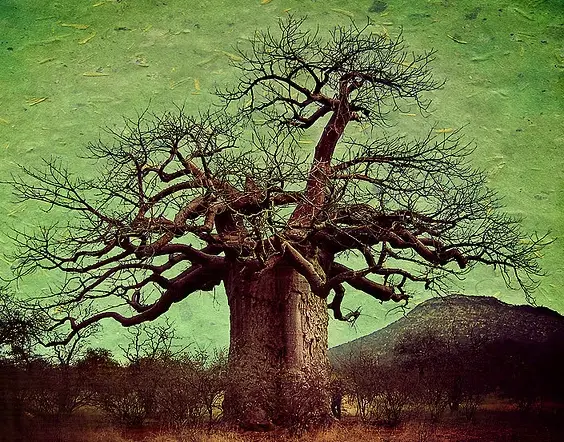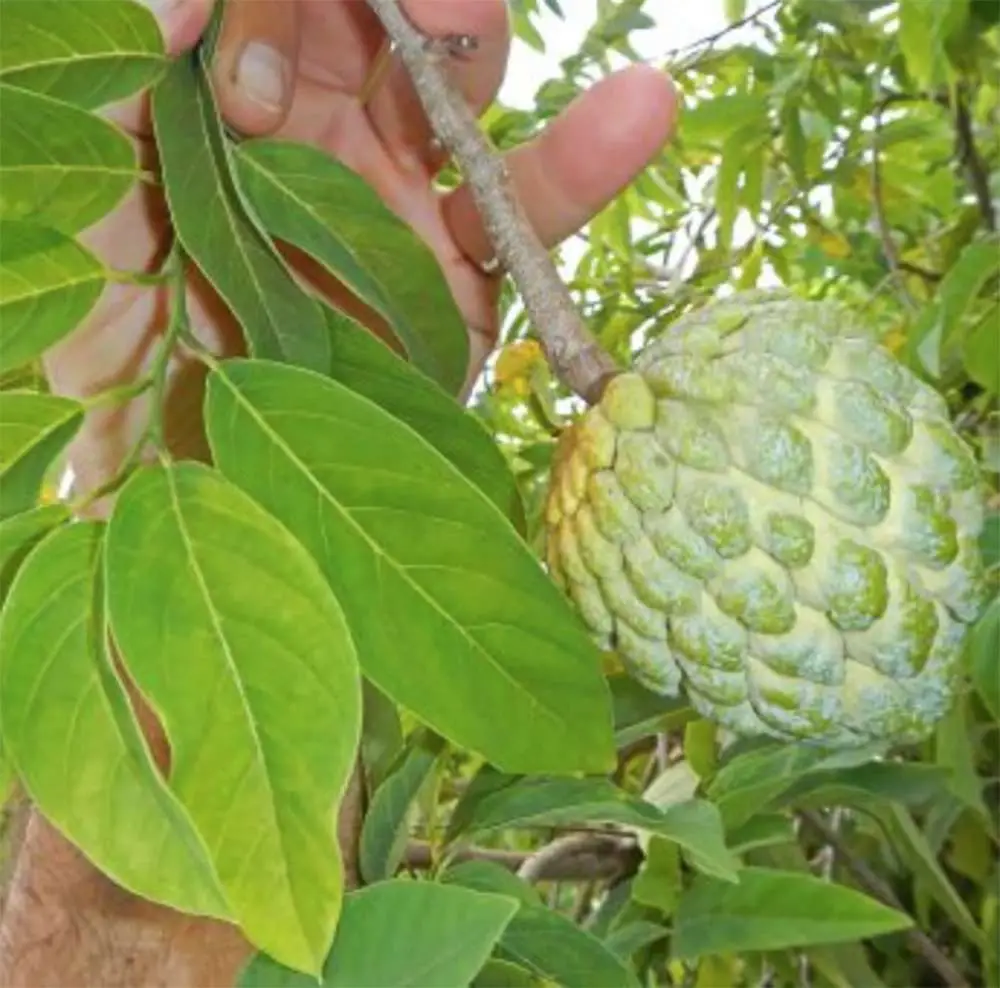
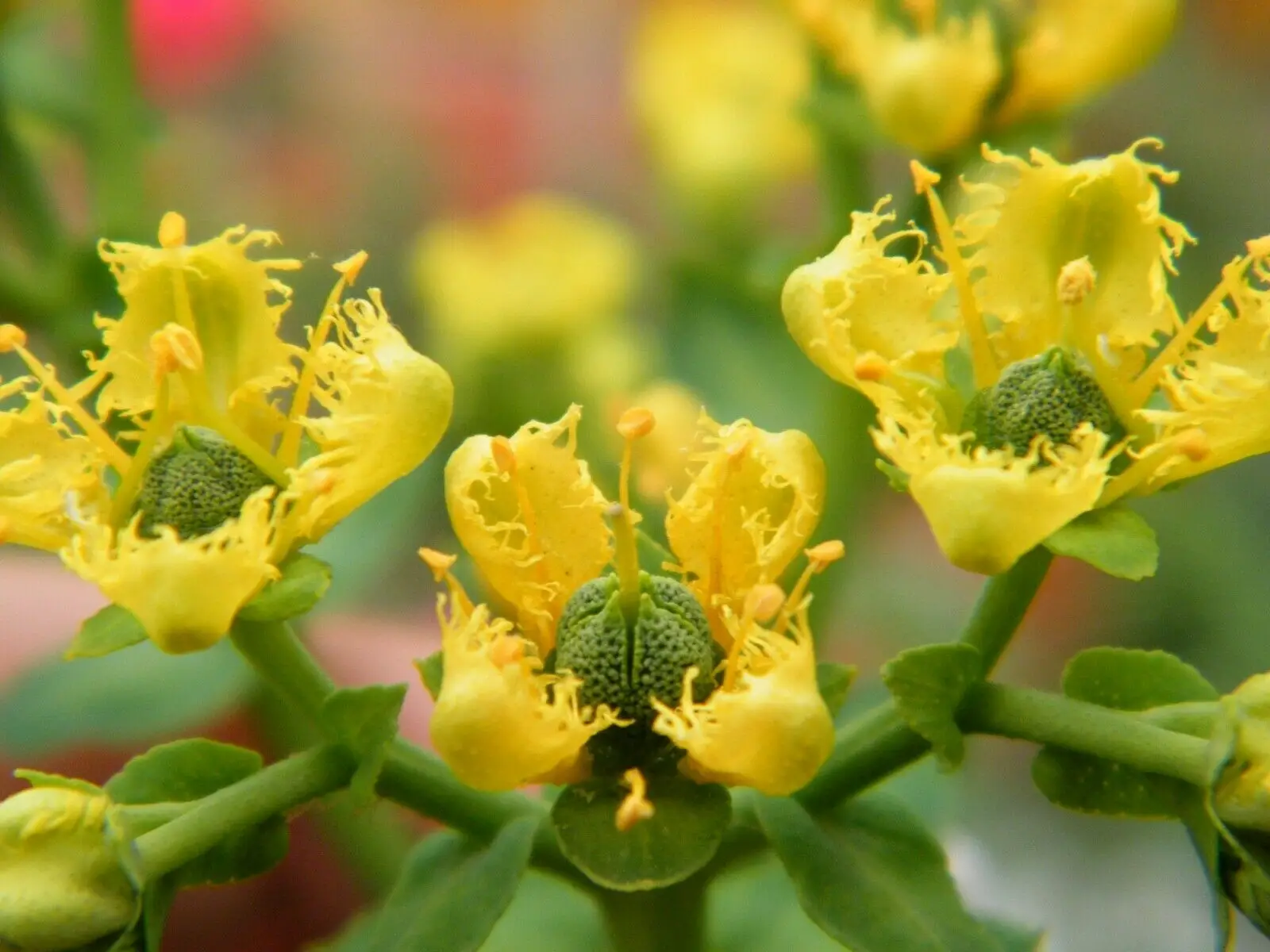
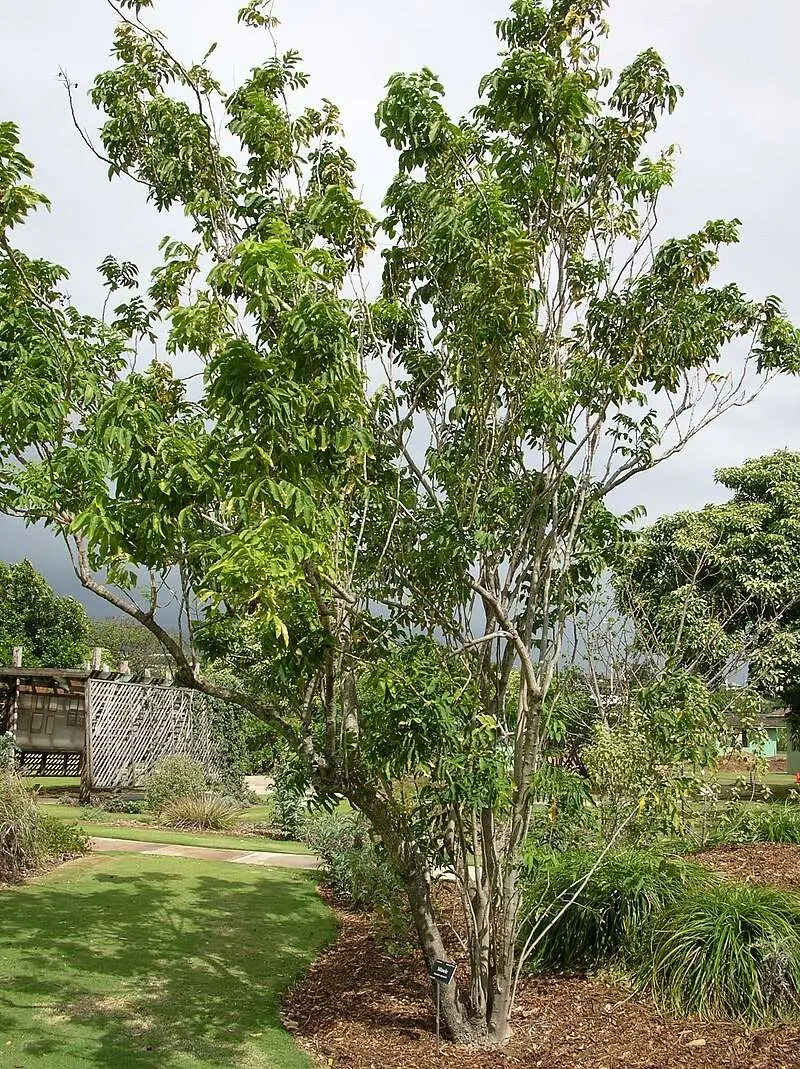
Moringa oleifera, commonly known as the drumstick tree or miracle tree, is a fast-growing, drought-resistant tree native to the foothills of the Himalayas in northern India. Widely cultivated in tropical and subtropical regions for its nutritionally dense leaves, edible pods, and oil-rich seeds, moringa is remarkably easy to germinate and grows rapidly under warm conditions. Seeds germinate readily within 5-14 days when provided with warm temperatures and adequate moisture, making this species ideal for both home gardeners and large-scale cultivation.
Before sowing
Pre-soaking essential for optimal germination. Remove papery wings from seeds prior to soaking if possible. Fresh seeds recommended as viability decreases rapidly during storage
Sowing
What to expect
Tips
Use only fresh, high-quality seeds for best results (viability decreases rapidly). Maintain consistently warm soil temperature between 25-35°C (77-95°F) using a heat mat if necessary. Seeds do not require light to germinate but seedlings need bright light immediately after sprouting—avoid leggy growth by providing 6-8 hours of direct sunlight daily. Water sparingly; avoid waterlogging as roots are extremely sensitive to rot and damping-off disease. High humidity (80-90%) benefits germination but monitor closely for mold. Once sprouted, transplant seedlings early (at 1-2 inches depth) as moringa develops a vigorous taproot that can become crowded. Seedlings grow explosively under warm conditions and can reach 12-15+ feet in a single growing season. Reduce humidity and increase air circulation after germination to prevent fungal issues. Use well-draining substrate only—never allow prolonged waterlogged conditions.
Sources: Epic Gardening; The Survival Gardener; ScienceDirect (Seed germination and sprouts production); ResearchGate (Temperature effect on seed germination); PMC/NCBI (Cultivation, germination protocols); Moringa Farms; Gardening Lovy; The Rike; Moringa Texas