Fresh seeds to sow

Up to 40% off: 20% from €20, 30% from €30, 40% from €40Free shipping on orders over €30Up to 40% off: 20% from €20, 30% from €30, 40% from €40Free shipping on orders over €30
How to Germinate › Melaleuca squamea

Melaleuca squamea

Swamp Honey Myrtle
Family · Myrtaceae Native · Tasmania, Victoria, South Australia, and New South Wales (eastern Australia) USDA zone · 8-10 ⓘ
Difficulty
Easy
New Step-by-step guide — follow the complete process, from soaking to transplanting, in simple steps. Open the step-by-step guide →
Temperature
21°C ideal
Germination
14–35days
after pre-treatment
Success rate
~85%
Light
Light
Sow depth
Surface

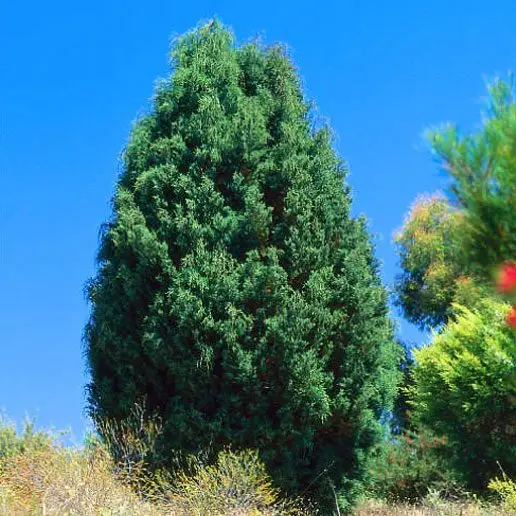
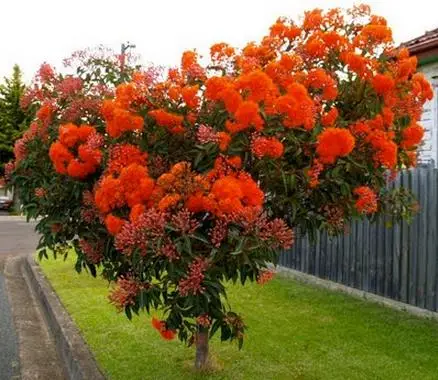
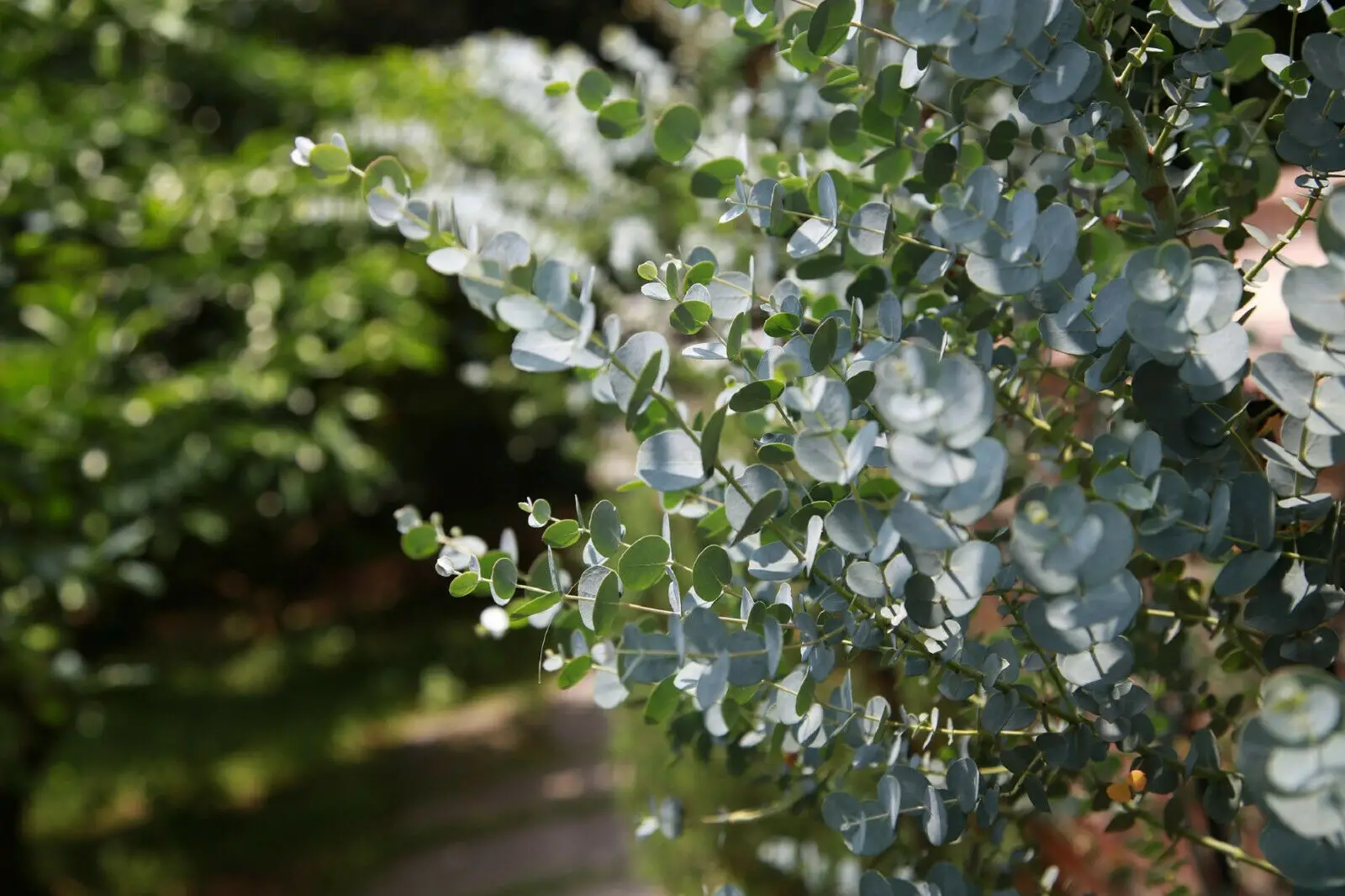
Melaleuca squamea, commonly known as Swamp Honey Myrtle, is an erect Australian shrub endemic to southeastern Australia, particularly Tasmania. Its non-dormant seeds germinate readily without special treatment, making it an excellent choice for propagation. The species displays beautiful lilac to mauve flowers in spring and thrives in moist to wet conditions.

Before sowing

Smoke / fire
Smoke treatment may enhance germination and improve results

Seeds are non-dormant and viable seeds should germinate readily with no special treatment required

Sowing

Substrate
Well-draining potting mix, preferably sandy or sandy loam
Depth
Surface
Temperature
21°C
Moisture
Medium
Container
Seed trays or small pots with drainage holes

What to expect

Step 1
Pre-treat the seed
Step 2
Sow at Surface · 21°C
Day 14–35
Seedlings emerge (~85%)

Tips

Surface sow seeds lightly covered with gravel or fine sand. Keep substrate consistently moist but not waterlogged. Light enhances germination. Smoke treatment before sowing may improve germination rates. Germination typically occurs within 2-5 weeks at optimal temperatures of 18-25°C. Use late spring to summer for optimal results. Transplant seedlings when large enough to handle. This species prefers acidic, well-drained soils and tolerates poor drainage better than most plants.

Sources

TreeProject (Australia), South Australian Seeds Database, Australian Plants Society, Royal Horticultural Society
CM
Caio Molon Nogueira
Especialista em espécies exóticas · Quinta dos Ouriques

You might also like

Up to 40% off: 20% from €20, 30% from €30, 40% from €40Free shipping on orders over €30Up to 40% off: 20% from €20, 30% from €30, 40% from €40Free shipping on orders over €30