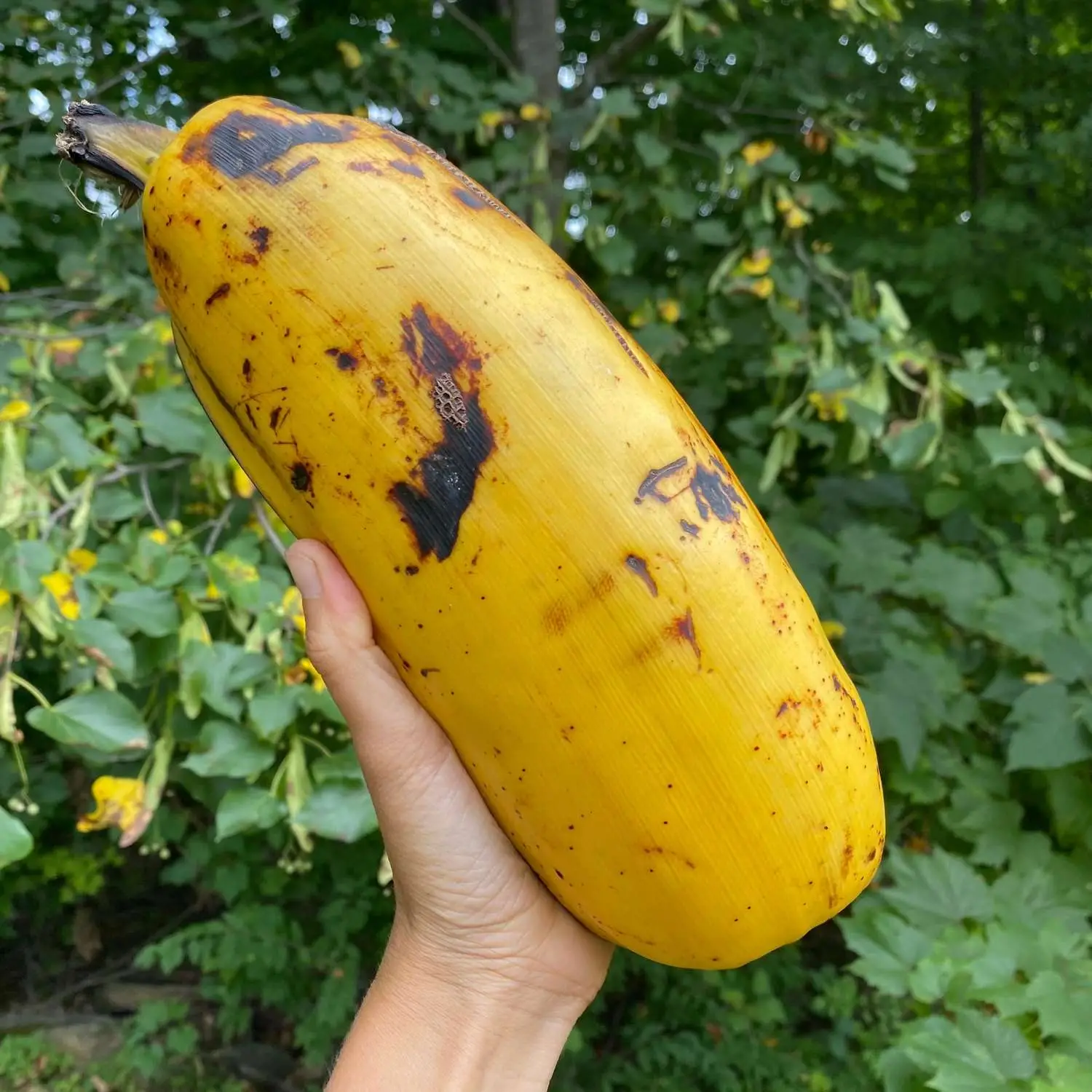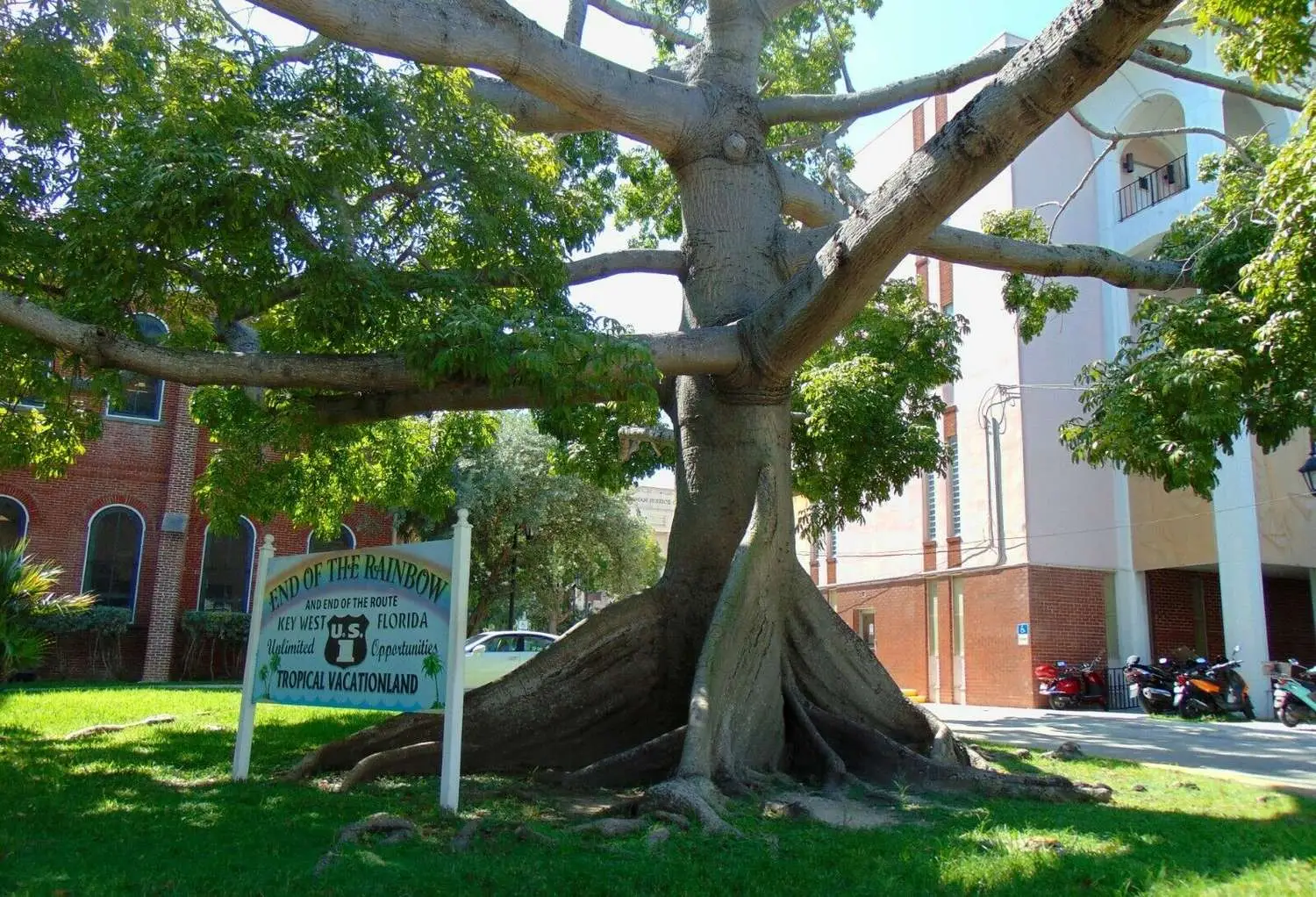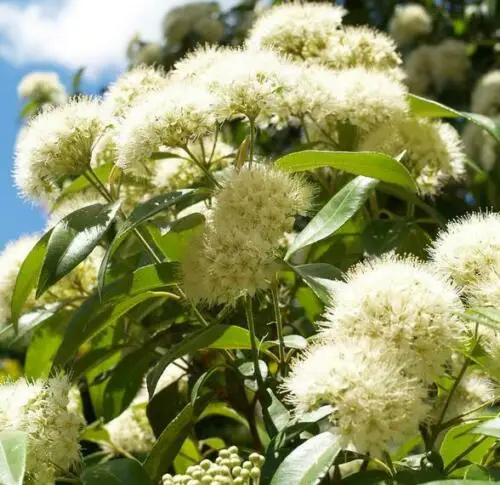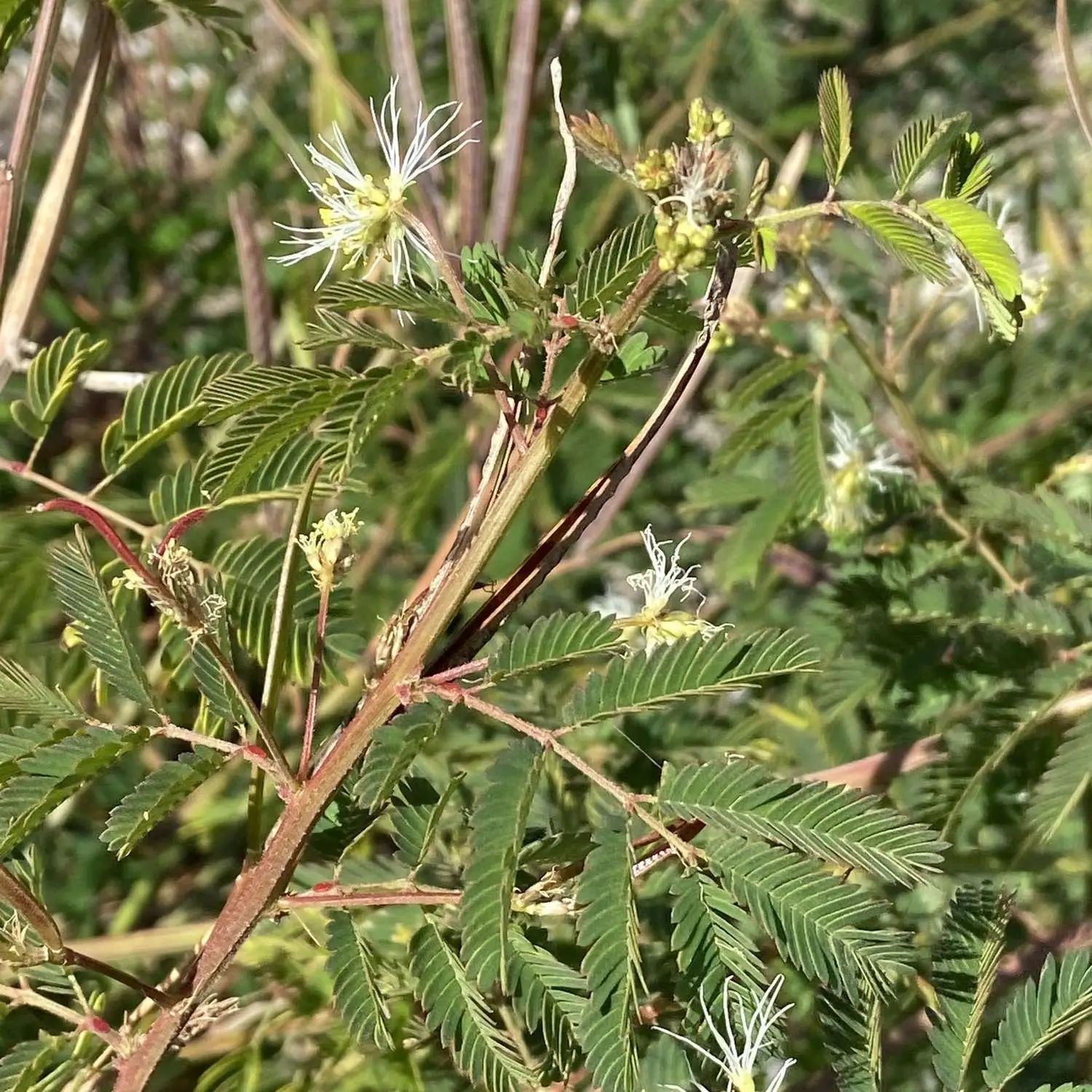

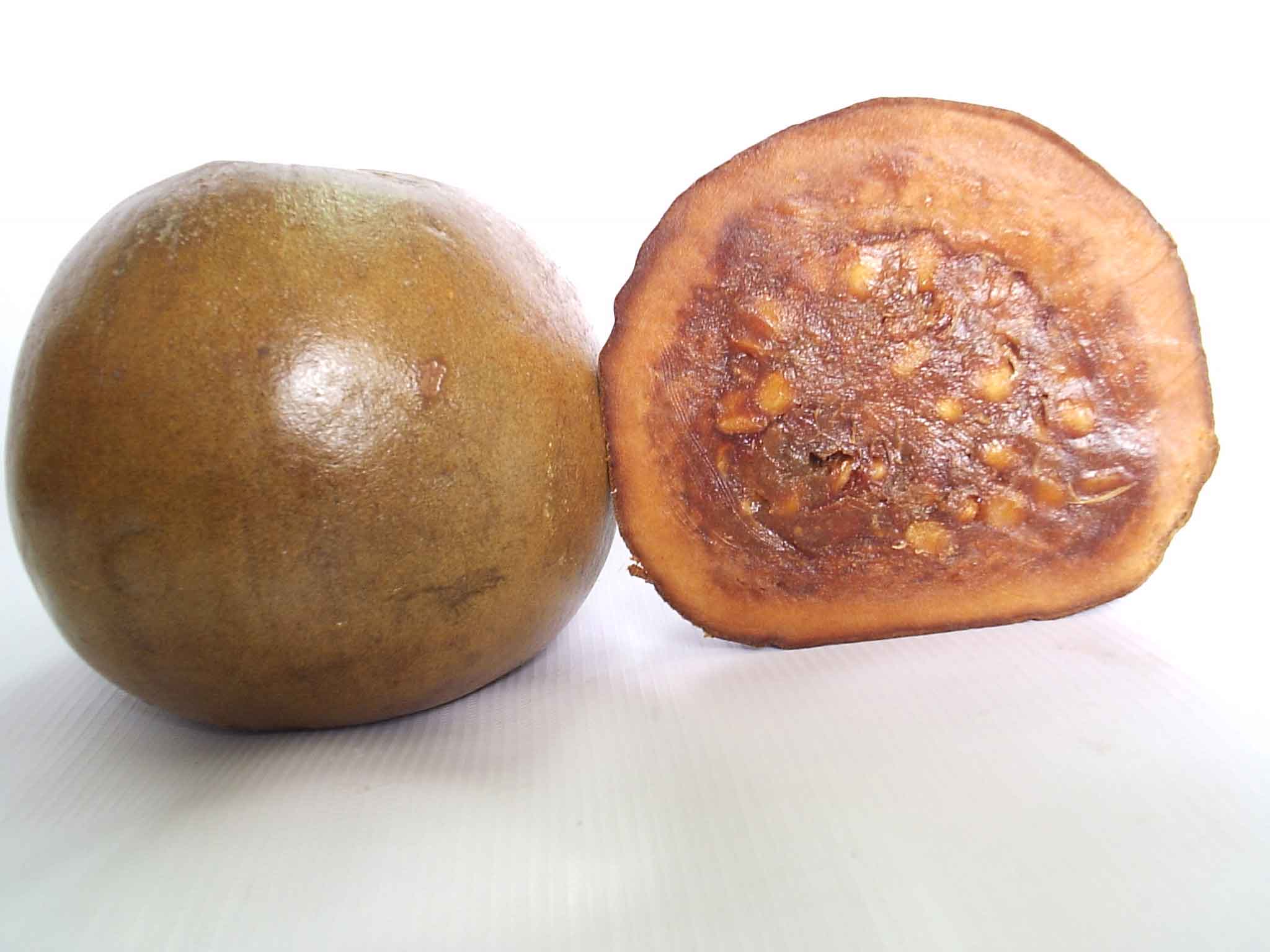
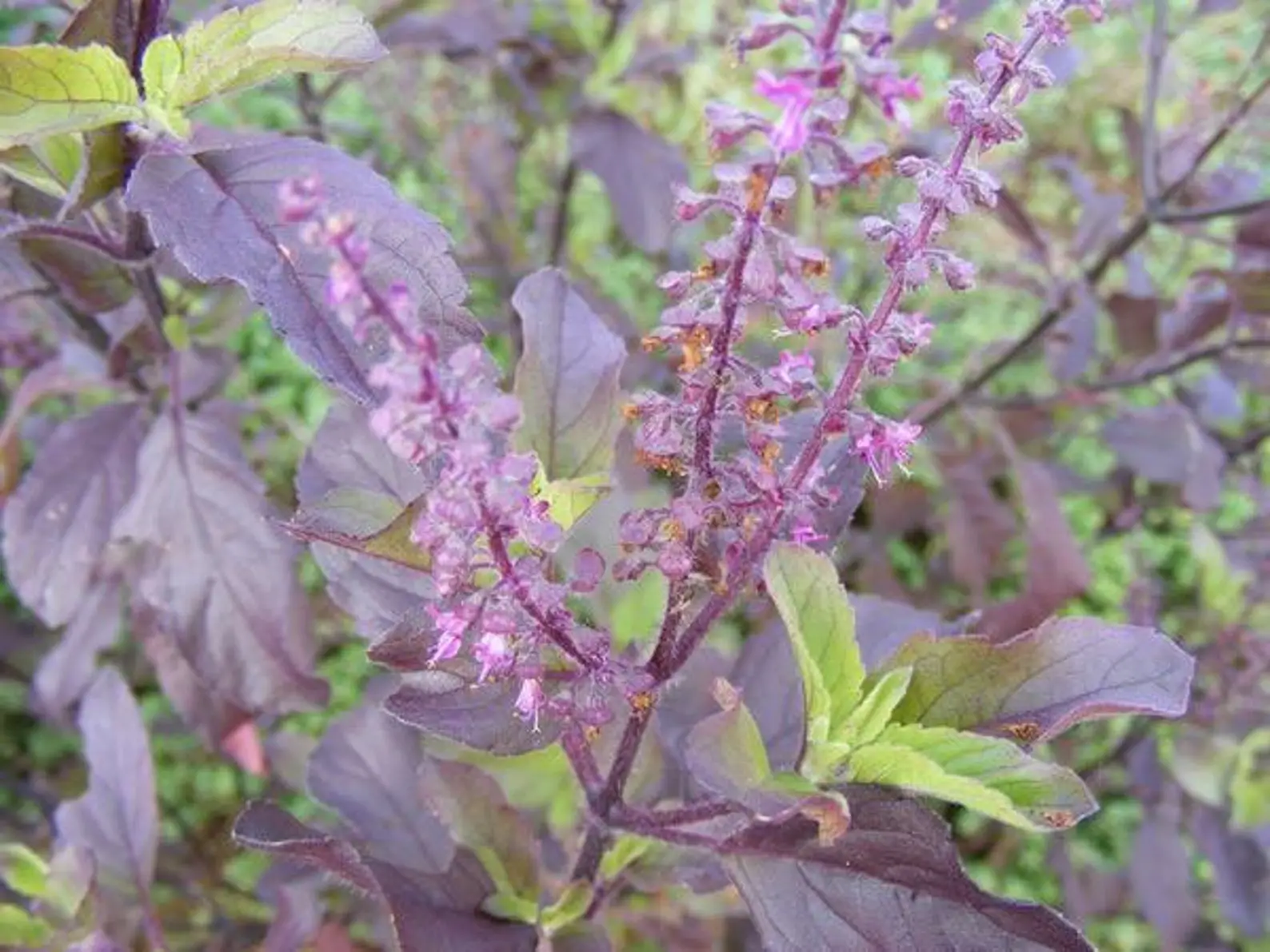
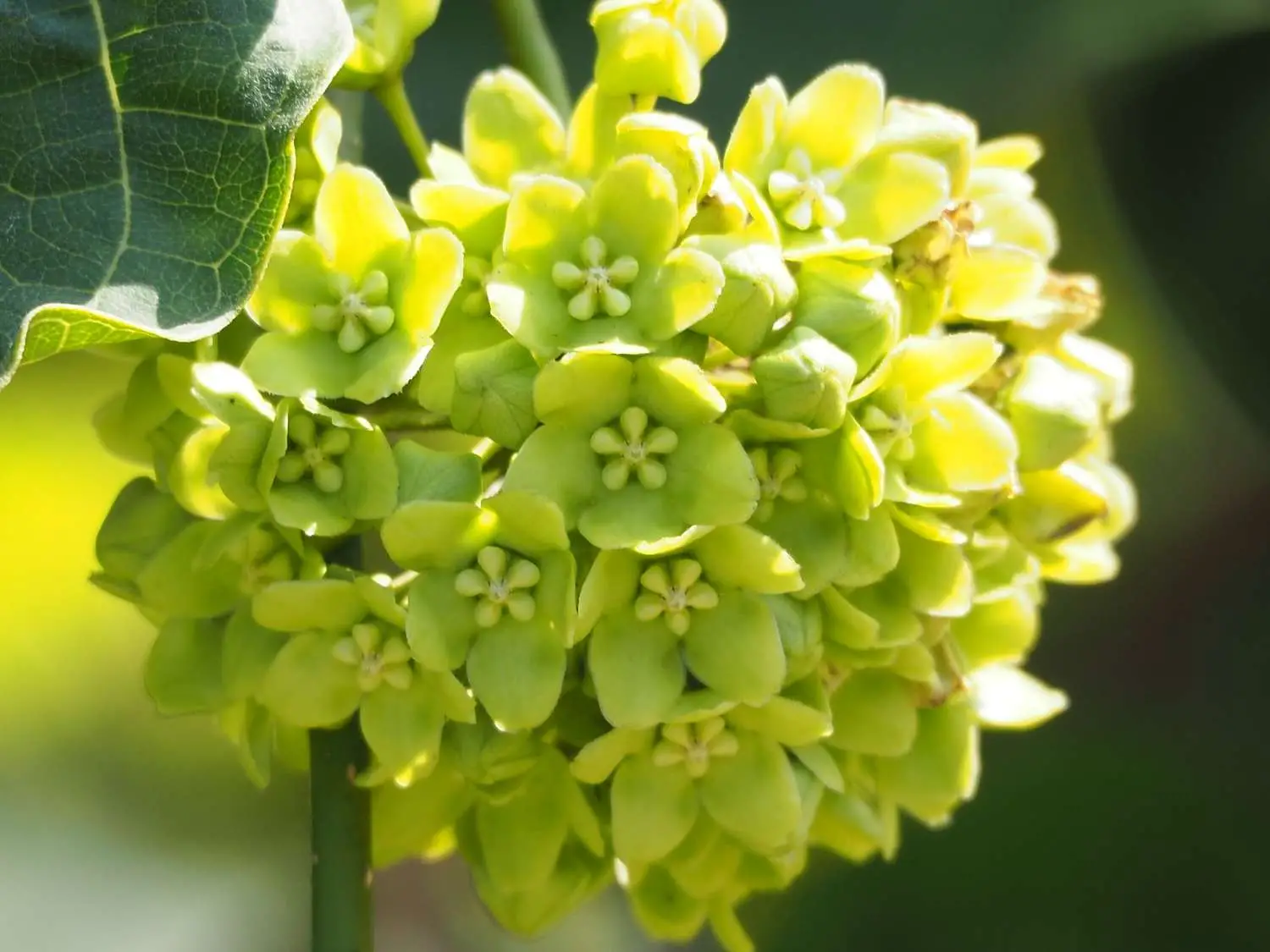
Manilkara hexandra, commonly known as Khirni, is a slow-growing, commercially and medicinally important evergreen tree native to the Indian subcontinent and Indo-China regions. The species exhibits poor seed germination due to a hard seed coat, but pre-sowing treatments with gibberellic acid and other chemical regulators significantly improve germination rates and seedling vigor. Seeds typically germinate within 25-35 days when given appropriate pre-treatment and sown in well-prepared soil.
Before sowing
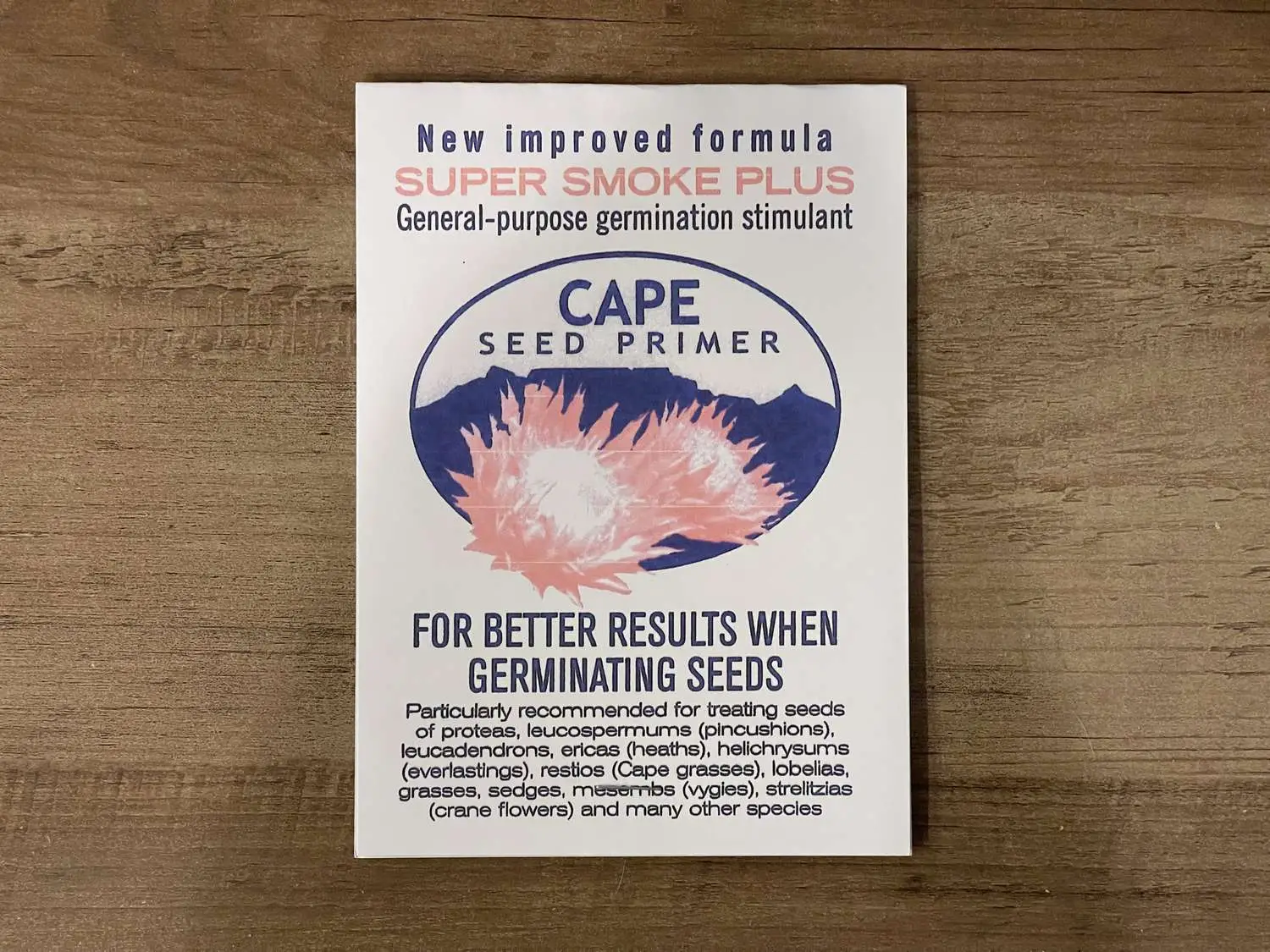
GA3 at 100 ppm resulted in high germination percentage, germination index, and peak value. GA3 at 200-300 ppm showed highest mean daily germination, vigor, and germination energy. KNO3 2% resulted in earliest seedling emergence. Cow dung slurry and cow urine also effective
Sowing
What to expect
Tips
Use fresh seeds for better germination rates. Pre-treatment with GA3 (100-300 ppm) is highly recommended to overcome seed dormancy. For best results, sow in June-July in well-draining loamy or sandy soil enriched with organic matter. Seeds should be lightly covered and kept at moderate moisture. Transplant seedlings into polyethylene bags to avoid root damage. Provide partial shade during initial growth and ensure regular watering but avoid waterlogging. The tree tolerates temperatures from 10-38°C and drought conditions, making it suitable for tropical and semi-arid regions
Sources: Rai et al. (2018), Singh & Singh (published records on Khirni cultivation), Research on storage and priming effects on Khirni seeds