Fresh seeds to sow

Up to 40% off: 20% from €20, 30% from €30, 40% from €40Free shipping on orders over €30Up to 40% off: 20% from €20, 30% from €30, 40% from €40Free shipping on orders over €30
How to Germinate › Mallotus philippensis

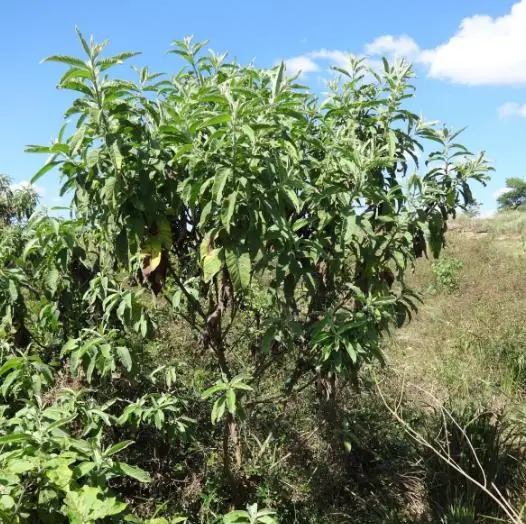
Mallotus philippensis

Kamala tree, Red kamala, Kumkum tree, Monkey face tree
Family · Euphorbiaceae Native · Tropical and subtropical Asia from western Himalayas through India, Sri Lanka to southern China and throughout Malesia to Australia USDA zone · 10-12 ⓘ
Difficulty
Moderate
New Step-by-step guide — follow the complete process, from soaking to transplanting, in simple steps. Open the step-by-step guide →
Temperature
22°C ideal
Germination
21–120days
after pre-treatment
Success rate
~5%
Light
Any
Sow depth
Lightly covered

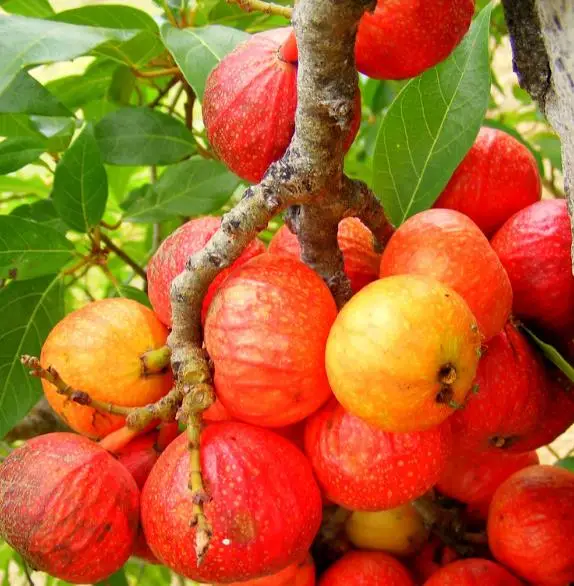
Mallotus philippensis is an evergreen tree in the Euphorbiaceae family, known for its bright orange-red fruit covering used as dye. Fresh seeds are advised for optimal germination. Despite variable success rates, germination can be enhanced significantly through soaking and gibberellic acid treatment.

Before sowing

Soak
12 h Soak seeds in water for 12 hours; some sources recommend fresh seeds for best results

Soaking in water for 12 hours followed by GA3 (gibberellic acid) treatment at 50 ppm for 60 minutes significantly improved germination rates to 75%

Sowing

Substrate
Well-drained sandy compost; sand medium recorded maximum germination at 75%; soil+sand mixtures also effective
Depth
Lightly covered
Temperature
22°C
Moisture
High
Container
Perforated trays or standard seed trays with drainage

What to expect

Step 1
Pre-treat the seed
Step 2
Sow at Lightly covered · 22°C
Day 21–120
Seedlings emerge (~5%)

Tips

Sow seeds at the beginning of the rainy season. Keep substrate moist. Germination rate is often poor without treatment due to drought and insect attack; sow close (5cm apart) and thin later. Seeds are subglobose and black (4mm across). Dried seeds can be stored in gunny bags or tins in dry place for up to 6 months without losing viability.

Sources

Lucid Central (Australian National Botanic Gardens), Plant World Seeds, Useful Tropical Plants Database, PROSEA, World Agroforestry Database, Wikipedia, Navsari Agricultural University (2025 research)
CM
Caio Molon Nogueira
Especialista em espécies exóticas · Quinta dos Ouriques

You might also like

Up to 40% off: 20% from €20, 30% from €30, 40% from €40Free shipping on orders over €30Up to 40% off: 20% from €20, 30% from €30, 40% from €40Free shipping on orders over €30