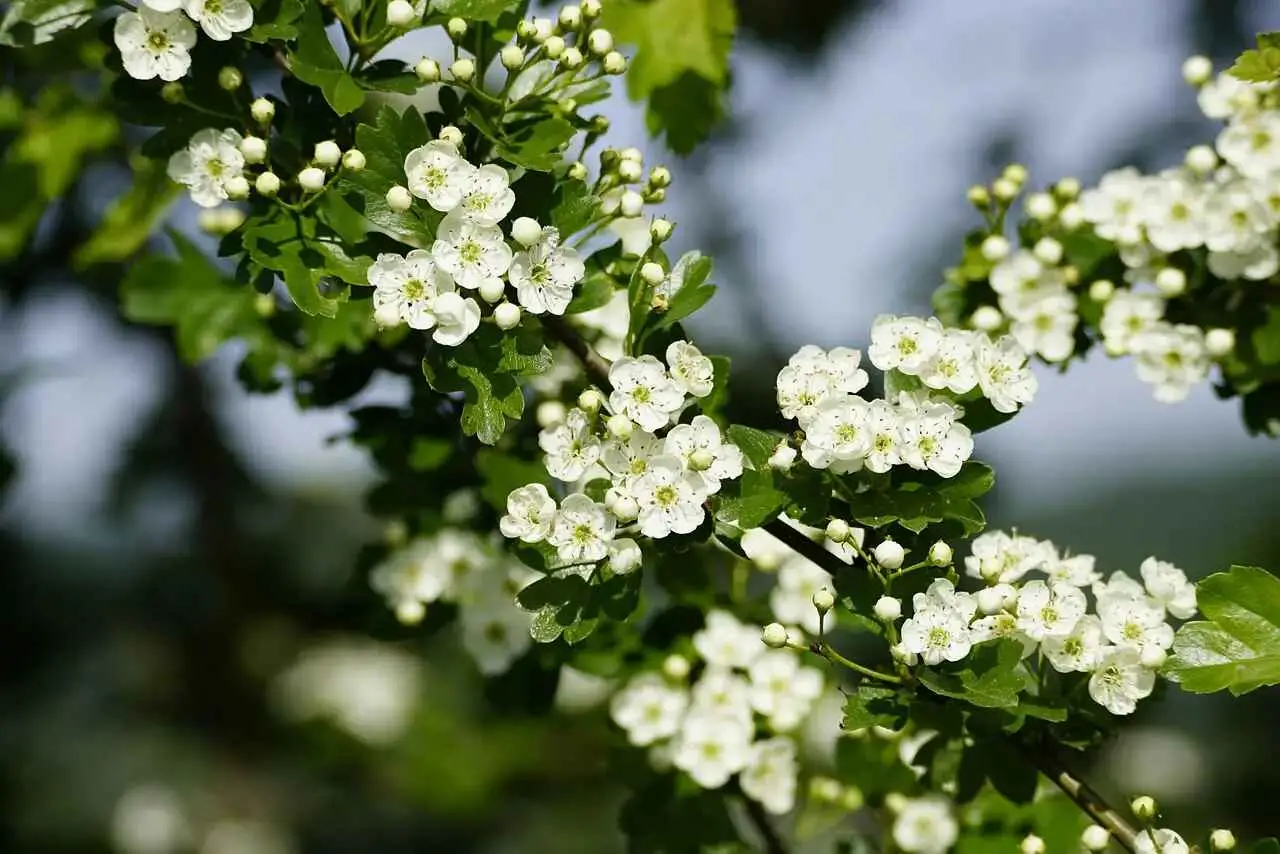
Mahonia aquifolium, commonly known as Oregon Grape, is an evergreen shrub native to the Pacific Northwest with holly-like spiny leaves, bright yellow fragrant flowers in spring, and dark blue-purple edible berries. The species has deep physiological dormancy requiring prolonged cold stratification to germinate; seeds are challenging but can achieve high germination rates with correct pretreatment procedures.
Before sowing
Cold stratification at 4°C for 6-10 weeks is essential. Seeds must not be allowed to dry out. Fresh or green seed (harvested before seed case dries) germinates within 6 weeks without stratification.
Sowing
What to expect
Tips
Use moist but not waterlogged substrate during cold stratification. Place seed-substrate mixture in 4°C refrigerator for 6-10 weeks in clear plastic bag. Seeds may germinate in cold storage; remove germinated seeds (plump and soft texture) to prevent rot. Alternatively, sow stratified seeds in well-prepared seedbed in spring at 0.3-1.3cm depth with soil plus 0.5cm sand mulch. Avoid temperatures above 25°C after sowing as secondary dormancy may be induced. Green (fresh) seed provides fastest germination (6 weeks) without stratification. Multiple stratification cycles may be needed for remaining ungerminated seeds. Growth accelerates after first year.
Sources: ResearchGate dormancy-breaking study; TreesSeedOnline.com; USDA Forest Service; PFAF Plant Database; Klamath Siskiyou Native Seeds; GOERT propagation guidelines; Oregon State University