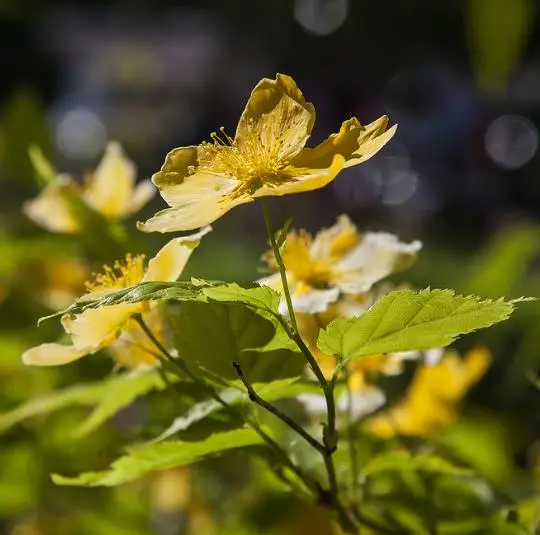
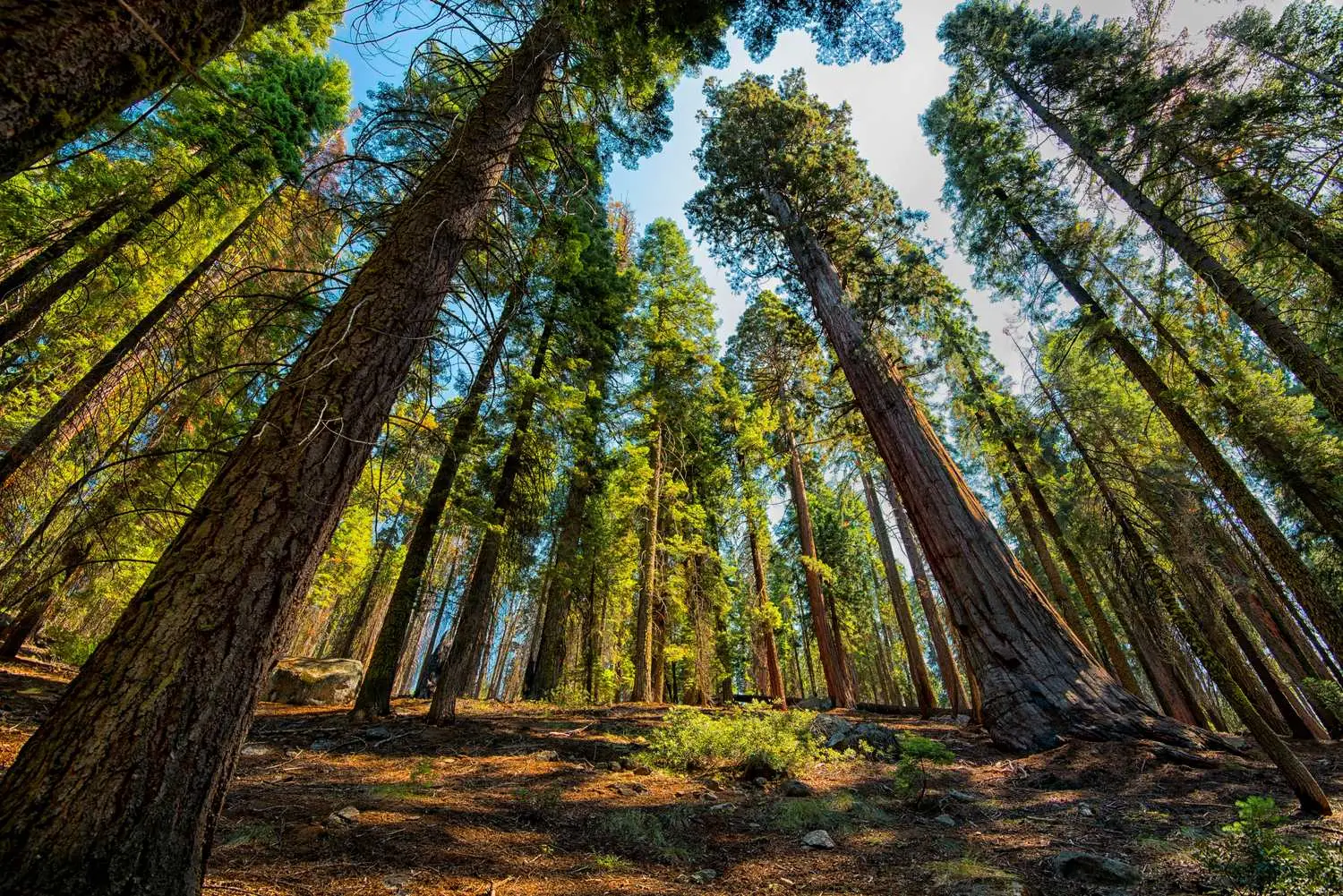
Magnolia kobus, also known as Kobus Magnolia or Northern Japanese Magnolia, is a deciduous tree native to Japan and Korea, prized for its early spring display of fragrant white flowers tinged with pale pink. Seeds exhibit physiological dormancy requiring cold stratification to overcome winter dormancy and trigger germination. This species is notoriously slow to reach flowering maturity, often requiring 25-30 years from seed, making germination a long-term commitment.
Before sowing
Remove fleshy fruit coating by soaking and rubbing. Seeds must never be allowed to dry. Fresh seeds are preferred. Store seeds at 2-4°C in moist medium if not sowing immediately.
Sowing
What to expect
Tips
Sow seeds 2 cm deep immediately after extraction and keep pot outside for full 120-day cold stratification cycle. Seeds must never dry out; use moist vermiculite or peat moss during stratification. After cold period, germination typically begins in spring but can be irregular and extend to 18 months. Provide dappled shade to emerging seedlings initially, then increase light. Tamp soil firmly, mulch seedbed, and remove mulch once germination occurs. Sunlight inhibits germination so keep seeds in darkness during stratification. Protect from rodents and ensure protection from late spring frosts once seedlings emerge.
Sources: VIRIAR, Twining Vine Garden, Tea Break Gardener, PFAF Plant Database, Sheffield's Seed Company, Scott Arboretum, North Carolina Extension Gardener, Morton Arboretum, Wikipedia