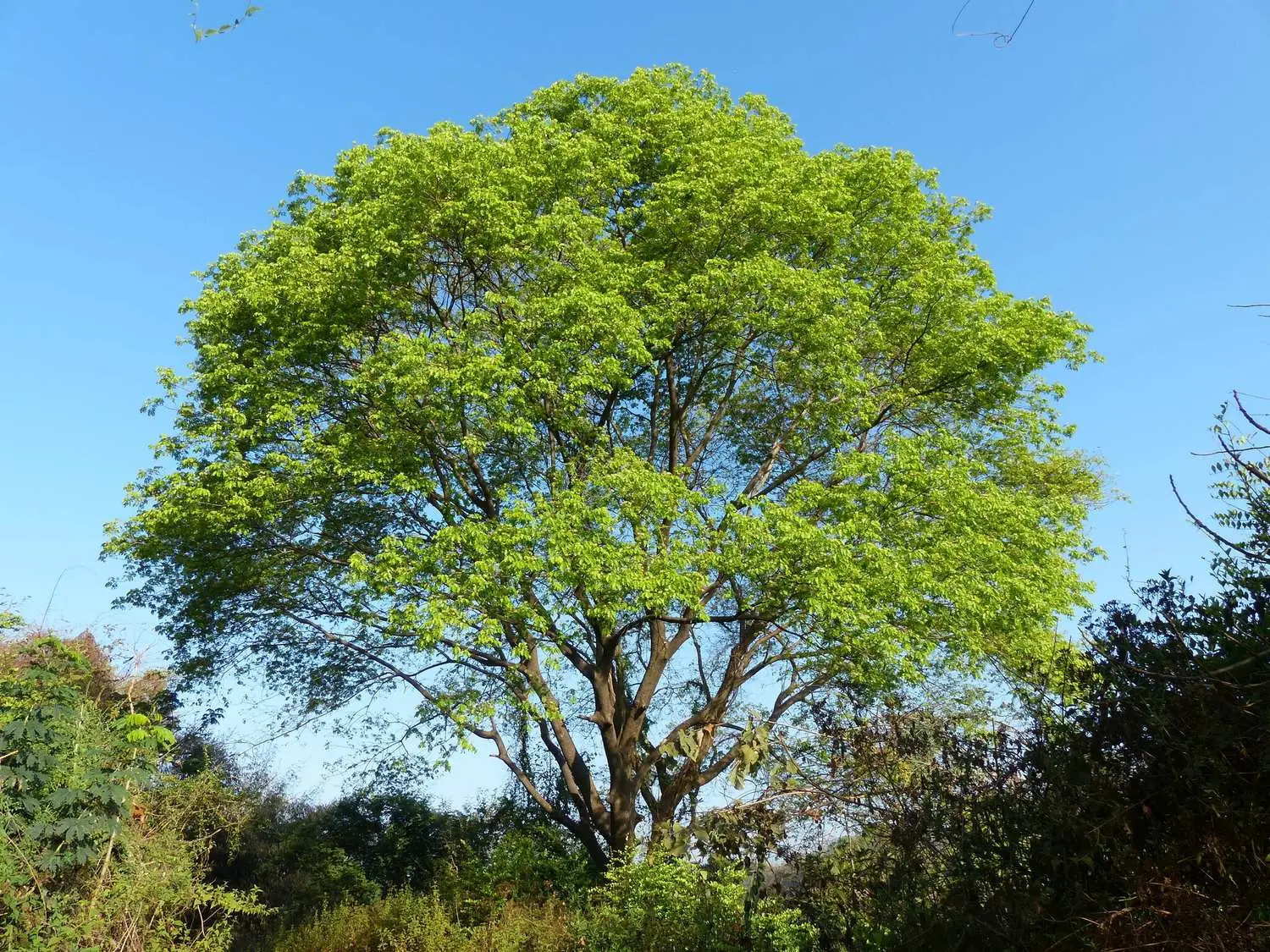
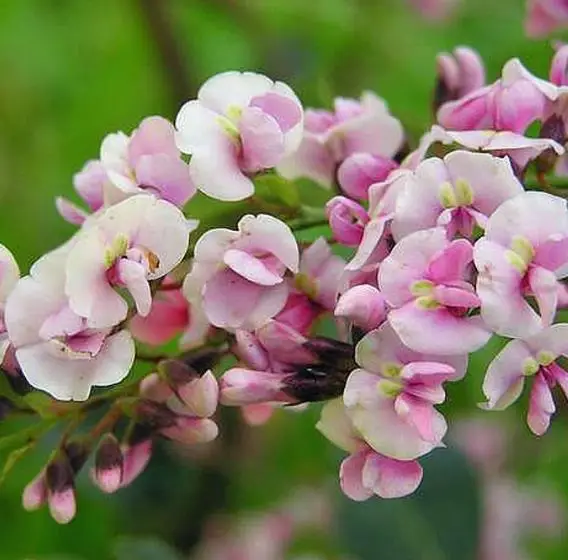
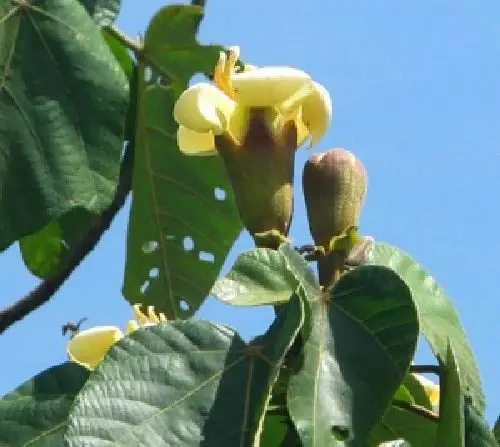
Magnolia campbellii, or Campbell's Magnolia, is a spectacular deciduous tree native to the Himalayan highlands, renowned for its extraordinary early-spring flowers that appear on bare branches in white to vivid rose-pink hues. Seeds exhibit morphophysiological dormancy requiring cold stratification to break dormancy and achieve optimal germination rates. This magnificent species is moderately challenging to propagate from seed but highly rewarding for patient gardeners.
Before sowing
Seeds must be cleaned by removing the red fleshy aril coating. Cold stratification in moist vermiculite, peat, or sand at 1-5°C for 90-120 days is essential to overcome dormancy and achieve uniform germination. Keep substrate moist but not waterlogged. Check periodically for mold; rinse affected seeds if needed.
Sowing
What to expect
Tips
Remove the red fleshy aril by soaking seeds in warm water for 24 hours, then rubbing gently with a soft cloth or against window screening. Store cleaned seeds immediately in moist vermiculite or peat in the refrigerator at 1-5°C. After 90-120 days of stratification, sow seeds shallowly (approximately 1/4 inch deep) in warm substrate (18-24°C) with bright, indirect light. Maintain consistent soil moisture without waterlogging. Provide protection from direct sunlight during the first year of seedling growth. Germination typically occurs within 3-6 weeks after stratification. Young seedlings are delicate and require sheltered conditions with high humidity and moderate light.
Sources: USDA Forest Service National Tree Seed Laboratory, Oxford University Botanic Garden, Kew Royal Botanic Gardens, contemporary horticultural germination studies