
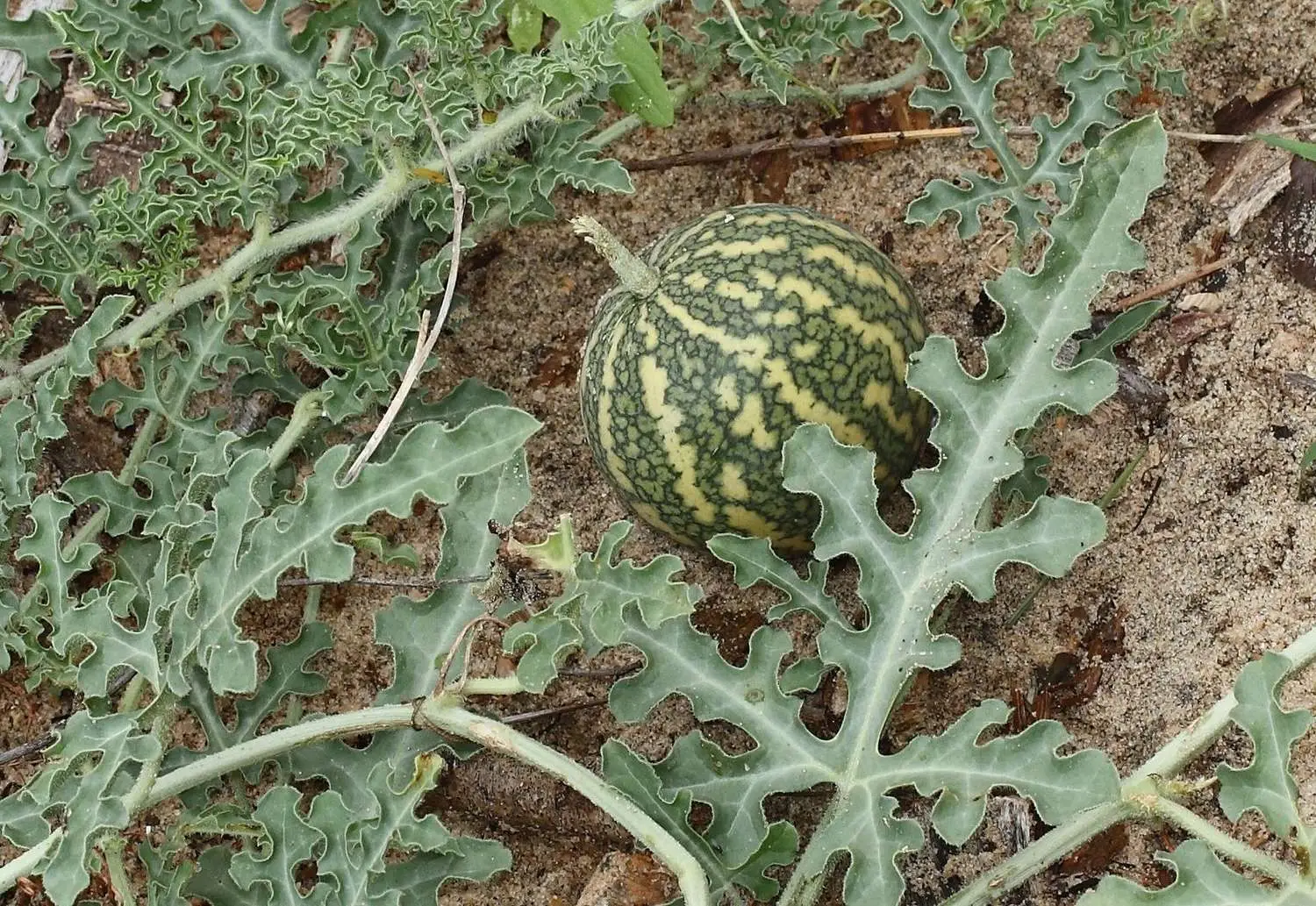

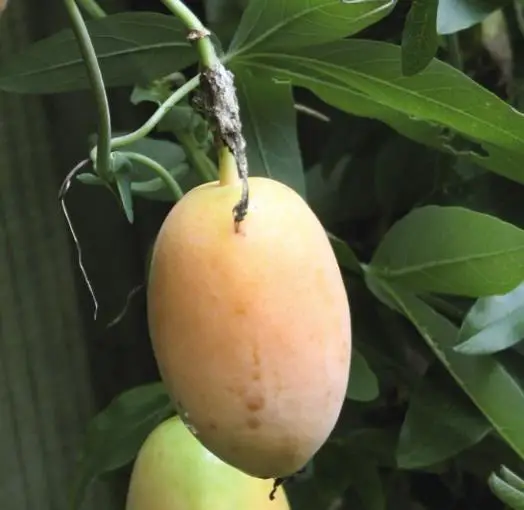
Luffa cylindrica, commonly known as loofah or sponge gourd, is a vigorous annual climbing vine from the Cucurbitaceae family native to tropical Asia. Seeds have notably hard coats requiring scarification and warm soaking to break dormancy, making them moderately challenging to germinate compared to other cucurbits. Once germinated under proper warm conditions, seedlings develop rapidly with characteristic lobed leaves.
Before sowing
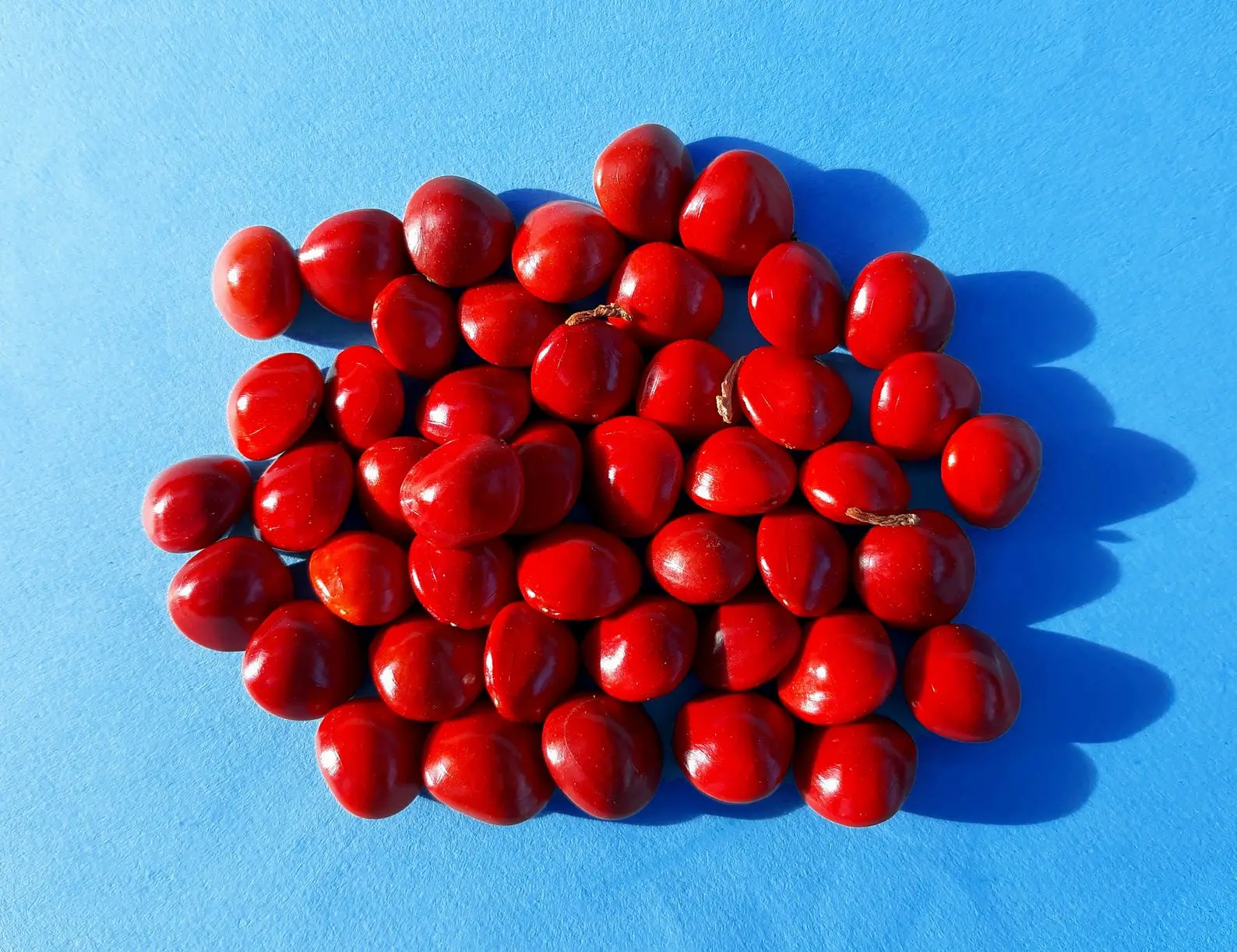
Luffa seeds have hard dormancy. Combination of scarification and soaking is most effective. Clipping with nail clippers after soaking produced fastest germination (3 days vs 5 days with soaking alone).
Sowing
What to expect
Tips
1. Scarify seeds by nicking the pointed end with nail clippers or sanding gently with medium-grit sandpaper before soaking to significantly improve germination rates. 2. Use a heat mat set to 70-85°F (21-29°C) for reliable germination; seeds germinate best at 80-90°F. 3. Start seeds indoors 4-6 weeks before last frost in cool climates; sow 1-1.5 cm deep in warm, moist seed-starting mix. 4. Maintain medium soil moisture (not waterlogged) and provide good air circulation; remove plastic cover after germination. 5. Use deep pots to accommodate the long taproot (may reach 15 cm) before transplanting. 6. Keep seedlings under strong light until nighttime temperatures consistently reach 60°F before hardening off. 7. Plant mulch around seedlings after field transplant to retain moisture and heat. 8. Provide sturdy trellis support as vines can grow 15-30 feet and produce heavy fruit.
Sources: Natural History Museum (nhm.ac.uk), PlotMyGarden, Epic Gardening, Savvy Gardening, Kasetsart University research on seed dormancy, Pinetree Garden Seeds, ScienceDirect