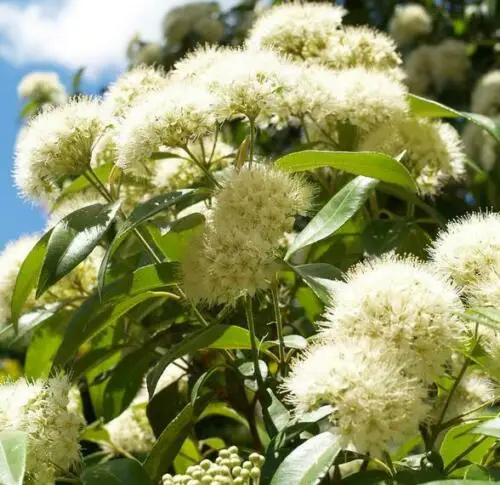
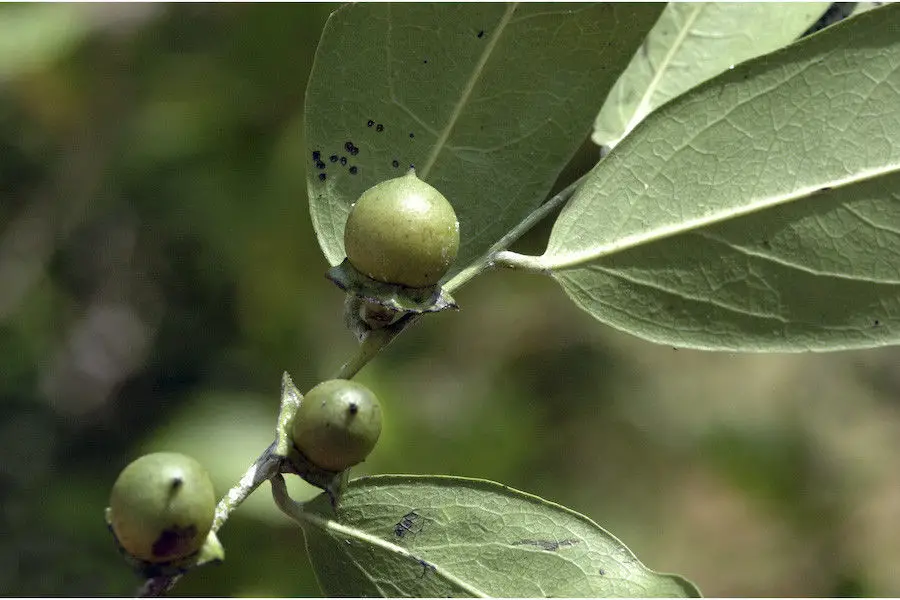
Lonicera caerulea var. edulis, commonly known as Haskap Berry or Edible Blue Honeysuckle, is a cold-hardy deciduous shrub native to northern boreal forests of Asia, Europe, and North America. The variety is distinguished by its sweet, edible blue berries and pubescent foliage. Seeds possess morphological dormancy requiring cold stratification, typically 90 days at 4°C, followed by warm stratification at 20-24°C to break dormancy and initiate germination.
Before sowing
Cold stratification in moist peat or sand for 90 days at 4°C. Seeds should be lightly covered, maintaining moderate-to-high moisture without waterlogging. After stratification, move to warm conditions (20-24°C) to trigger germination
Sowing
What to expect
Tips
Soak seeds 12-24 hours in water before cold stratification to improve germination. Use moist (not waterlogged) peat or sand for stratification in refrigerator. Seeds are very small and do not require covering deeply—lightly press onto soil surface. After stratification, provide temperatures of 18-25°C for germination; avoid temperatures below 12°C or above 30°C as these inhibit or damage seeds. Keep soil consistently moist but not waterlogged during germination. Germination can be slow and variable, taking 4-6 weeks to several months after stratification—do not discard trays prematurely. Once seedlings are large enough to handle, transplant into individual pots and grow in greenhouse for at least the first winter before hardening off. Note: Seeds from crossed plants may show variable characteristics
Sources: Plants For A Future (PFAF), Missouri Botanical Garden, USDA Honeysuckle Seed Guide, Seed company germination protocols (Seedfella, Twining Vine Garden, Ferri Seeds), Appropedia, Royal Horticultural Society