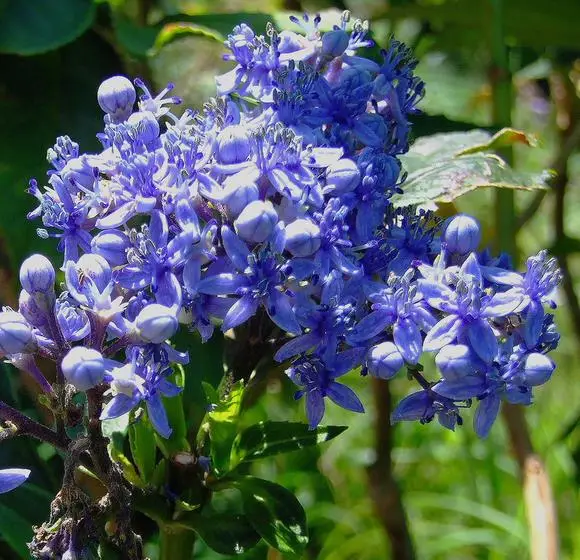

Lespedeza capitata, commonly known as round-headed bush clover, is a native North American perennial legume in the Fabaceae family. Seeds require scarification and cold stratification to break dormancy, and require light for germination. This nitrogen-fixing plant is highly valued for prairie restoration, wildlife habitat, and pollinator support.
Before sowing
For spring planting: scarify seeds, then soak in warm water overnight or mix with moist sand and refrigerate for 3-4 weeks before sowing. For fall planting: direct sow scarified seeds in late fall when soil temperature drops below 50°F (seeds undergo natural cold stratification). If seeds germinate in refrigerator, transfer to individual pots immediately.
Sowing
What to expect
Tips
Seeds require both mechanical scarification and cold stratification for optimal germination. Press seeds into soil surface as they require light to germinate. Maintain constant humidity with container lid but ensure good air circulation. Germination may be slow and inconsistent - seeds can take 10-21 days at 65°F. Provide bright light after germination without direct sun exposure. Inoculate with Rhizobium leguminosarum at transplanting to enhance nitrogen fixation. Harden off seedlings gradually before field planting. Plant preferably in fall for natural stratification.
Sources: USDA NRCS, Wildflower Center, Prairie Moon Nursery, Everwilde Seeds, Fellabees Native Seeds, Hayefield Seeds, Outside Pride, North Carolina Extension, Missouri Botanical Garden