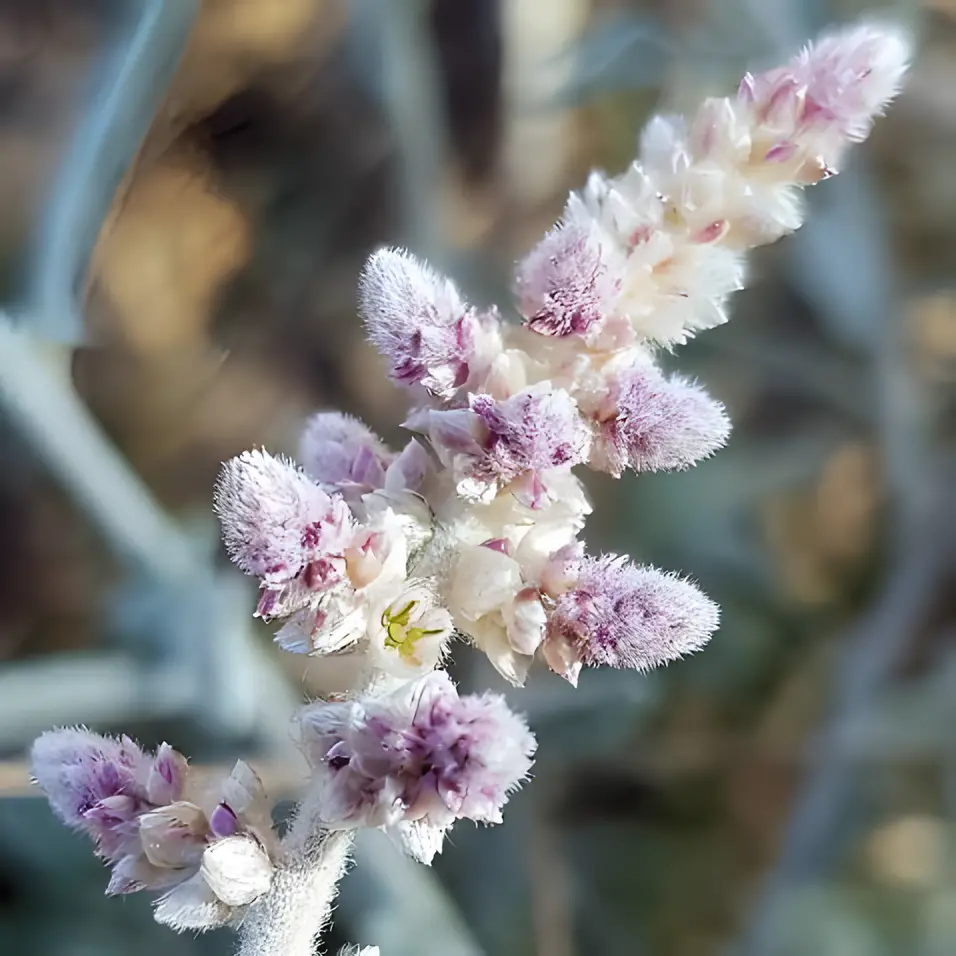
Leonurus cardiaca, commonly known as motherwort, is a hardy perennial herb in the mint family (Lamiaceae) with a long history of medicinal use in treating cardiac and gynecological conditions. Native to southeastern Europe and central Asia, it has been cultivated since ancient times and produces phytochemicals valued for their anti-inflammatory and sedative properties. The species requires cold stratification to break seed dormancy, though already-stratified commercial seeds will germinate readily at warm temperatures.
Before sowing
Cold stratification recommended for 2-4 weeks moist cold stratification for improved germination; seeds can germinate without stratification at optimal temperatures
Sowing
What to expect
Tips
Motherwort seeds germinate more readily after cold stratification (2-4 weeks moist cold at 5°C or 10 days in refrigerator after soaking 12-24 hours). However, previously stratified seeds from commercial sources can be direct-sown in spring without pre-treatment. Seeds should be barely covered with soil (1/8 inch deep) and kept consistently moist until germination. Alternating day/night temperatures improve germination rates. Light is not critical for germination. Provide soil temperatures of 65-85°F (18-29°C) for optimal results. Seeds can be sown in fall for natural stratification over winter or in spring after last frost. Once established, motherwort is extremely hardy, drought-tolerant, and low-maintenance. This aggressive self-seeder should be deadheaded if spread control is desired. Germination can be slow in very cold conditions; be patient as seeds may wait for optimal conditions before sprouting.
Sources: Cambridge University Press Seed Science Research 2025, Strictly Medicinal Seeds, OutsidePride, Homestead Culture, Siskiyou Seeds, Floral Encounters, Pinetree Garden Seeds, The Seed Collection, PFAF Database, Wikipedia, Iowa State University Extension