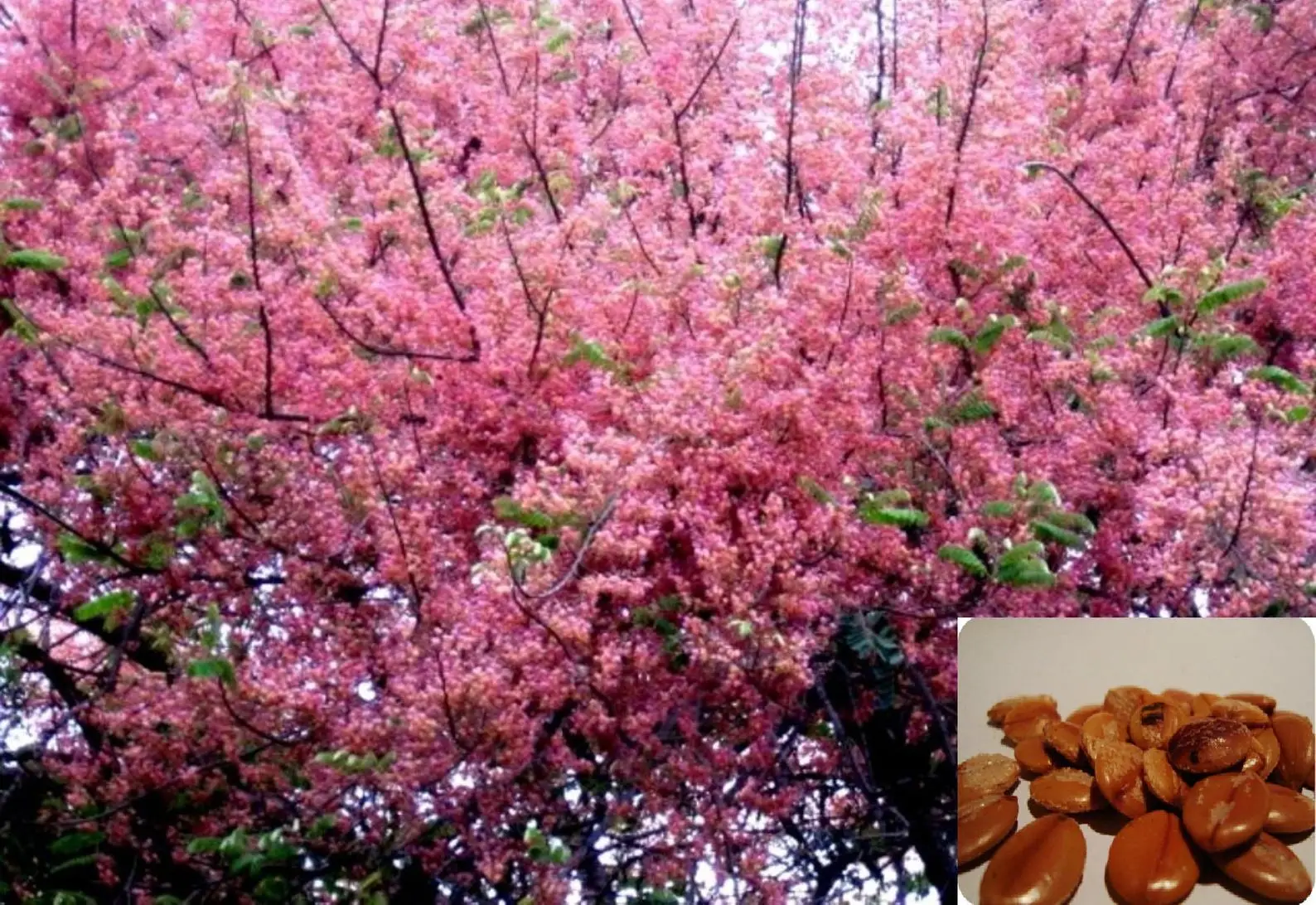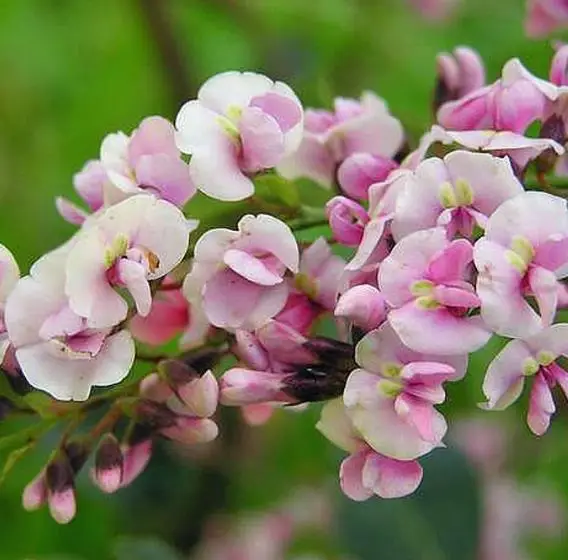
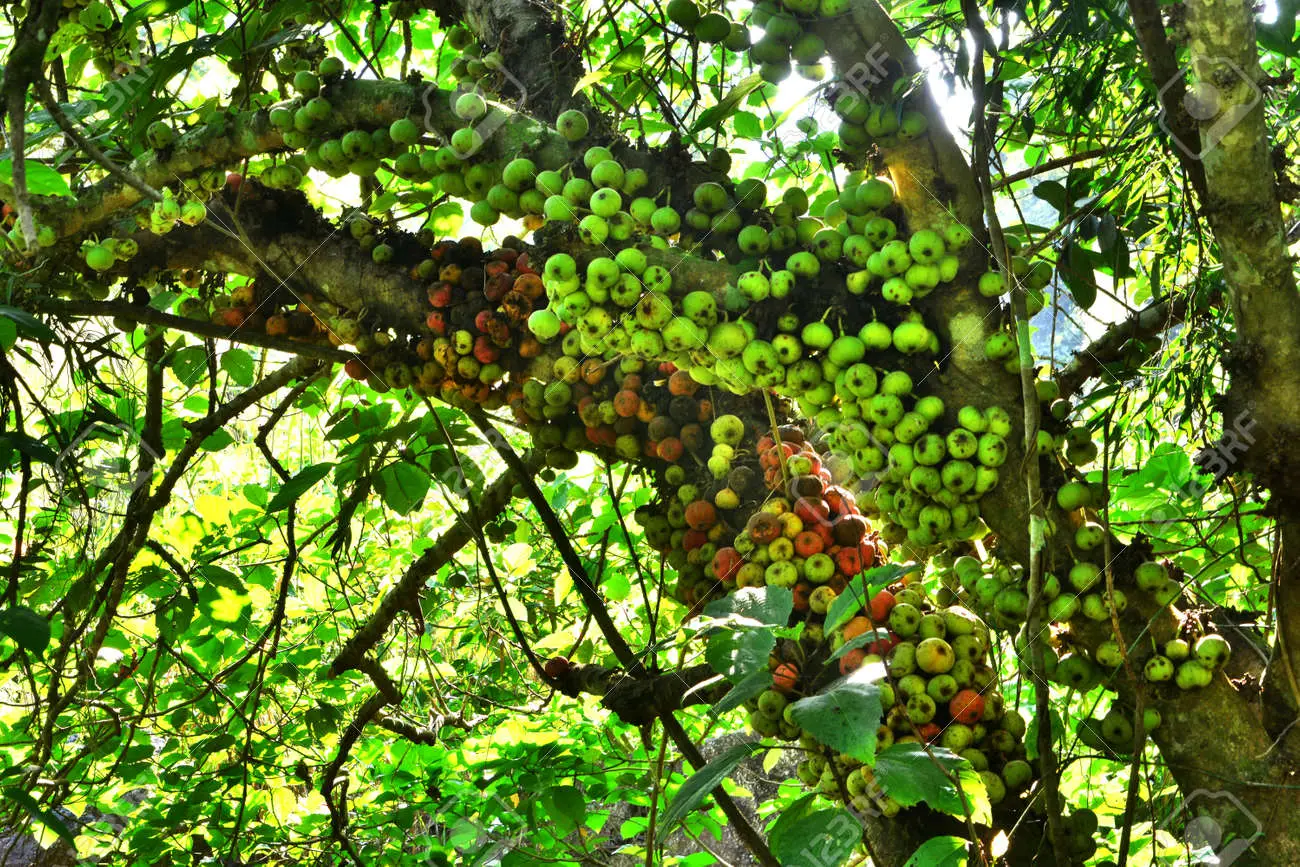
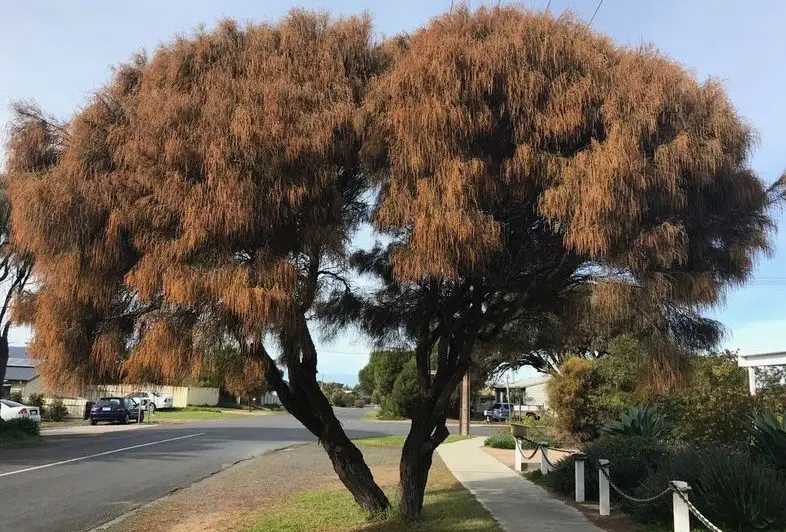
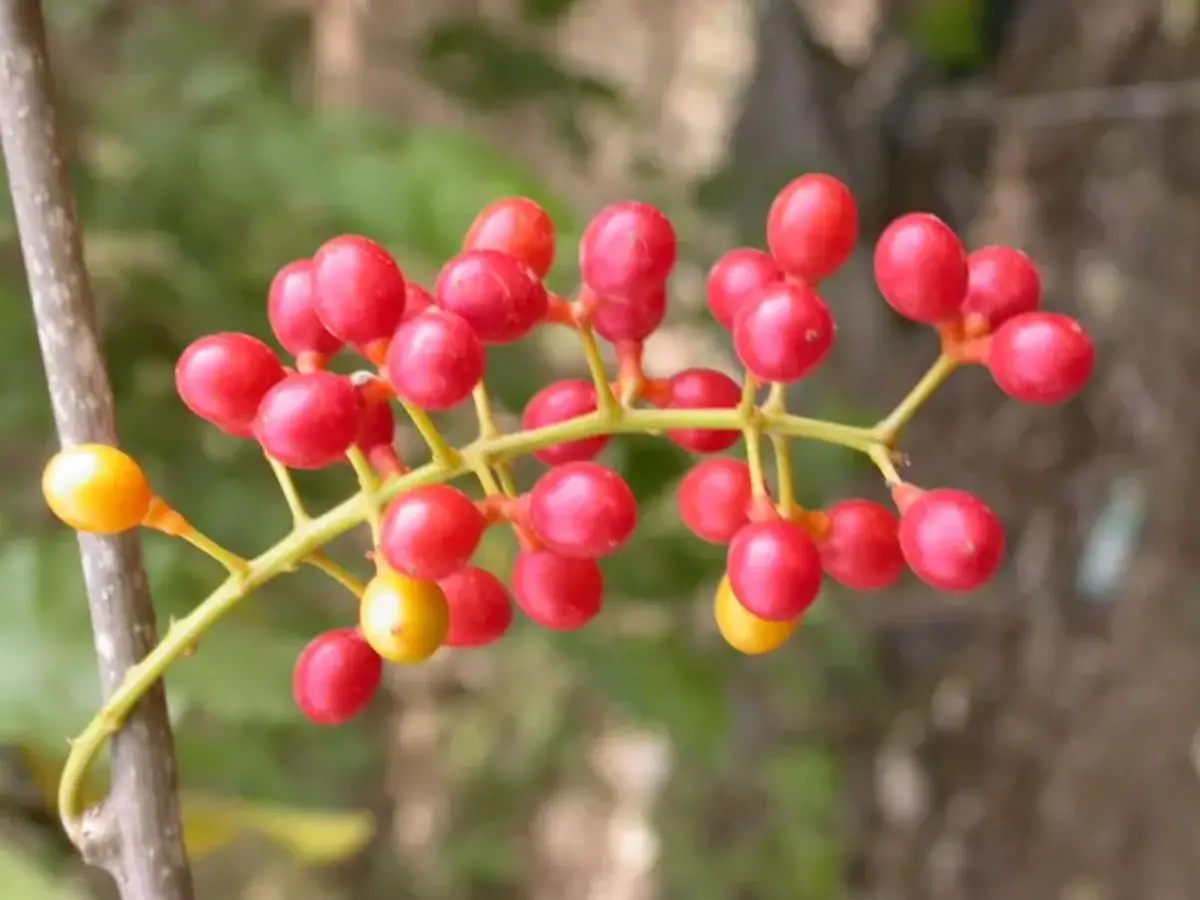
Hovenia dulcis, commonly known as the Japanese Raisin Tree or Oriental Raisin Tree, is a deciduous tree native to East Asia prized for its sweet, edible fruit stalks and ornamental value. The species has an extremely hard seed coat that severely inhibits germination, requiring mechanical or chemical scarification to achieve reliable results. With proper seed treatment and warm, moist conditions, seedlings can emerge within 1-4 weeks, though germination may extend up to one year.
Before sowing
Seeds possess physical dormancy only with an extremely hard, impermeable seed coat. Scarification is essential for consistent germination. Hot water soaking (3-4 days) is a practical alternative to acid treatment.
Sowing
What to expect
Tips
After scarification treatment, plant seeds in potting soil covered lightly with seed-raising mix, then cover containers with clear plastic and place in bright light at 18-22°C soil temperature. Keep substrate consistently moist but not waterlogged. Seeds germinate freely if sown fresh and immediately in a cold frame without pre-treatment. Once germinated, transplant seedlings into individual pots and grow under glass for their first winter. Harden off and plant out in late spring after the last frost, providing winter protection for young plants for their first 2-3 years. Patience is essential—germination can be very slow or sporadic, sometimes taking several months to a year.
Sources: Sheffield's Seed Company, PFAF Plant Database, Green Harvest, World Agroforestry Database, MDPI peer-reviewed research on H. dulcis germination requirements