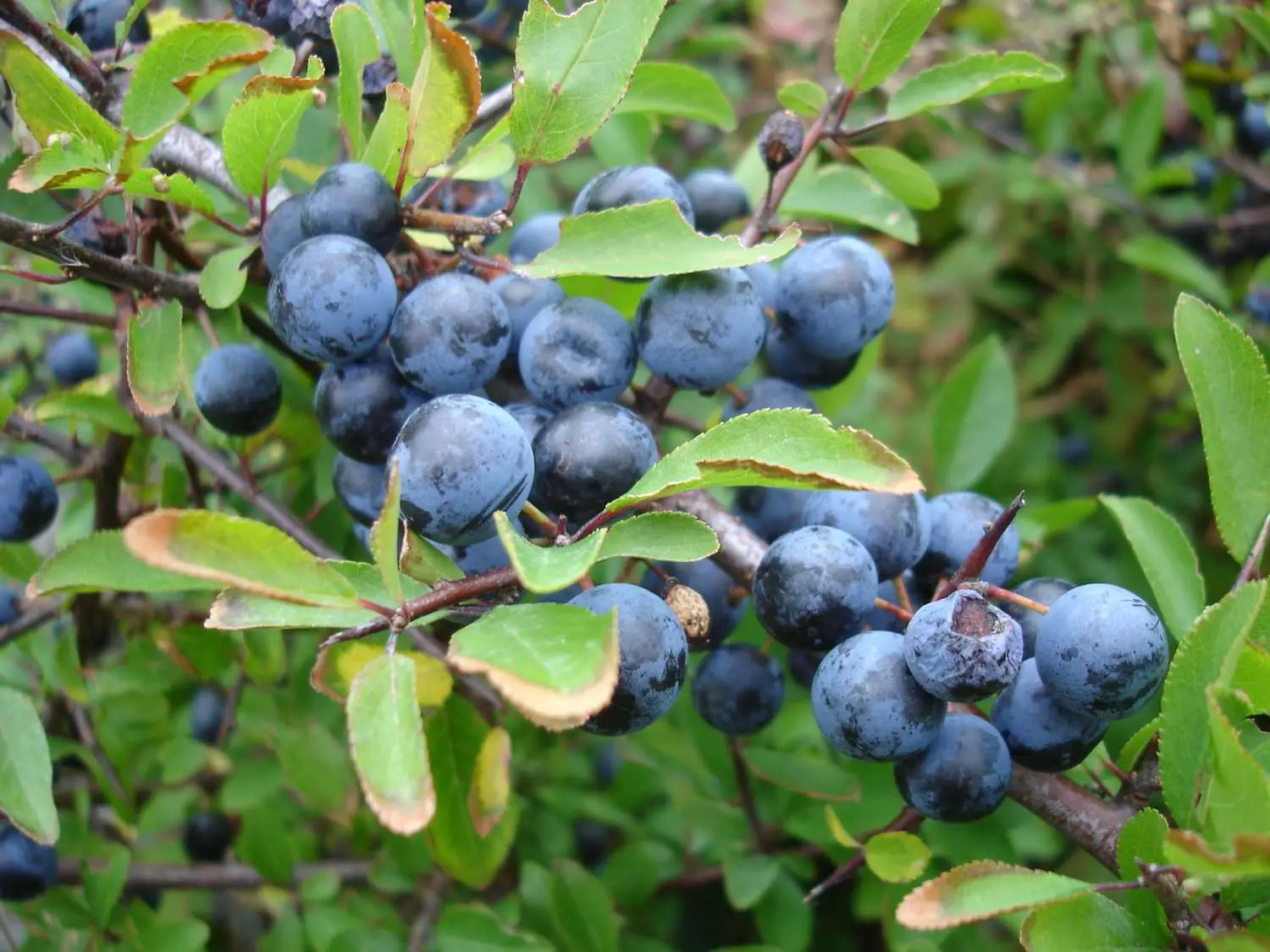


Hippophae rhamnoides, commonly known as sea buckthorn or seaberry, is a hardy, deciduous shrub native to cold-temperate regions of Europe and Asia. Seeds exhibit deep dormancy requiring cold stratification to germinate successfully. When properly pretreated with scarification and 90 days of cold, moist stratification at 4°C, germination rates of 75-90% are achievable, making it a moderately difficult but rewarding species to propagate from seed.
Before sowing
Combine mechanical scarification with 24-hour soaking, followed by 90 days of cold moist stratification at 4°C. Some sources report that 60-90 days cold stratification is sufficient. Alternative: direct autumn sowing without prior treatment.
Sowing
What to expect
Tips
Scarify seeds mechanically on sandpaper, soak for 24 hours in room temperature water, then stratify in moist sand or peat at 4°C for 90 days in the refrigerator. Sow seeds shallow (5mm deep) in well-draining sandy loam and maintain consistent moisture. Germination occurs best at temperatures between 15-25°C and usually begins within 2-4 weeks after sowing. Fluctuating temperatures can enhance results. Seeds can also be sown directly outdoors in autumn without prior treatment—nature will provide the necessary cold period over winter. Plant multiple seedlings to ensure both male and female plants for berry production.
Sources: Research Gate, NYBG Mertz Library, PFAF Database, Strictly Medicinal Seeds, Forest Research UK, Korean Journal of Plant Resources, University extension publications