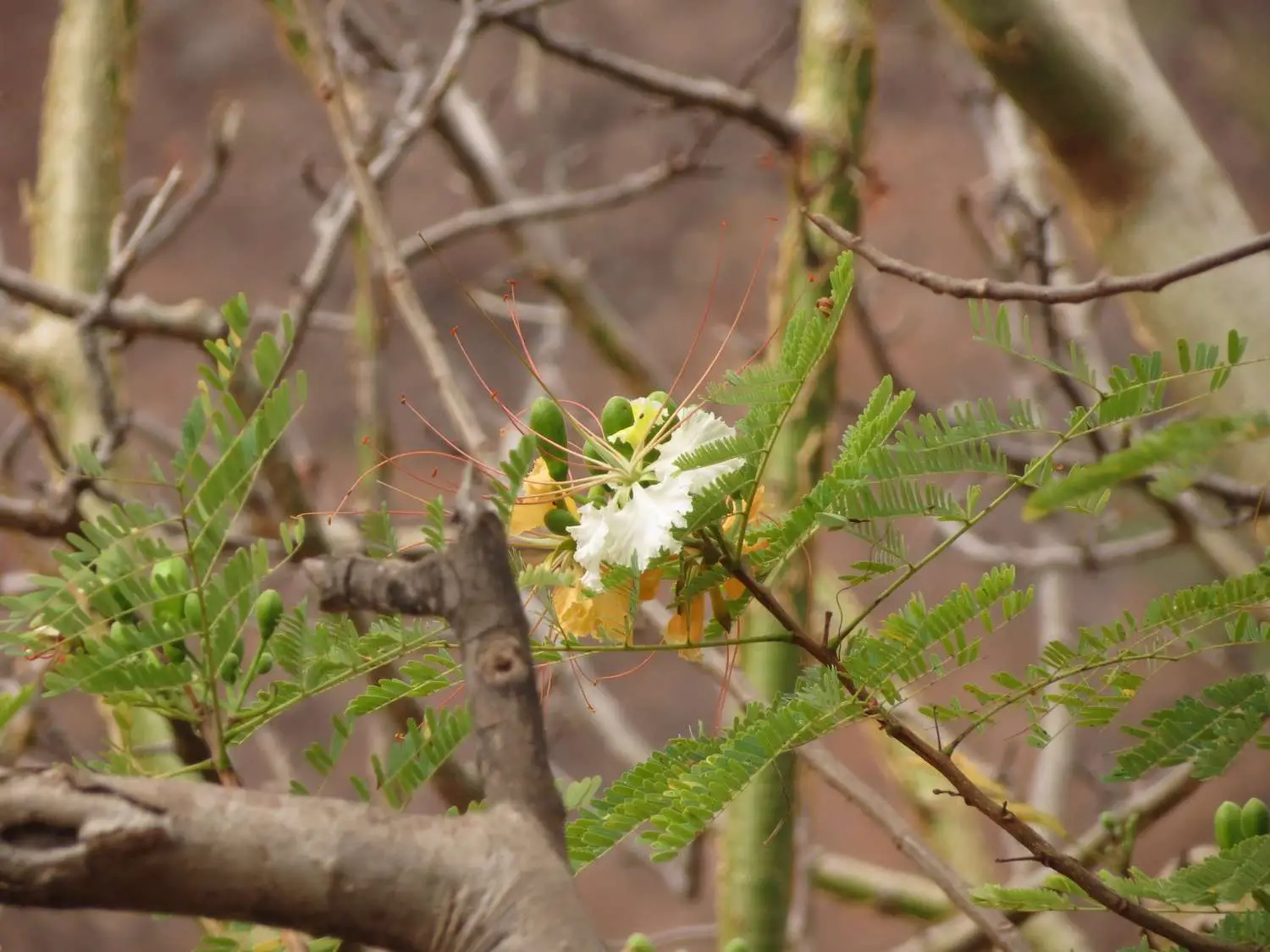
Gloriosa superba, commonly known as Flame Lily or Glory Lily, is a tropical climbing plant native to Africa and Asia, prized for its striking red and yellow flame-like flowers. All parts of the plant, especially tubers, contain high levels of the toxic alkaloid colchicine and are extremely poisonous if ingested. Seeds have dormancy and erratic germination, requiring specific pretreatment strategies to achieve viable seedling development.
Before sowing
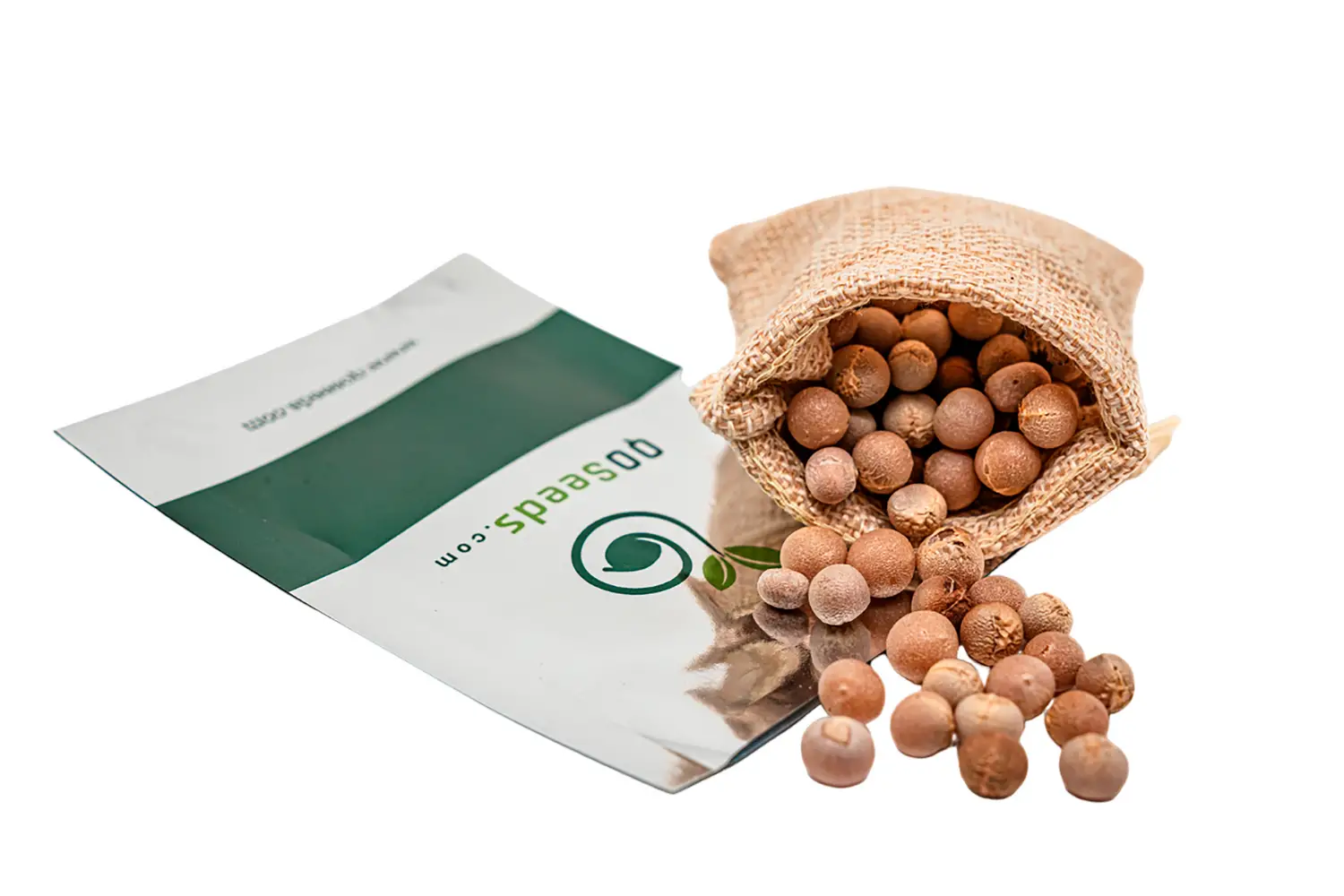
Place mechanically scarified and water-soaked seeds in moistened peat or sphagnum moss in a container at 20-25°C (68-77°F) for 2-3 months. Alternatively, store seeds in zip-lock bag with enriched peat substrate over warm location (back of refrigerator) for stratification period.
Sowing
What to expect
Tips
Mechanical scarification followed by 24-hour water soaking is essential—non-scarified seeds show dramatically lower germination rates. Seeds require warm temperatures (20-25°C) during warm stratification period; temperatures above 25°C reduce germination. Use fresh seeds; viability declines significantly after 2 years storage. Keep substrate moist but not waterlogged during germination. Germination is highly erratic, ranging from 14 days to 12 months, with some seeds remaining dormant for extended periods. Light is not required during germination. Seedlings are slow-growing and sensitive; provide bright, warm, sheltered conditions after germination. The species is National Flower of Zimbabwe and is increasingly monitored for conservation due to overharvesting.
Sources: Multiple horticultural extension resources, peer-reviewed seed germination studies, SANBI PlantZAfrica, Wisconsin Horticulture Extension, Royal Botanic Gardens Kew, Useful Tropical Plants Database