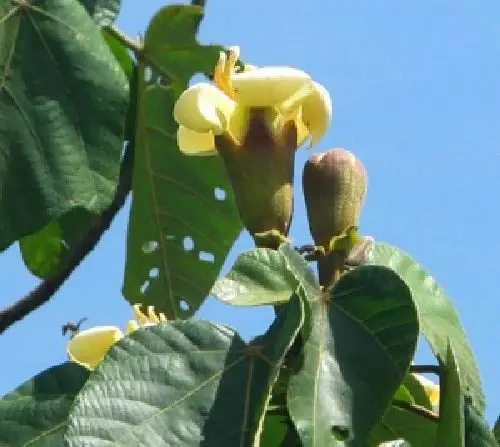
Ficus sycomorus, commonly known as sycamore fig or fig-mulberry, is a large fig tree native to Africa and the Middle East with a long history of cultivation since ancient times. Germination requires warm temperatures, high humidity, and consistent moisture, though seeds are often only viable after passing through animal digestive tracts in nature. With proper conditions, seeds typically germinate within 1-3 weeks, though cultivation success is moderate due to low viability in many seed lots
Before sowing
Many seeds are only viable after passing through the digestive tract of animals in the wild. Seeds exhibit no innate dormancy but require light, moisture, and appropriate temperature for germination. Scarification pretreatment may actually reduce germination rates compared to control
Sowing
What to expect
Tips
Maintain high humidity with misting and use a clear lid or humidity dome. Keep soil moist but never waterlogged; use a well-draining soil mix. Seeds need light to germinate, so use half-shade to full sun conditions. Avoid excessive mechanical or chemical scarification as research shows it reduces germination. Fresh seeds (less than 1 year old) germinate better. Transplant seedlings into individual pots when they develop 2-3 sets of true leaves or 5-7 leaves. Tree grows fast once established and can become quite large; prune early to encourage branching. Ensure good airflow to prevent fungal issues
Sources: growplants.org, Wikipedia (Ficus sycomorus), ploi.me, EarthOne, Useful Tropical Plants, FAO/AGRIS research on Ficus species germination, WorldAgroforestry database