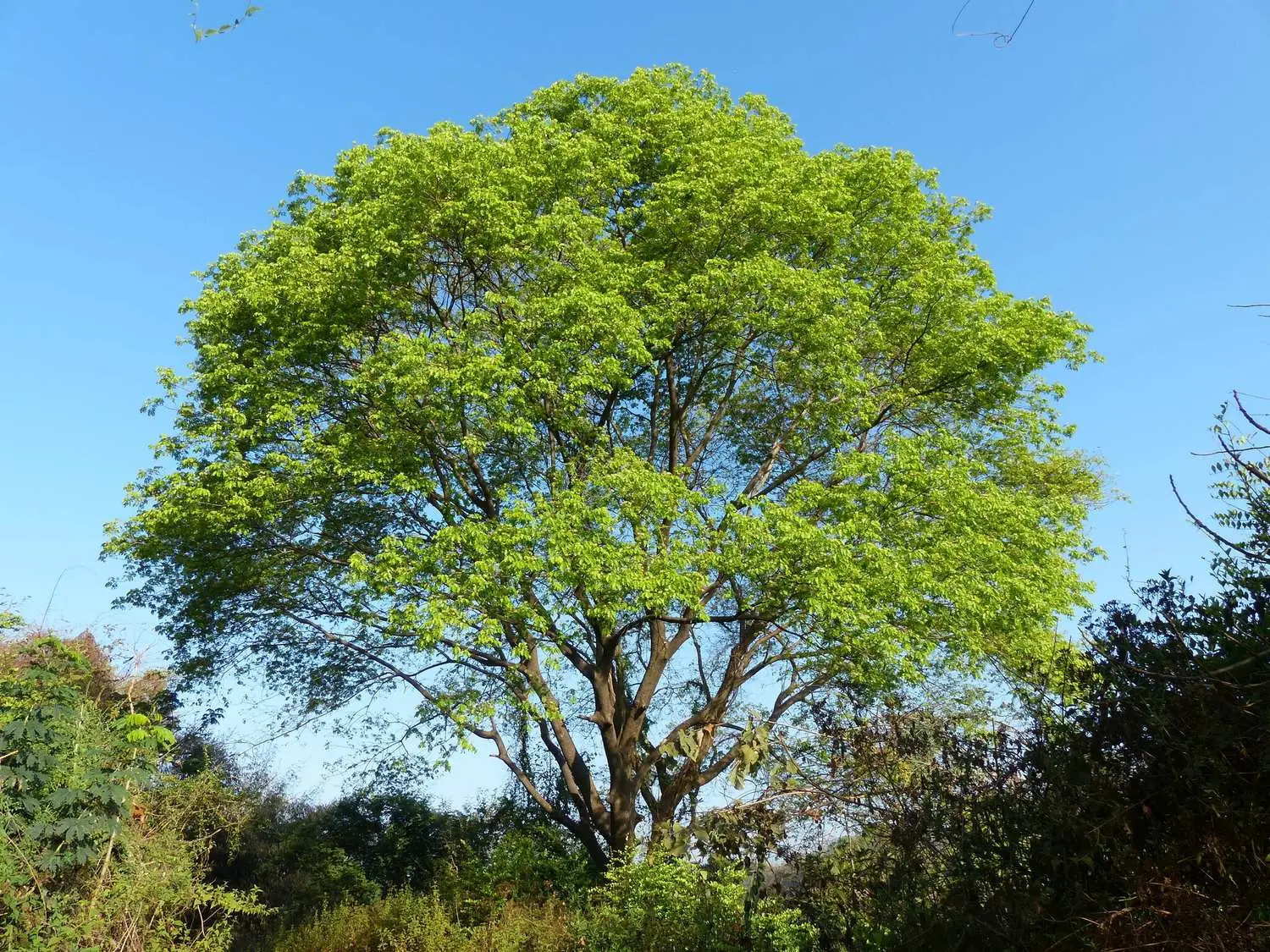
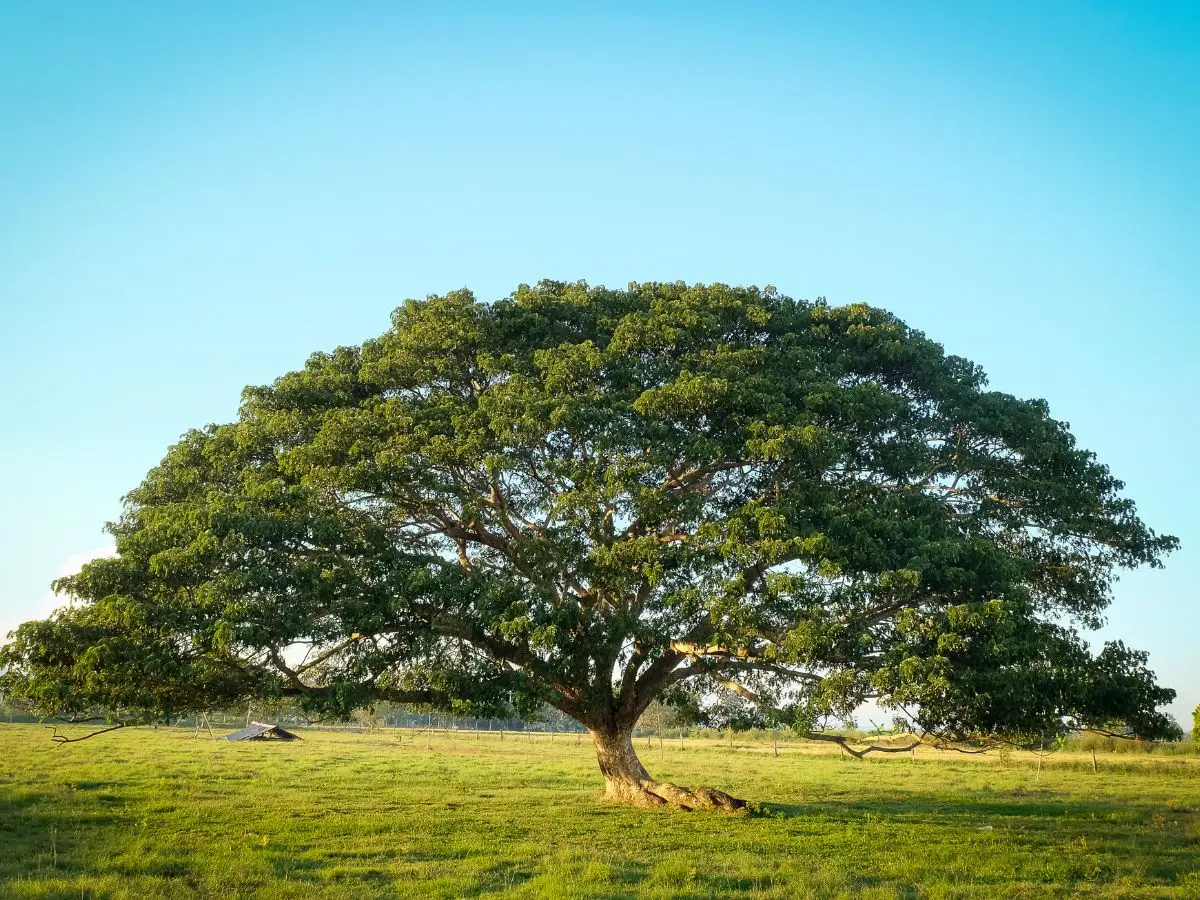
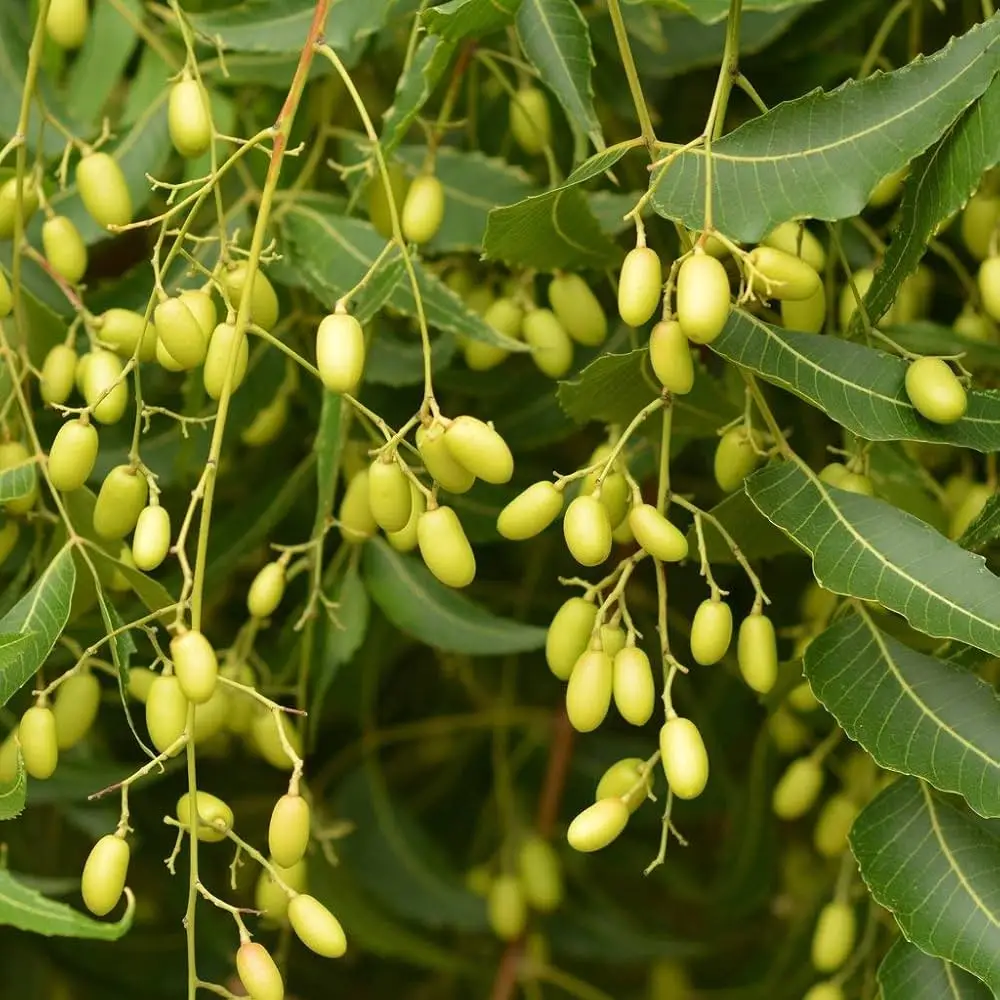
Ficus hispida, commonly known as the hairy fig or opposite leaf fig, is a small evergreen tropical tree native to Asia and northern Australia, recognizable by its distinctive hairy figs and leaves. Seeds are photoblastic (requiring light) and have intermediate difficulty for germination, requiring consistent warmth, high humidity, and light to achieve good germination rates of around 60%. This is a keystone species in tropical ecosystems, particularly valued as a pioneer species for forest restoration.
Before sowing
Hot water treatment or alternative dormancy-breaking methods are recommended. Ficus hispida seeds are gap-demanding and require warm temperatures with adequate light for germination
Sowing
What to expect
Tips
Use fresh seeds whenever possible, as Ficus hispida seeds are relatively short-lived. Sow seeds on the surface of soil and gently press for good contact - do NOT cover completely as light is essential for germination. Keep soil consistently moist throughout germination period; drying out will kill the seed embryo. Maintain a humid environment with the cover (leaving a corner uncovered for air circulation after germination begins). Remove cover gradually over 1-2 weeks once germination starts. Expect germination to begin around day 11-14, with peak germination by day 14. Seedlings can be transplanted once they have 2-4 true leaves. In tropical areas, this species prefers dappled, part-shaded locations and well-draining soil.
Sources: Chen et al. (2013) - American Journal of Botany; Journal of Soil, Plant and Environment (2025); The Seed Vine; Useful Tropical Plants Database; Viriar Tree Encyclopedia