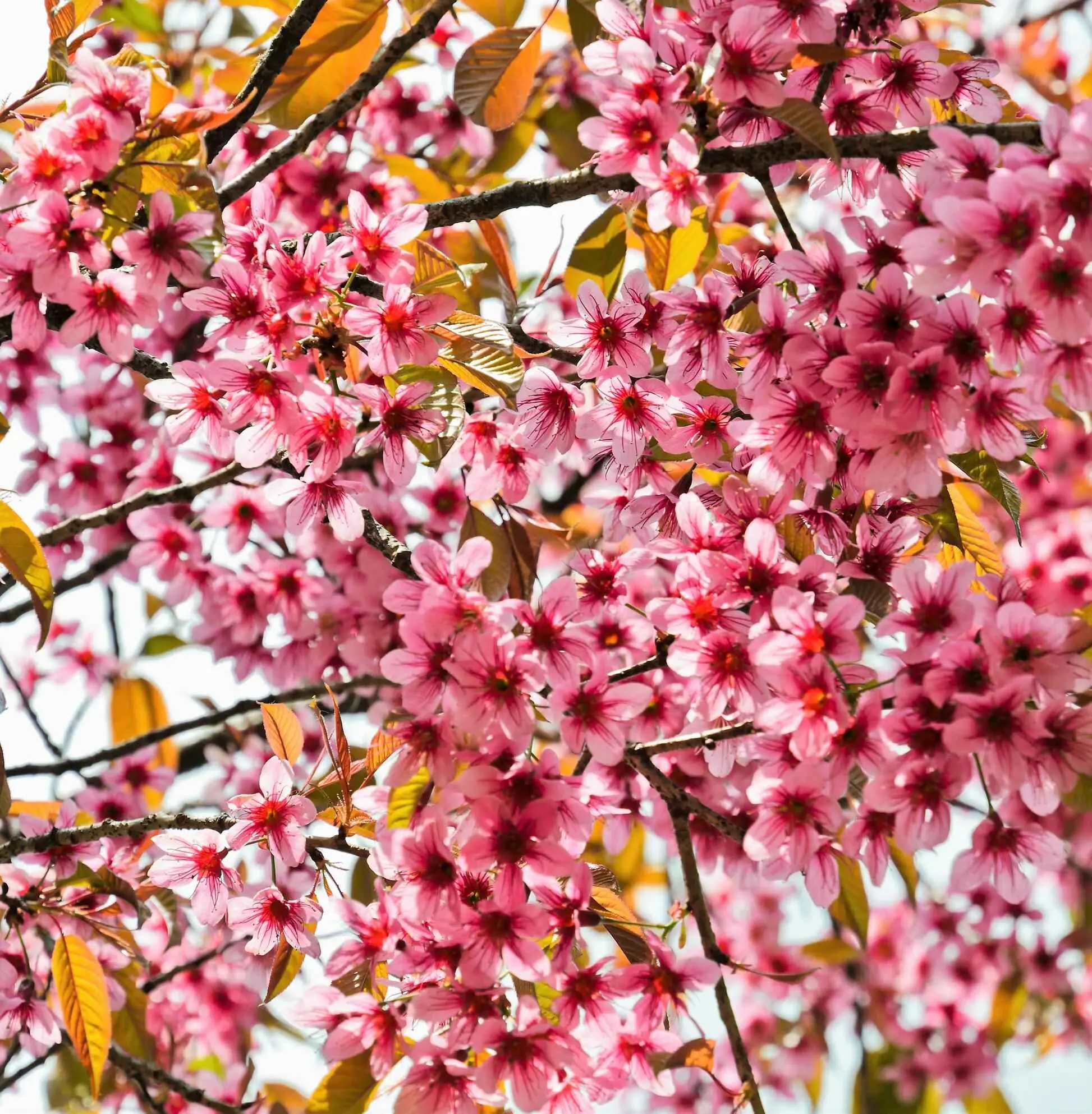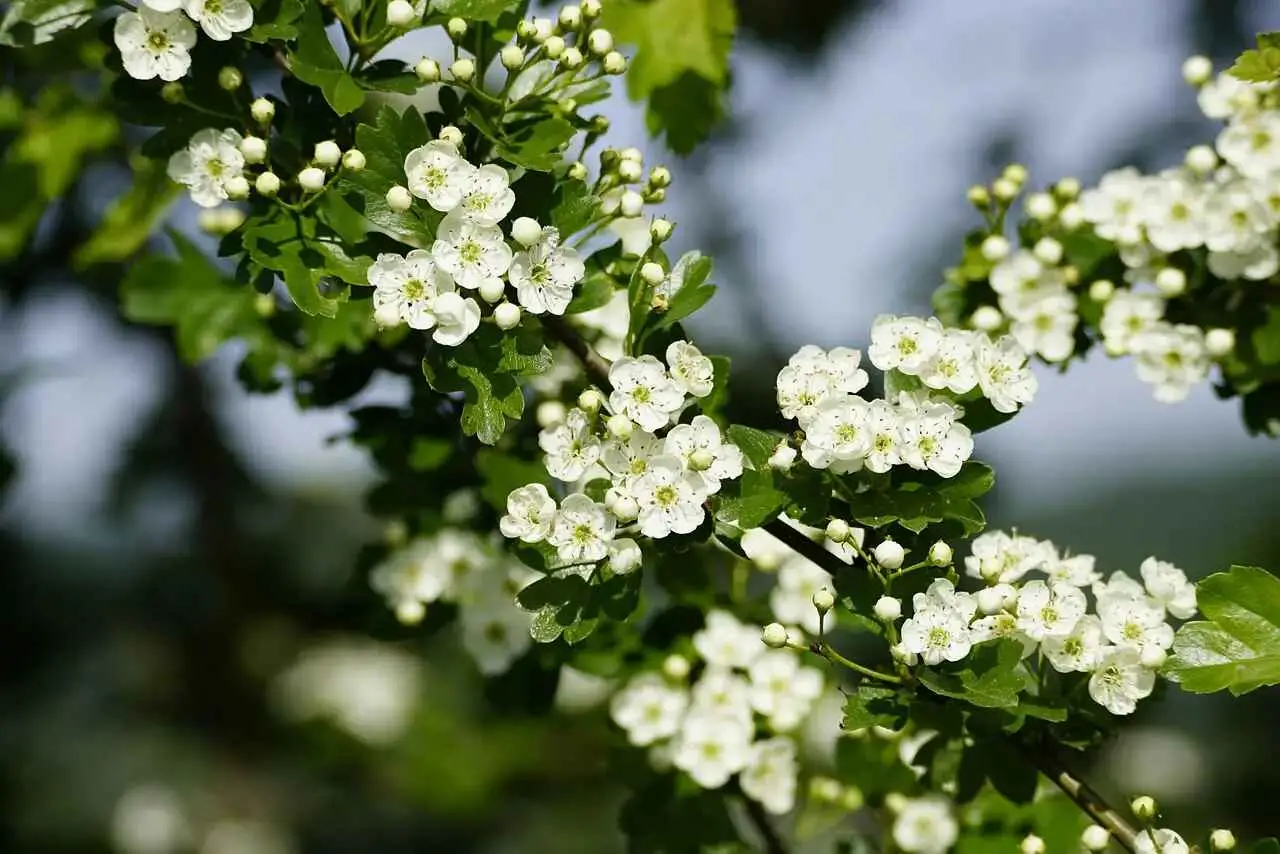

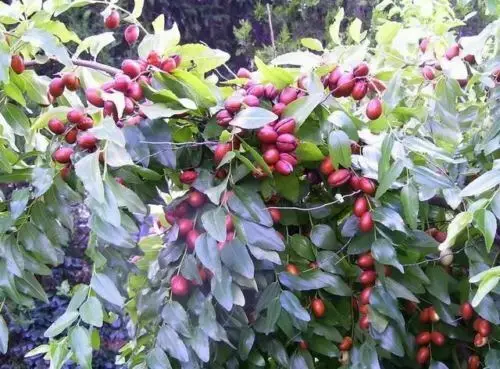

Hawthorn (Crataegus spp.) comprises over 380 species of shrubs and small trees in the Rosaceae family, native to temperate regions of the Northern Hemisphere. These ornamental plants produce fragrant spring flowers and colorful autumn berries that persist into winter, serving as important wildlife food sources. Hawthorn seeds possess deep dormancy requiring careful two-stage warm-cold stratification to break physiological and physical dormancy before germination can occur.
Before sowing
Two-stage stratification required: First stage warm stratification at 20°C (68°F) for 8 weeks in moist substrate to allow embryo development. Second stage: cold stratification in refrigerator at 4-5°C for 12-16 weeks (84-112 days) in moist but not wet medium. Use peat moss or sand substrate mixed with seeds in sealed plastic or ziplock bag with air exchange. Maintain consistent moisture throughout both stages
Sowing
What to expect
Tips
Substrate must be moist but not waterlogged—if water squeezes out, it is too wet and seeds may drown. Do not expose newly sown seeds to temperatures above 25°C as this may induce secondary dormancy. Allow for fluctuating temperatures for optimal results. Germination may continue for up to 5 years; sow ungerminated seeds again using the full stratification process. Keep seedlings weed-free and adequately watered. Roots develop rapidly—seedlings should not remain in nursery longer than 1 year before transplanting. Acclimate seedlings to outdoor conditions before final planting. Seeds collected fresh should be extracted from fruit immediately by macerating in water
Sources: Tree Seed Online (Crataegus monogyna), USDA Forest Service (Crataegus douglasii), Washington Native Plant Society, Siskiyou Seeds, University of Washington Propagation Protocol, research publications on Crataegus dormancy breaking