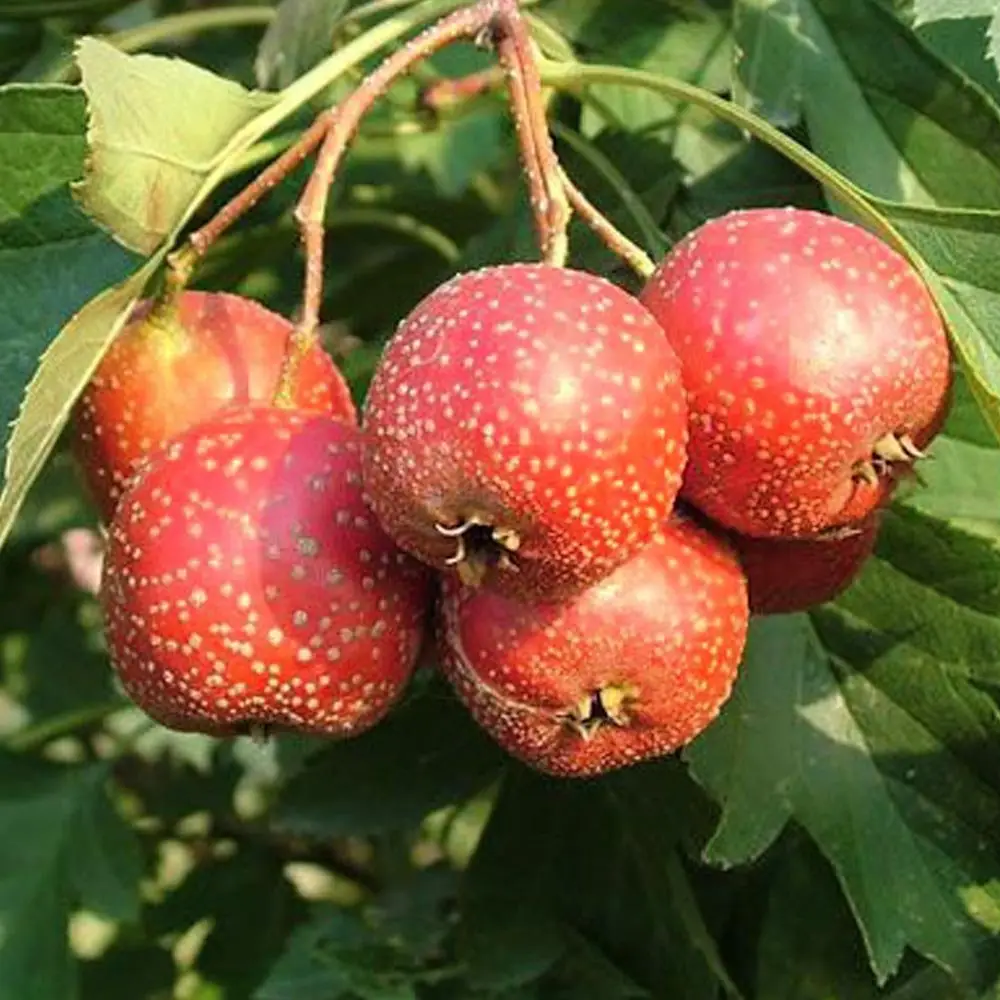


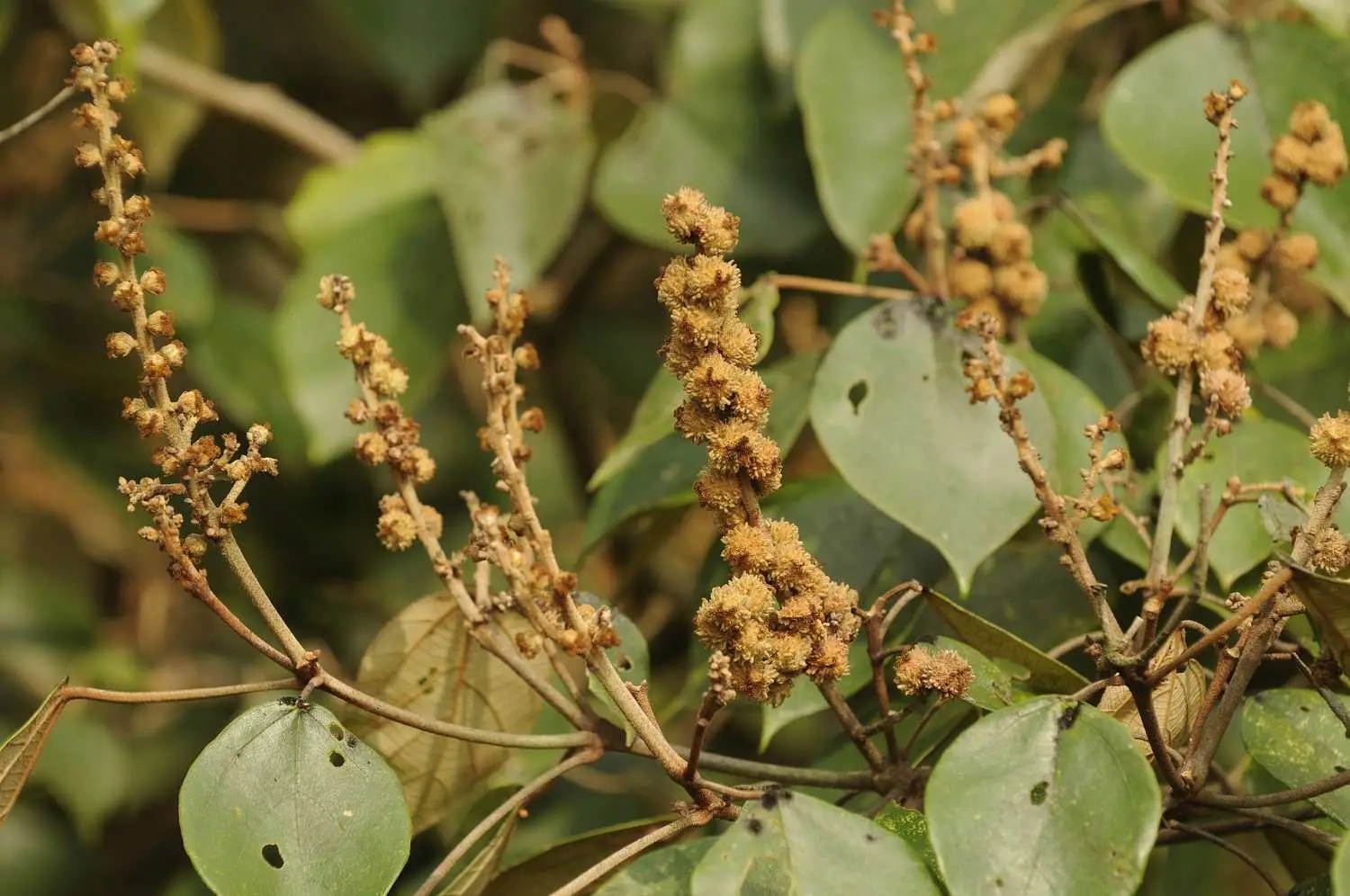
Crataegus songarica, commonly known as Songar Hawthorn, is an Asian hawthorn species native to Central Asia and the Himalayan regions. Seeds exhibit complex dormancy requiring both a stony endocarp and physiological embryo dormancy, necessitating careful pre-treatment and dual-stage stratification for successful germination.
Before sowing
Two-stage stratification process is essential. Stage 1: Warm stratification at 18-22°C for 60 days in humid medium to allow embryo development. Stage 2: Cold stratification at 4°C for 120 days in moist peat or sand. Maintain high humidity throughout; avoid waterlogging. Crataegus songarica has a hard stony endocarp that requires mechanical or chemical scarification to permit water penetration
Sowing
What to expect
Tips
Success requires patience and precise temperature management. Begin with warm stratification (18-22°C) for 60 days before transferring to cold conditions (4°C) for 120+ days. Do not allow substrate to dry out during cold stratification. Monitor for fungal growth and ensure good air circulation. Seeds may germinate slowly over several weeks after cold stratification ends. Newly germinated seedlings are sensitive to high temperatures (above 24°C), which can induce secondary dormancy. Harden off seedlings gradually before transplanting outdoors. Seedlings from seed typically require 5-8 years before bearing fruit.
Sources: Wikipedia (Crataegus songarica), Kew Science (Plants of the World Online), ResearchGate (Crataegus germination studies), University of Kentucky Horticulture (Crataegus propagation protocols), USDA Forest Service (Crataegus seed biology)