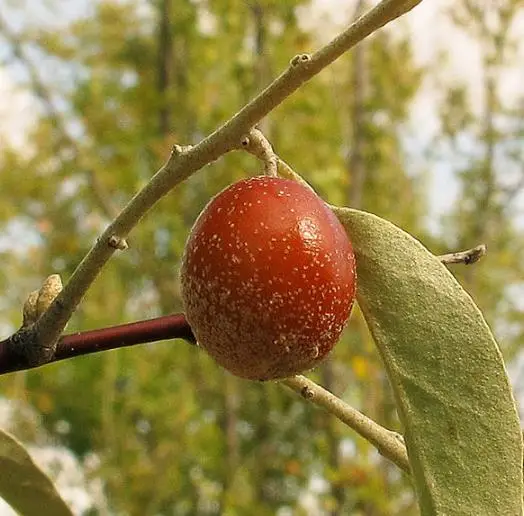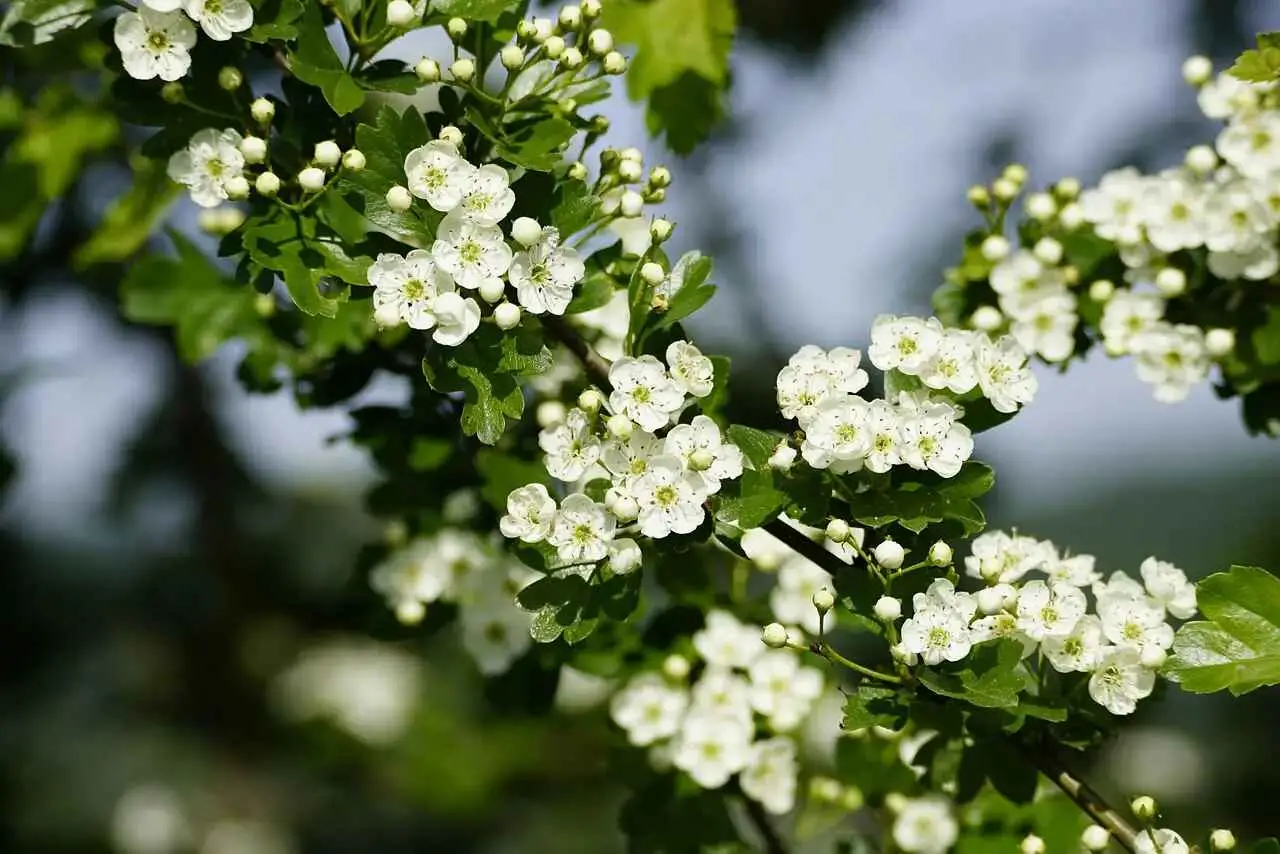
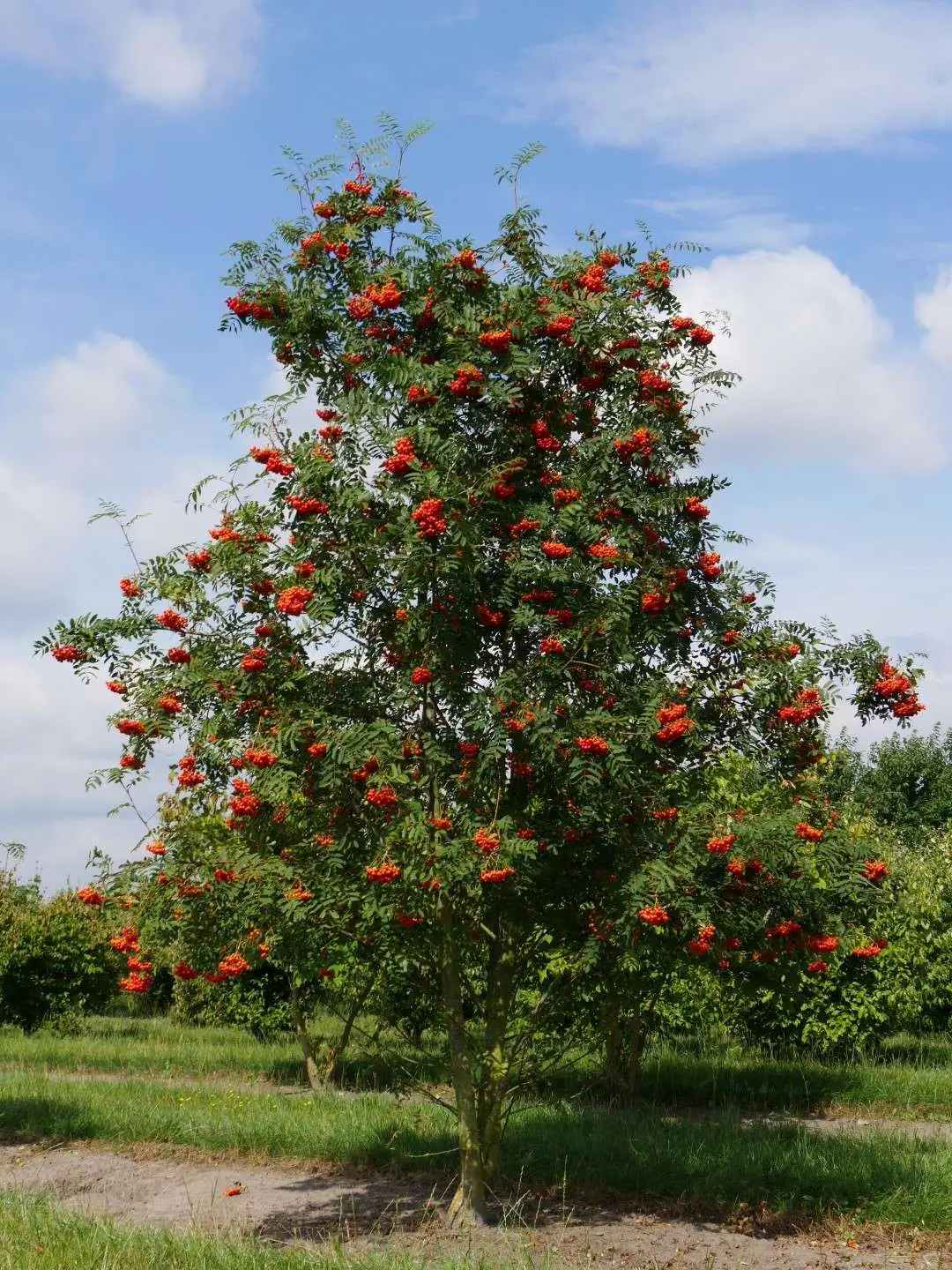
Crataegus pinnatifida, known as Chinese Hawthorn, is a deciduous tree native to northeastern Asia, valued for its edible bright red fruits and traditional medicinal uses. This species exhibits double dormancy, requiring a prolonged sequence of warm and cold stratification over several months to achieve satisfactory germination. Seeds are typically slow and erratic to germinate, and patience is essential as germination may take several months to over a year.
Before sowing
Double dormancy species requiring warm stratification at 15°C for 120 days (or 3 months), followed by cold stratification at 4°C (in refrigerator) for 120 days (or 3 months). Scarification before stratification may reduce germination time. Fermenting seeds in their own pulp for a few days may speed up the process.
Sowing
What to expect
Tips
Sow seeds at 1/4 inch depth (approximately 0.6 cm) and tamp soil gently. Keep substrate consistently moist but not waterlogged. Maintain high humidity during stratification phases by using semi-moist peat moss or sand. Light mulching of seed bed aids moisture retention. Germination may be irregular; allow ungerminated seeds a second year. Alternatively, sow fresh seeds in autumn directly in a cold frame outdoors, allowing natural winter stratification. Once germinated, pot up seedlings individually for the first growing season. Protect young plants from extreme temperatures and ensure good air circulation to prevent damping-off disease.
Sources: Plants for a Future (PFAF), Temperate Plants Database, Sheffield's Seed Company, Gardenia.net, Carolina Extension, Sejahtera Seeds