

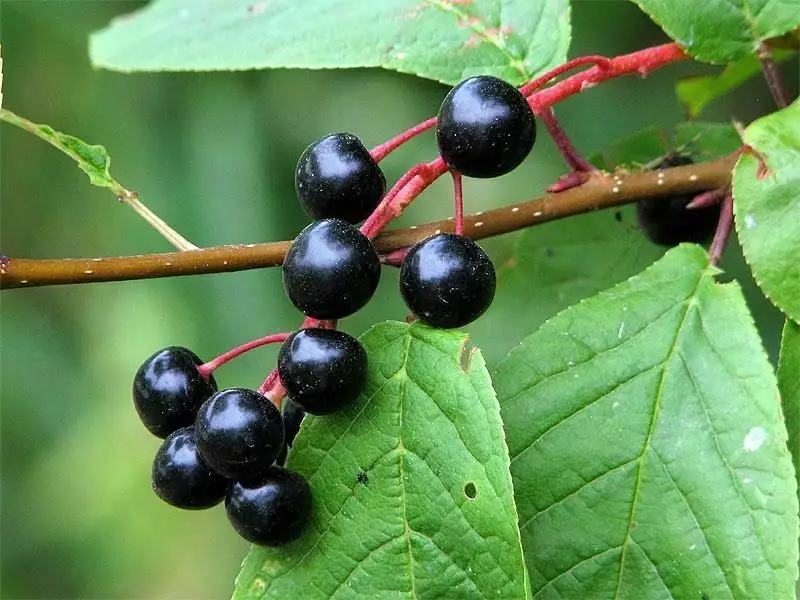
Crataegus monogyna, commonly known as common hawthorn, is a deciduous shrub or small tree native to Europe, northwestern Africa, and western Asia, valued for its ornamental white flowers, red fruits, and medicinal properties. This species exhibits complex seed dormancy with a hard stony endocarp and requires extended warm-cold stratification to germinate, making it challenging but highly rewarding to grow from seed. Seeds are slow to germinate, sometimes taking 12-18 months or longer, but show excellent viability once dormancy is properly broken.
Before sowing
Warm stratification for 16-20 weeks at 15-30°C followed by cold stratification for 16-20 weeks at 3-4°C. Germination may occur during cold stratification or after sowing.
Sowing
What to expect
Tips
Scarify seeds with sulfuric acid before stratification to improve germination rates. Stratification must follow warm-cold sequence: 16 weeks at 20-30°C then 16 weeks at 3-4°C in moist, well-draining substrate. Inspect seeds regularly during cold stratification and sow when about 10% have chitted. Keep substrate moist but never waterlogged. Sow seeds 3/8 inch deep, tamp soil, and mulch seedbed. Germination may occur in stratification or after spring sowing. Do not expose newly sown seeds to temperatures above 25°C. Ungerminated seeds can be re-stratified for additional germination cycles. Seedlings should not be left in seedbeds for more than 2 years without transplanting. No compost or high-nitrogen fertilizer is needed.
Sources: PFAF Plant Database, Tree Seed Online, Forest Research UK, Strictly Medicinal Seeds, Kheloufi et al. (2019) Reforesta journal, Bujarska-Borkowska (2002) Dendrobiology