

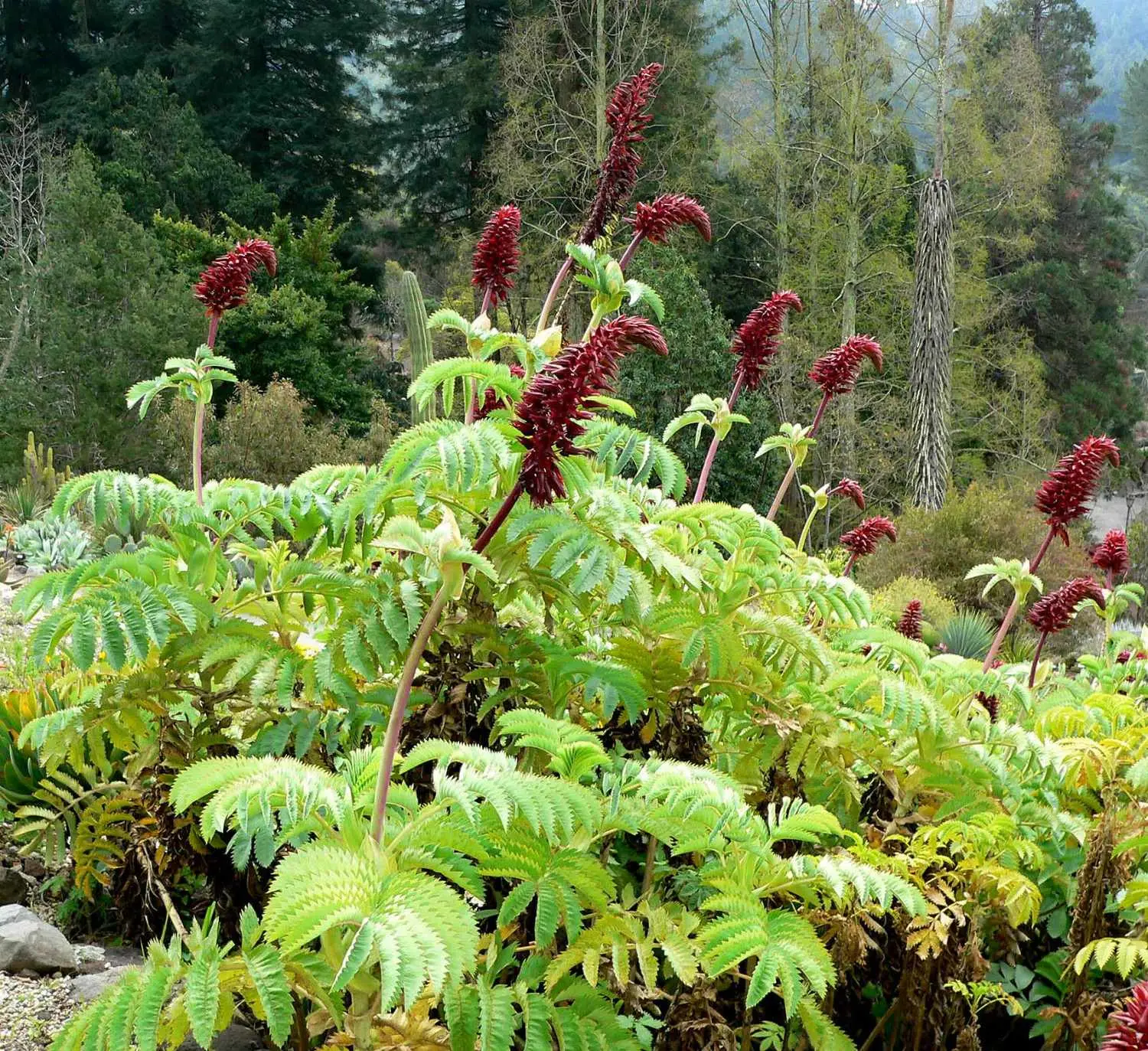
Corylus avellana, commonly known as common hazel or European hazel, is a deciduous shrub native to Europe and western Asia, widely cultivated for its delicious and nutritious edible nuts. The species exhibits seed dormancy and requires prolonged cold stratification (90-120 days at 4°C) to break physiological dormancy before germination can occur. Germination is slow, typically occurring in spring 4-6 weeks after stratification completion, and seeds demand cool conditions and consistent moisture throughout the germination process.
Before sowing
Optional: pre-soak in warm water for 48 hours before stratification. Sow immediately when germination is observed during stratification period.
Sowing
What to expect
Tips
Sow stratified seeds 1-2 cm deep in well-drained, sandy potting compost. Keep soil consistently moist but not waterlogged during germination. Maintain cool temperatures (15-21°C / 60-70°F). Germination may be erratic and extend several months. Check seeds weekly during stratification and sow immediately if radicles appear. Hazelnut seeds develop strong taproots; use deep containers to prevent root deformation. Outdoor direct sowing in autumn into mulched beds is a practical alternative to indoor stratification—seeds will germinate naturally in spring. Protect seedlings from rodent predation. Seedlings develop rapidly after emergence and should reach 10-20 cm within first weeks, then 50+ cm by season end.
Sources: PFAF, TreeSeedOnline, PlantWorld Seeds, Wikipedia, Propagate One, Missouri Botanical Garden, scientific literature on hazelnut stratification