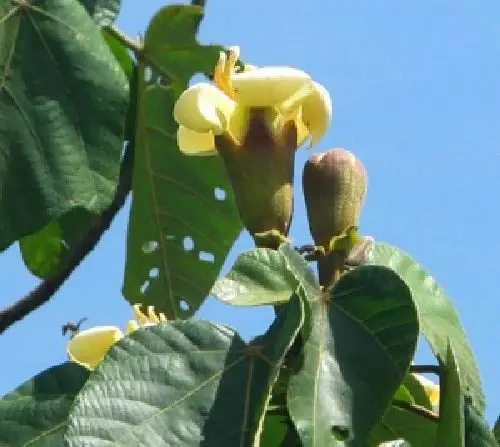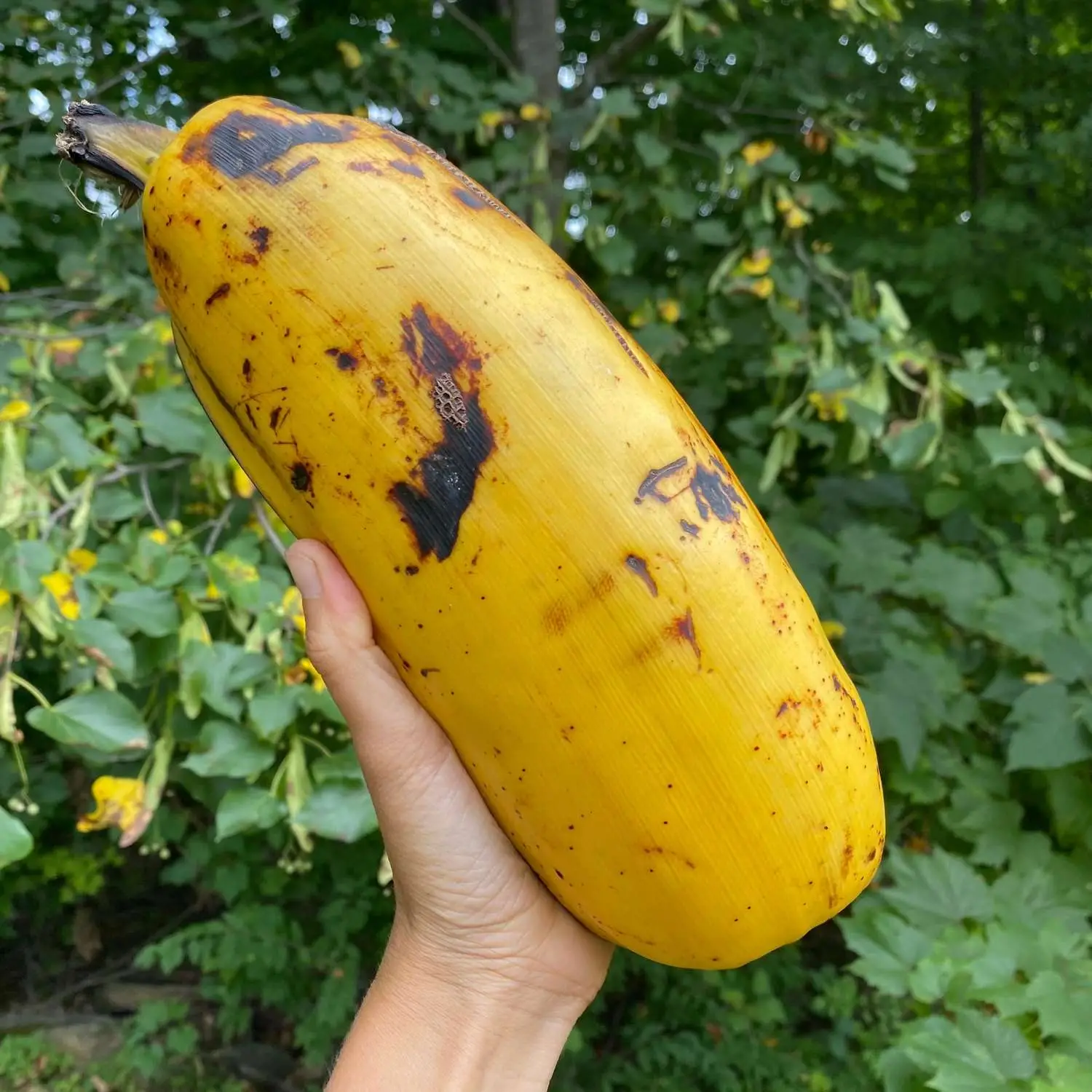
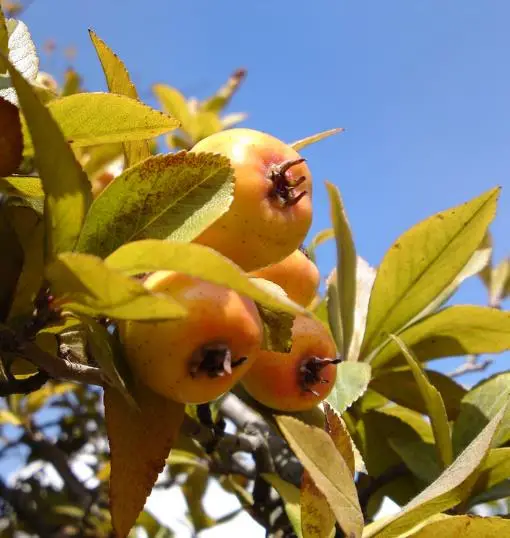
Carica lanceolata is an extremely rare, high-altitude papaya species native to the Andean highlands of Bolivia and Argentina, producing distinctive pear-shaped striped fruits. This evergreen to semi-evergreen small tree is adapted to cooler, high-elevation climates and exhibits remarkable frost tolerance compared to tropical papaya species. Seeds require warm temperatures and high humidity with excellent drainage; gibberellic acid treatment significantly enhances germination success.
Before sowing
No pre-treatment needed — sow directly.
Gibberellic acid (GA3) application can improve germination rates in Caricaceae species. Presoak seeds in GA3 solution (100-500 ppm) for 24 hours before sowing to overcome dormancy and increase germination percentage and uniformity.
Sowing
What to expect
Tips
Open pot daily for air exchange to prevent fungal issues in confined conditions and monitor substrate moisture. Seeds require light for optimal germination, so do not bury deeply; maintain slightly humid conditions throughout germination. Ensure temperatures remain between 22-28°C with 25°C being ideal. After germination occurs (typically 10-30 days), transfer seedlings to individual pots to prevent damping-off disease. Acclimate young plants gradually before transplanting to final location by exposing them to increasing periods of air circulation and moderate light. Watch for fungal development, which thrives in high-humidity confined spaces.
Sources: rarepalmseeds.com, quintadosouriques.com, tradewindsfruit.com, plantemania.net, gibberellic acid seed treatment research