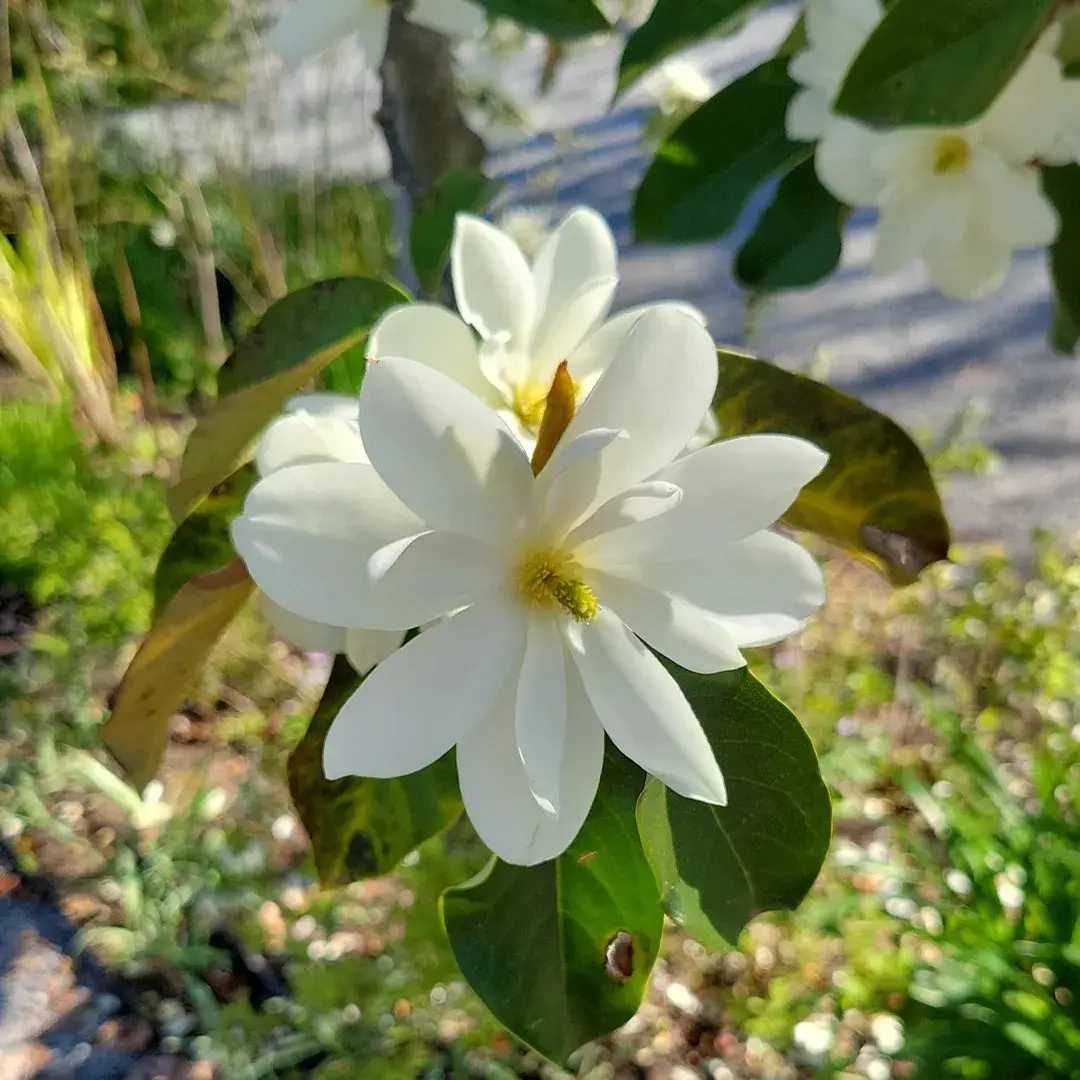

Cardiocrinum giganteum, commonly called Giant Himalayan Lily, is a bulbous perennial native to woodlands of the Himalayas, China, and Myanmar. Seeds possess deep simple morphophysiological dormancy with underdeveloped embryos requiring extended variable temperature stratification to overcome dormancy. Under natural conditions, germination takes 18-19 months, but specialized temperature cycling can reduce this to 5-6 months.
Before sowing
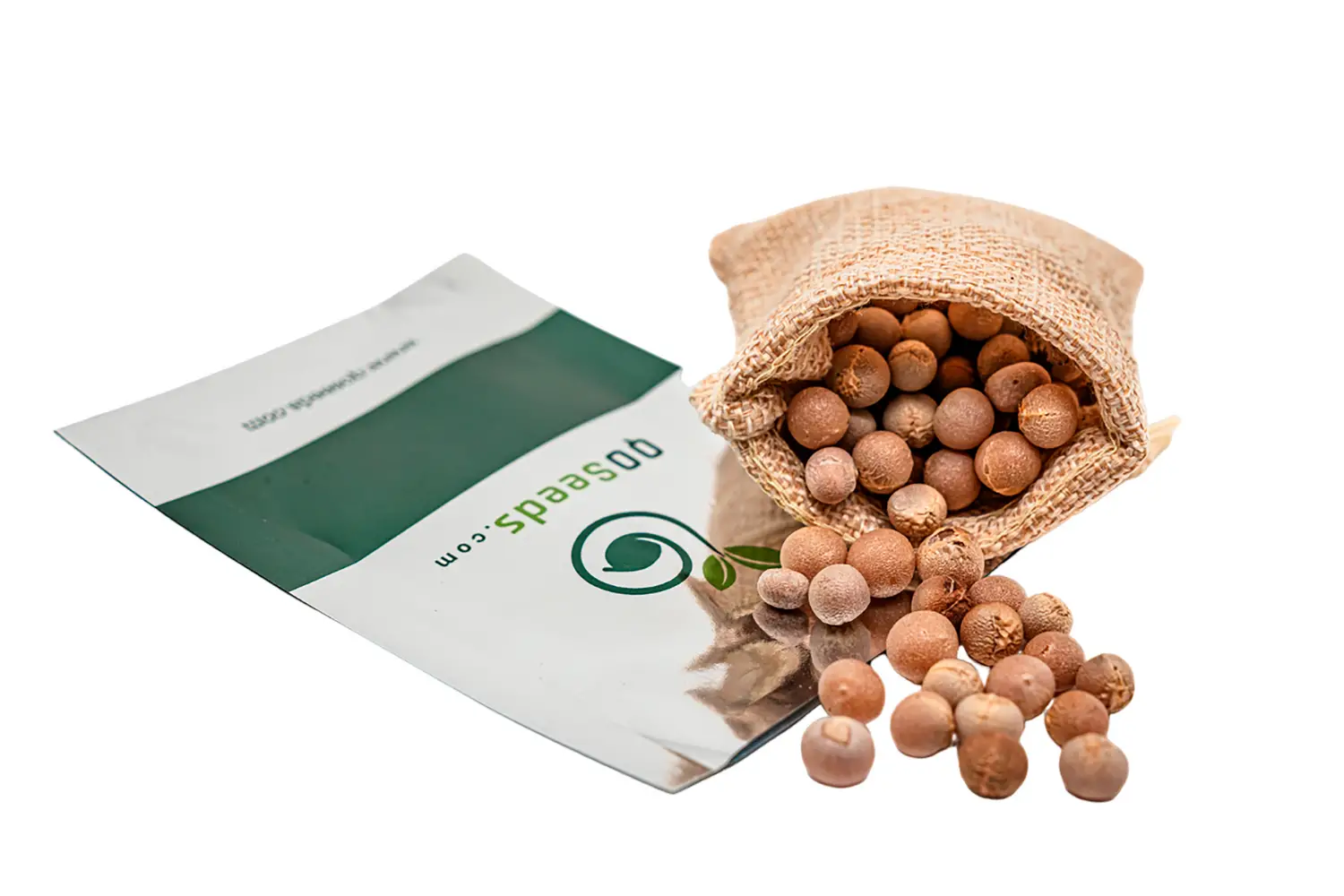
Sow seeds in moist potting mix in plastic bag at 13-18°C for 2-3 weeks. Transfer to refrigerator for 4-6 weeks cold stratification. Variable temperature stratification: 25/15°C (60 days) → 15/5°C (60 days) → 5°C (60 days) can shorten germination to 5-6 months. Seeds have underdeveloped embryos requiring extended stratification period.
Sowing
What to expect
Tips
Do not apply artificial heat as it prevents germination. Keep seeds continuously moist but not waterlogged after stratification begins. Germination can extend 1-2 years depending on seed maturity and stratification effectiveness. Fresh seeds sown immediately after dispersal may germinate sooner than stored seeds. Keep seed trays undisturbed; germination may occur in second year. Seedlings prefer partial shade and rich, moist soil similar to hosta growing conditions. Plants reach flowering size 5-7 years from seed. Species is intolerant of hot, sunny exposures where foliage burns.
Sources: Pacific Bulb Society, Frontiers in Plant Science, Ecological Research, VIRIAR, Springer, Plant World Seeds, Redhall Propagation