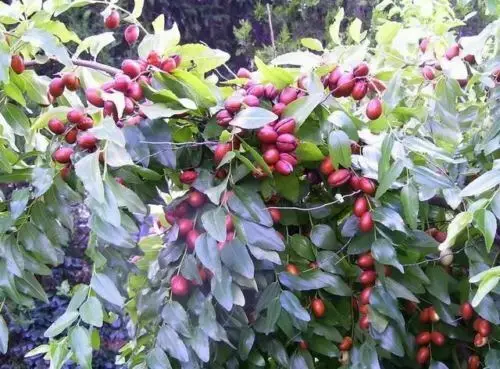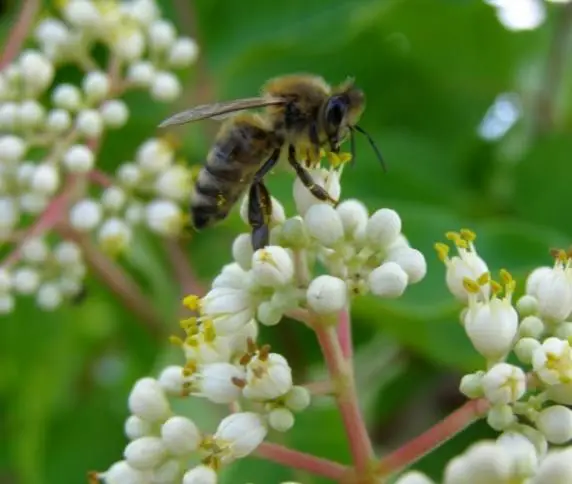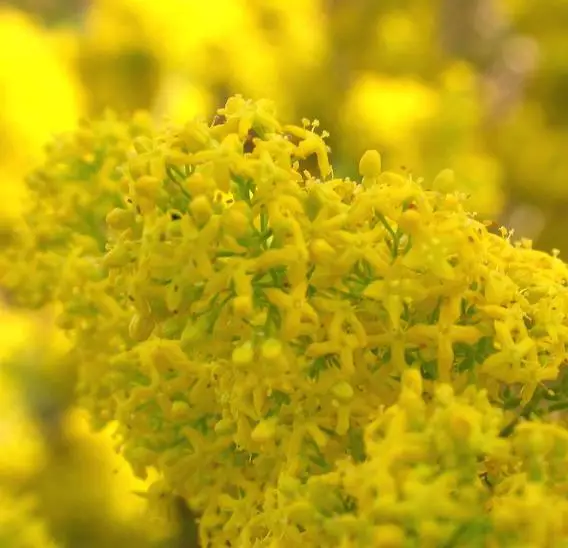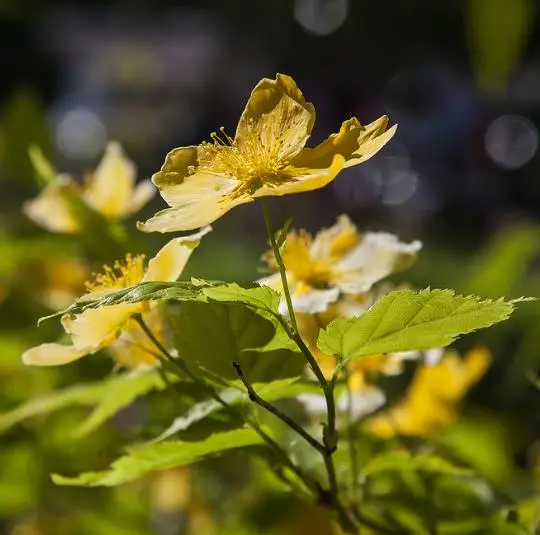
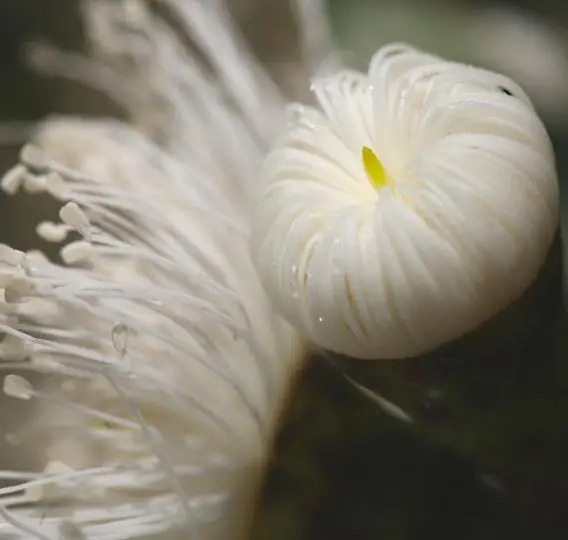
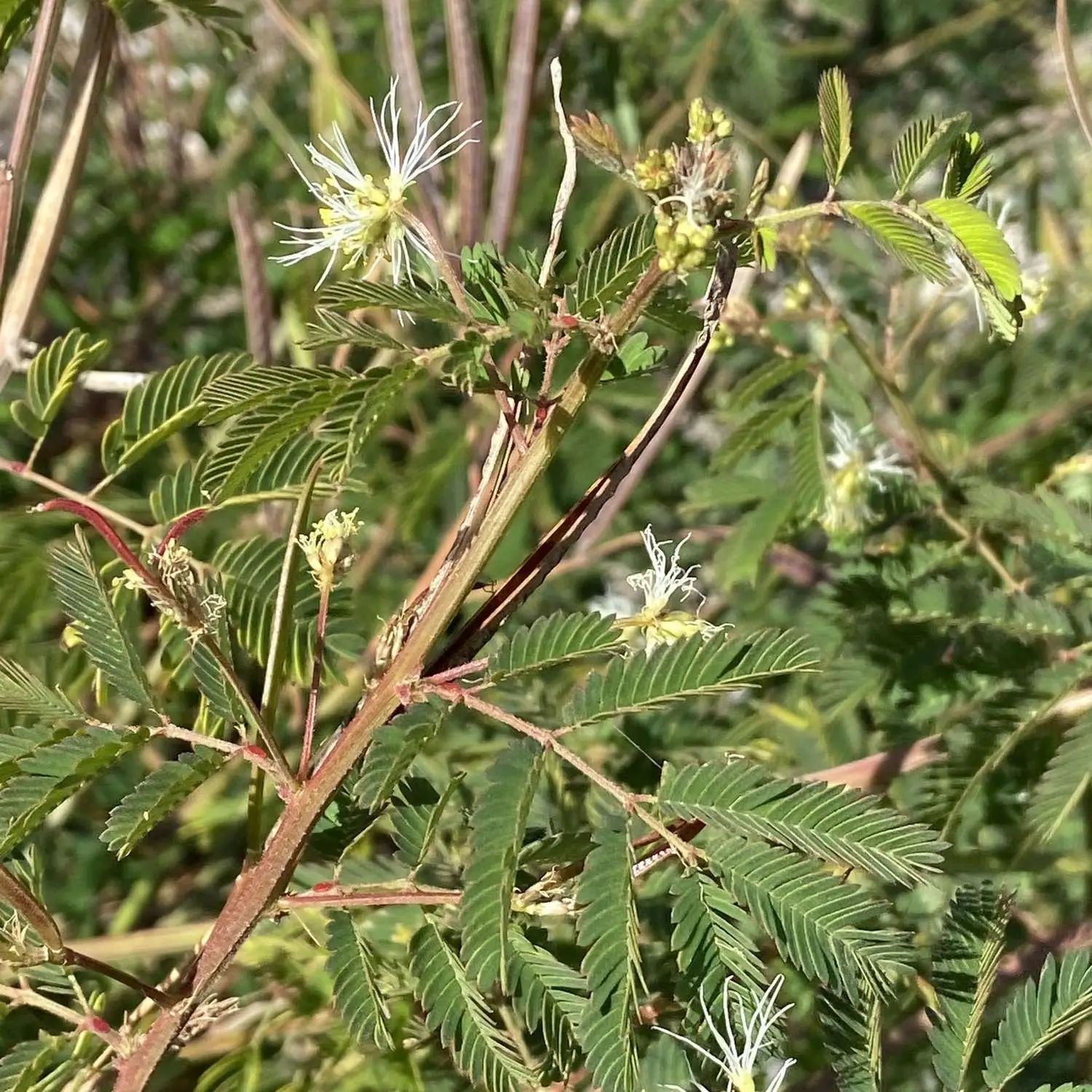
Capparis spinosa is a Mediterranean perennial shrub highly valued for edible unopened flower buds (capers) and caper berries. Propagation presents serious challenges due to combined physical and physiological seed dormancy, resulting in naturally low germination rates without proper treatment
Before sowing
Seeds have physiological and/or physical dormancy. GA3 (gibberellic acid) 100-400 ppm application critical for high germination rates (87-95%). Fresh seeds germinate more readily than dried/stored seeds. Multiple treatment options: H2SO4 scarification followed by GA3 soaking; cold stratification 65-70 days; or GA3 addition to substrate
Sowing
What to expect
Tips
Fresh seeds germinate much better than dried/stored seeds (90% vs 6% for commercial lots). Multiple dormancy-breaking treatments available. Best approach: warm water soak (110-115°F, 12-24 hours) + 65-70 day cold stratification + second warm water soak + GA3 addition to substrate or seeds. Avoid overwatering seedlings; keep soil lightly moist. Germination slow and erratic even with treatment; sporadic emergence over 3+ months typical. Plant does not flower for 2-3 years minimum
Sources: PMC NIH (Foschi et al., 2023); MDPI (Pascual et al., 2020); Indian Journal of Agricultural Sciences (Bhoyar et al., 2010); Purdue University Horticulture; Gardener's Path; Wisconsin Extension; ResearchGate studies on dormancy breaking treatments