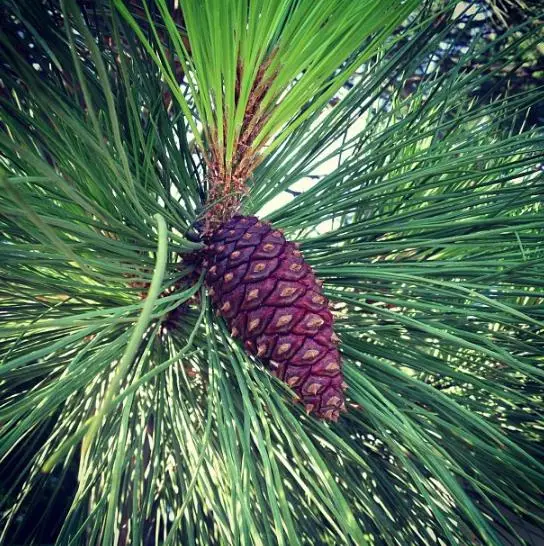
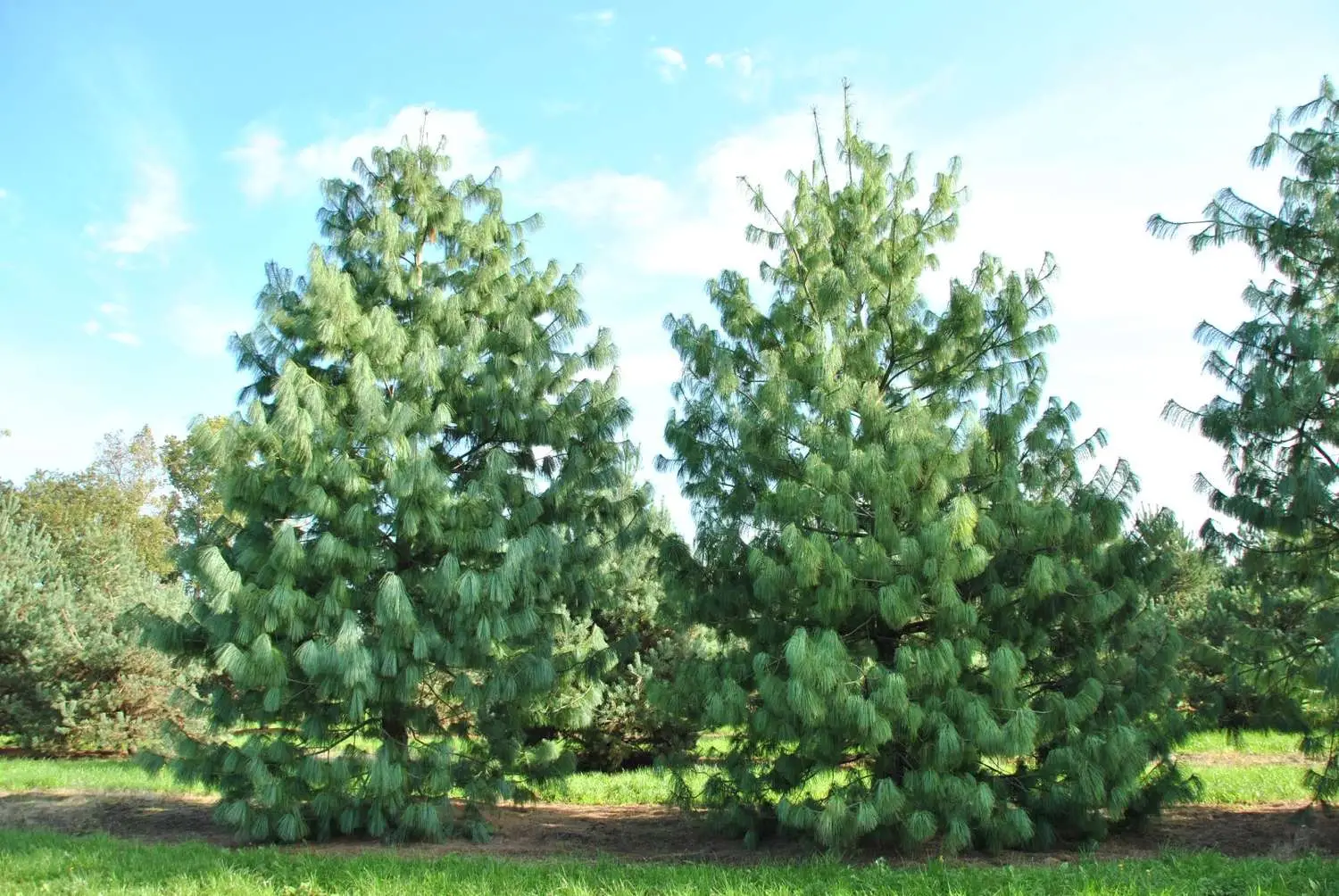
Calocedrus decurrens, commonly known as California Incense Cedar, is an evergreen conifer native to western North America with aromatic, cedarwood-scented foliage and decay-resistant wood. Seeds germinate moderately well under controlled conditions with cold stratification for 30-60 days at 37-41°F (3-5°C), achieving germination rates typically ranging from 20-40% in field conditions and up to 98% under optimal laboratory conditions. This species requires patience as seedlings develop slowly but establish extensive, deep root systems.
Before sowing
Cold stratification for 30-60 days at 37-41°F (3-5°C) improves germination. Standard treatment is 56 days at 3-5°C. No scarification required. Sow stratified seeds in early spring in greenhouse or well-drained seed beds.
Sowing
What to expect
Tips
Sow cold-stratified seeds 1/8 inch deep in spring in greenhouse or cold frame. Tamp soil lightly and mulch seed bed with bark or pine needles to maintain moisture and regulate temperature. Germination typically occurs within 7-21 days at 68°F (20°C). Grow seedlings in light shade during their first year. Water regularly to keep soil moist but never waterlogged, as seeds are sensitive to excessive moisture. Transplant to individual pots when seedlings develop true leaves. Plant in well-drained, fertile soil in full sun to partial shade after last frost. Avoid disturbing roots during transplanting. Mulch with bark or pine needles and water regularly during establishment. Once established, trees develop drought tolerance.
Sources
Lady Bird Johnson Wildflower Center (wildflower.org), USDA Forest Service Silvics Database, Sheffield's Seed Company, University of Texas, USDA Forest Service Incense-Cedar Propagation Protocol