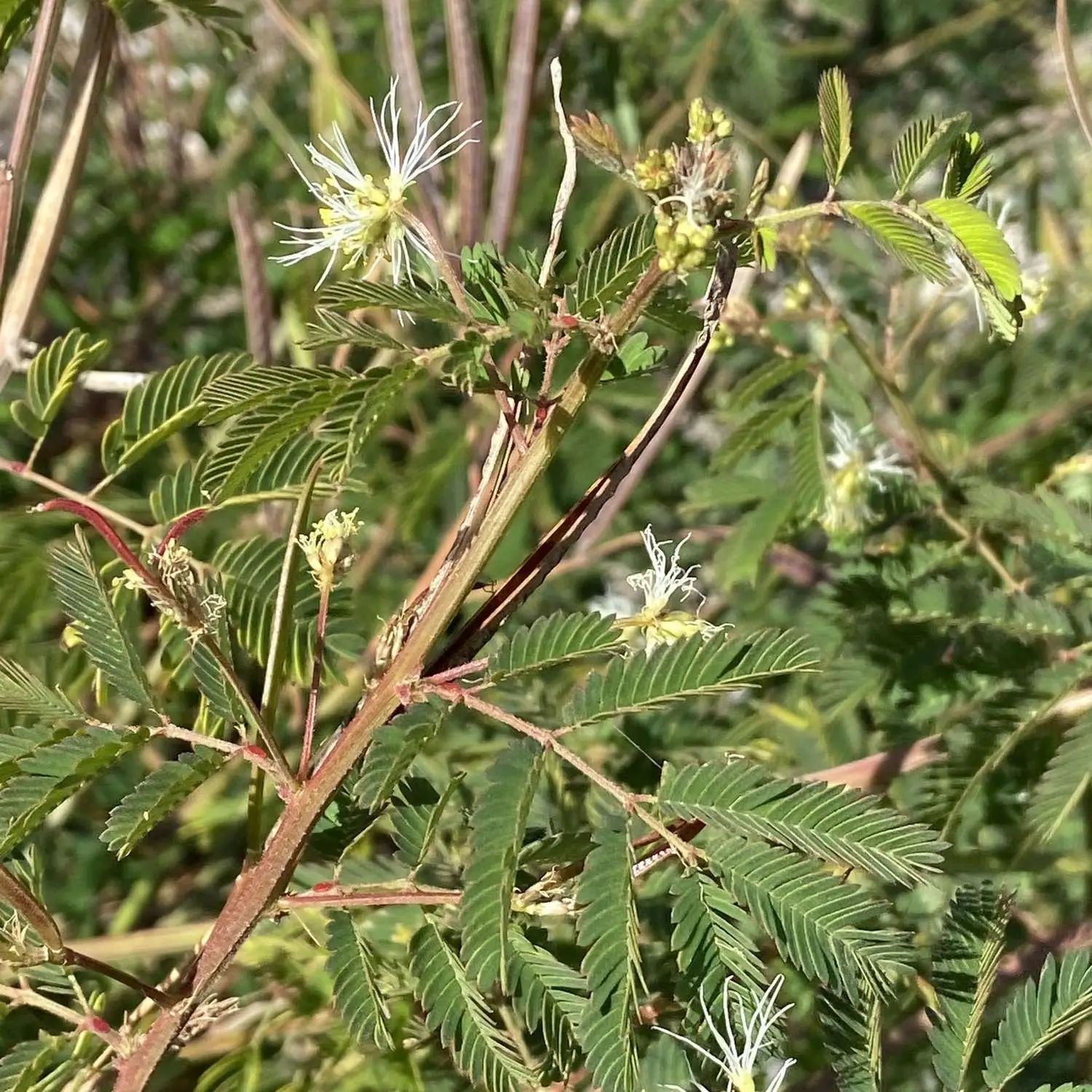
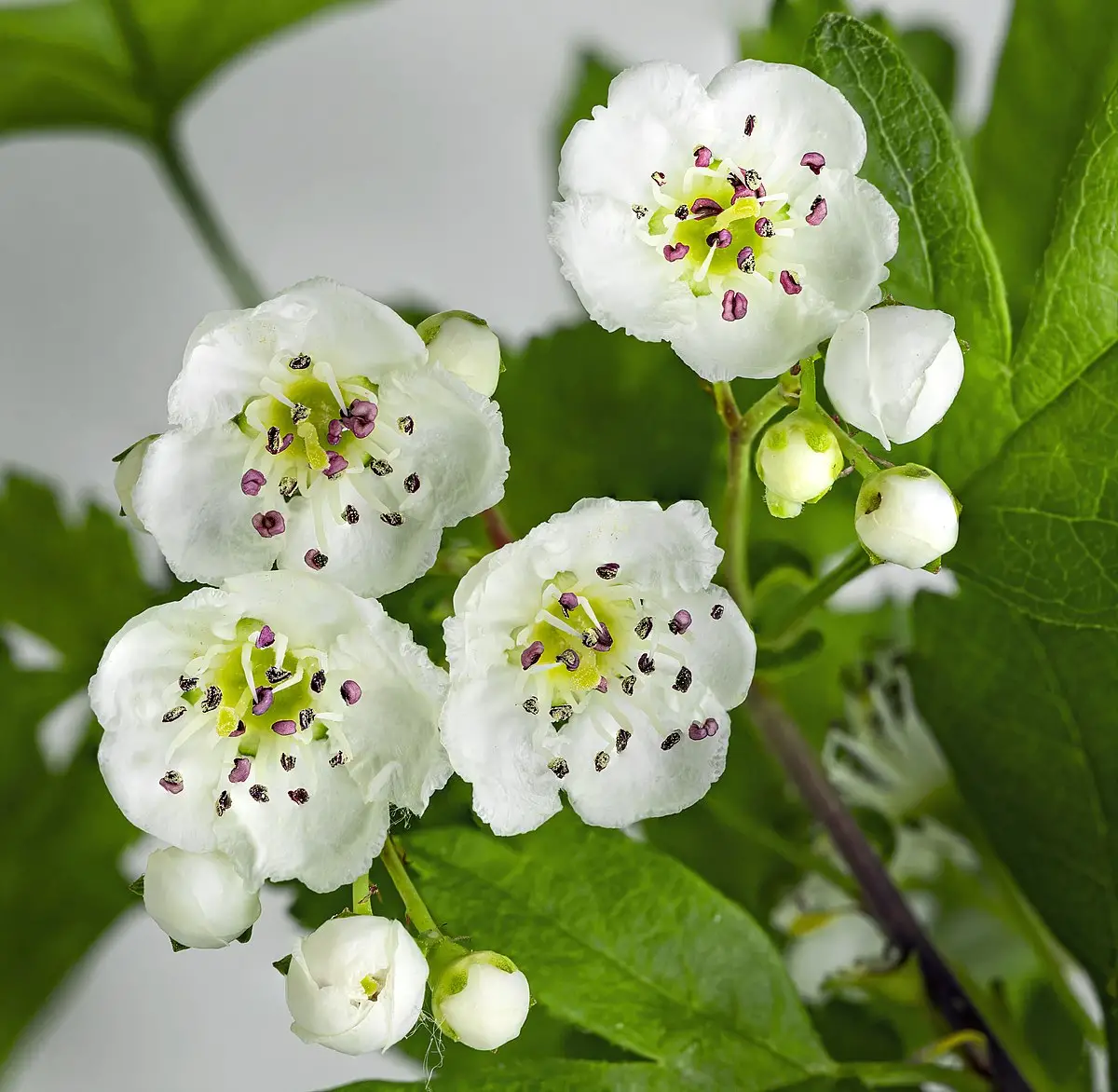
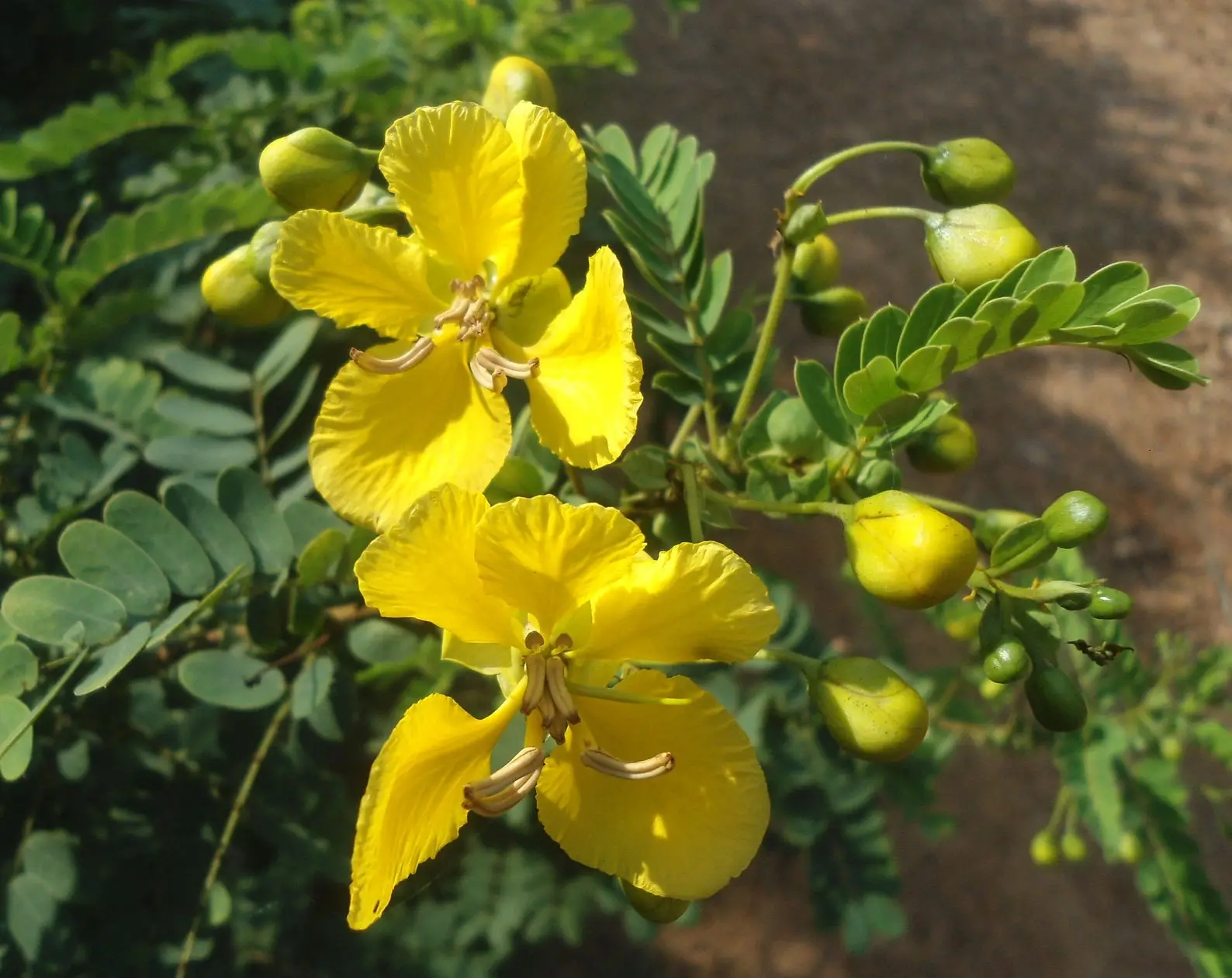
Bauhinia racemosa, commonly known as the Bidi Leaf Tree, is a small leguminous tree native to South Asia and Southeast Asia, valued for its medicinal properties and cultural significance. Seeds of this species possess a hard coat inducing physical dormancy, which substantially limits natural propagation and seed germination in the wild. With appropriate pre-treatment combining scarification and soaking, germination rates can reach 85-98%, making seed propagation a viable method for cultivation.
Before sowing
Seeds have physical dormancy limiting natural propagation. Mechanical scarification combined with soaking produces highest germination rates (up to 98%). Germination varies from 40-98% depending on treatment method.
Sowing
What to expect
Tips
Always collect seeds from mature, dark brown pods. Combine scarification with warm water soaking for best results—mechanical scarification alone yields 98% germination while hot water soaking produces 68% germination. Keep substrate moist but not waterlogged to prevent seedling damping-off. Transplant seedlings with 2-3 true leaves to individual containers. Young plants develop a long taproot within 2 months, so deeper containers are recommended. Seeds germinate fastest and achieve highest rates between 25-30°C. This species is sensitive to drying after germination, so maintain consistent moisture during early growth stages.
Sources: Kew Science (Plants of the World Online), ResearchGate - In vitro propagation and medicinal properties studies, Tropical Plants Database, e-Flora of India, Research publications on B. racemosa germination