
Amorphophallus krausei is a herbaceous tuberous perennial from Southeast and East Asia that produces a solitary pinnately compound leaf about 25 cm long from a bowl-shaped tuber. Native to shaded forest margins, seeds exhibit difficult and variable germination requiring warm, consistently moist conditions and bright indirect light. This species has potential both as an ornamental aroid for collectors and as an edible crop in parts of southern China.
Before sowing
Prepare well-draining, moist, humus-rich fertile potting mix with light, sandy, or loamy texture. Soil should be rich in organic matter with slightly acidic to neutral pH. Members of genus generally require dappled shade position
Sowing
What to expect
Tips
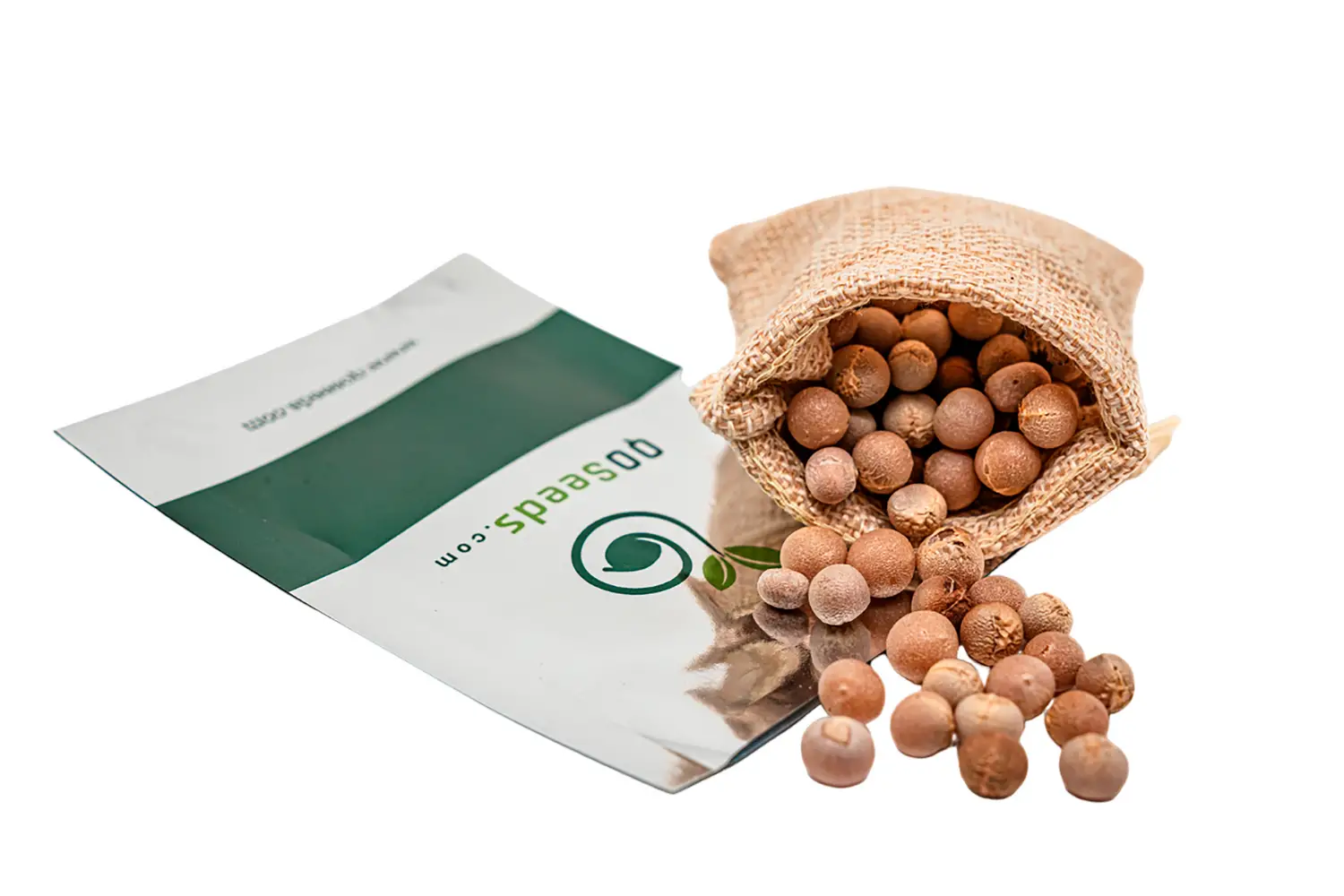
Use a heat mat to maintain consistent warmth between 25-30°C, with 27°C being optimal. Cover seeds with plastic wrap or clear dome to create greenhouse effect and maintain high humidity. Keep soil consistently moist but never waterlogged. Provide bright indirect light, avoiding harsh direct sun exposure. Be patient as germination may take 1-8 months. Once seedlings emerge, transplant individually and maintain warm, humid environment. This species is less adaptable than many Amorphophallus relatives and requires careful cultivation.
Sources: Kew Science Plants of the World Online, Juniper Level Botanic Garden, Tropical Plants Database, Pacific Bulb Society, Plant Delights Nursery, Chloroplast Genome Assembly Study