Fresh seeds to sow

Free shipping on orders over €30Up to 30% off all purchasesFree shipping on orders over €30Up to 30% off all purchases
How to GerminateAmorpha fruticosa

Amorpha fruticosa

False Indigo, Desert False Indigo, Indigo Bush, Bastard Indigobush
Native · North America (contiguous United States, northern Mexico, and southeastern Canada)
Difficulty
moderada
Temperature
21°C ideal
Germination
7–60days
after pre-treatment
Success rate
~60%
Light
indiferente
Sow depth
levemente_coberta

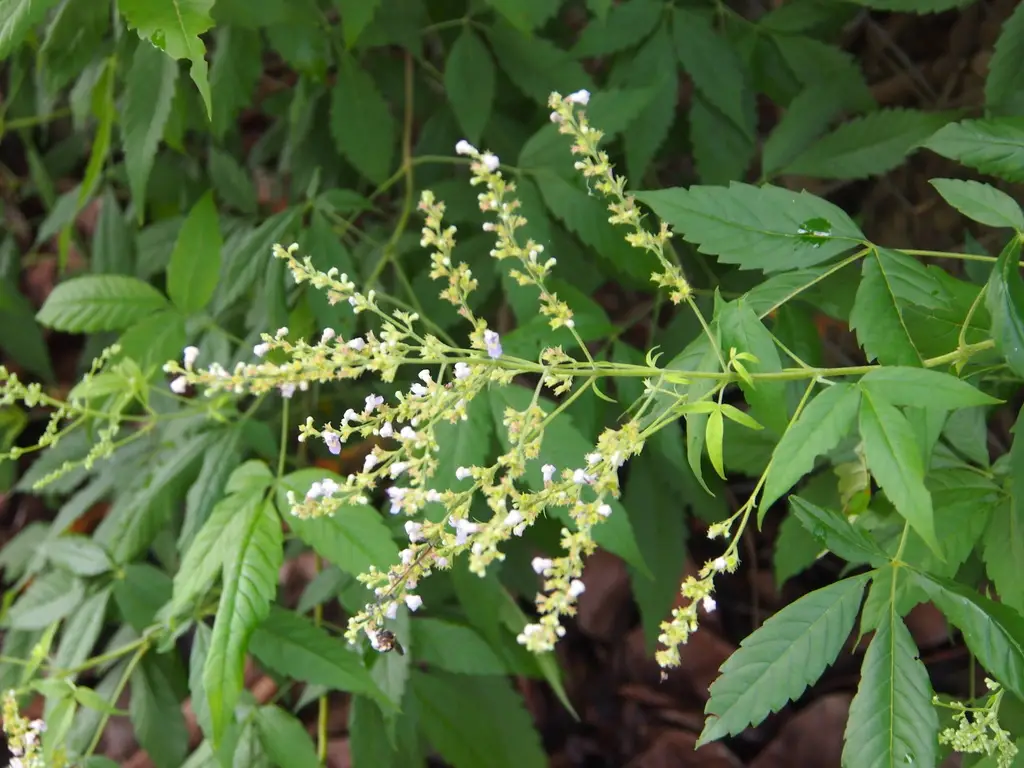
Amorpha fruticosa, commonly called False Indigo or Indigobush, is a native deciduous legume shrub belonging to the Fabaceae family. This nitrogen-fixing plant features distinctive purple flowers and is highly valued for erosion control, wildlife habitat, and ornamental purposes across North America. Seed germination requires scarification to overcome the hard seed coat, but once properly treated, seeds germinate readily within 20-30 days at warm temperatures.

Before sowing

Scarification
agua_quente Submerge seeds in hot water (70-80°C / 160-180°F) and leave to soak for 12-24 hours. Any seeds that have not swollen should be placed in fresh hot water and soaked again. This can be repeated up to 3 times. Alternatively, mechanically nick the seed coat or use concentrated sulfuric acid (5-8 minutes). Fall sowing in mulched beds is preferred as an alternative to scarification.
Soak
12 h Pre-soak seeds in warm water for 12-24 hours before sowing. Seeds that have swollen to 2-3 times their original size indicate successful water uptake and readiness for germination.

Seeds have a hard, water-impermeable seed coat. Without pretreatment, germination rates may be only 10% or less. Scarification is essential to break seed dormancy and improve germination success.

Sowing

Substrate
Well-draining seed-starting mix, sandy loam, or generic seed germination medium
Depth
levemente_coberta
Temperature
21°C
Moisture
media
Container
Seed trays, flats, or pots with drainage holes. Direct sowing in soil is preferred as plants do not tolerate transplanting well.
Day/night swing
Alternating temperatures of 20/30°C are recommended for official seed testing (ISTA standards). Provide light during the warm period.

What to expect

Step 1
Pre-treat the seed
Step 2
Sow at levemente_coberta · 21°C
Day 7–60
Seedlings emerge (~60%)

Tips

1. Sow seeds 1/16 inch (1.6 mm) deep, tamp the soil firmly, and lightly mulch the seed bed. 2. Fall sowing in mulched beds is preferred and may negate the need for scarification. 3. Seeds require warm temperatures (70°F/21°C or higher) to germinate; do not expose to cold. 4. Direct sowing is best as seedlings do not tolerate transplanting well. 5. Germination is rapid (7-10 days) once seeds have absorbed water and swollen. 6. Remove only swollen seeds after scarification; small seeds may germinate later and should be sown. 7. Keep substrate consistently moist but not waterlogged during germination period.

Sources: USDA Forest Service, UF/IFAS Landscape Plant Propagation, Lady Bird Johnson Wildflower Center, Tallgrass Prairie Center, Native Seed Network, Tree Seed Online, Plants for a Future, Springer Journal of Seed Biology
You might also like

Free shipping on orders over €30Up to 30% off all purchasesFree shipping on orders over €30Up to 30% off all purchases