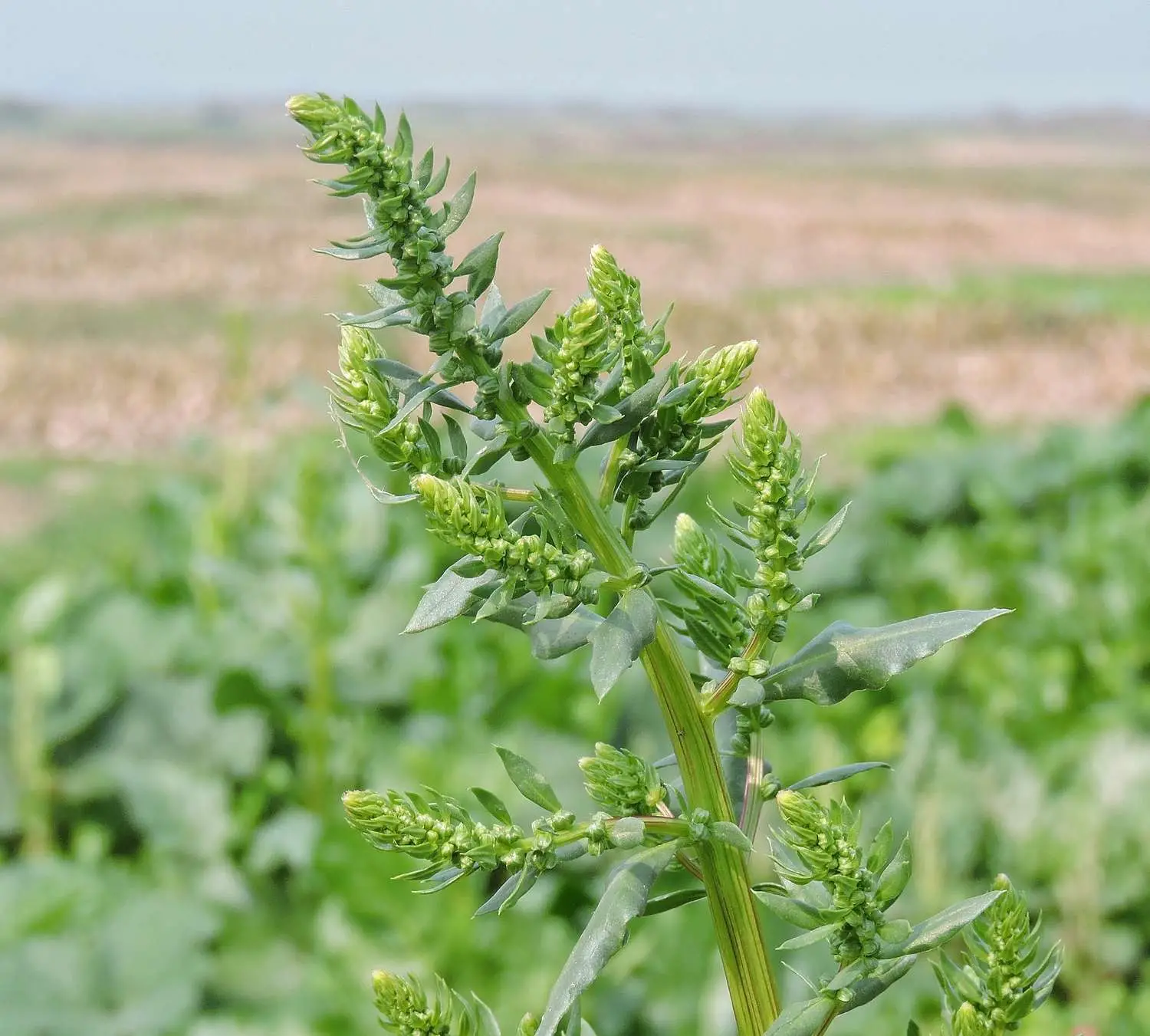
Allium ampeloprasum, commonly known as wild leek or broadleaf wild leek, is a biennial bulbous plant in the Amaryllidaceae family that serves as the parent species for several important vegetables including leek, elephant garlic, kurrat, and Persian leek. Seeds germinate optimally after cold stratification, which mimics natural winter conditions and significantly improves germination rates and uniformity. The species is native to southern Europe, southwestern Asia, and northern Africa, thriving in cool, temperate climates.
Before sowing
Seeds benefit from 30-45 days of cold stratification mixed with moist vermiculite or peat at 4-5°C in humid environment to improve germination uniformity and rates.
Sowing
What to expect
Tips
Maintain consistent moisture in the substrate during germination—moist but not waterlogged. Provide bright, indirect light with gentle heat from a heat mat to accelerate germination if desired. After stratification, germination typically occurs within 7-21 days at room temperature (18-20°C). Keep seedlings under grow lights once they emerge to prevent leggy growth. Thin seedlings to allow air circulation and reduce damping-off disease. High humidity during germination is beneficial; cover the container loosely or use a propagation dome. Seeds exhibit variable germination rates (70-90%), so sowing slightly extra seeds is recommended. Allow 6-8 weeks of seedling growth before transplanting outdoors after hardening off.
Sources: Wikipedia - Allium ampeloprasum; NC State Extension; Bumblebee Seeds; Gaea's Blessing Seeds; Weekand.com - Germination of Leeks; Grove.eco; Survival Garden Seeds; Hudson Valley Seed Library