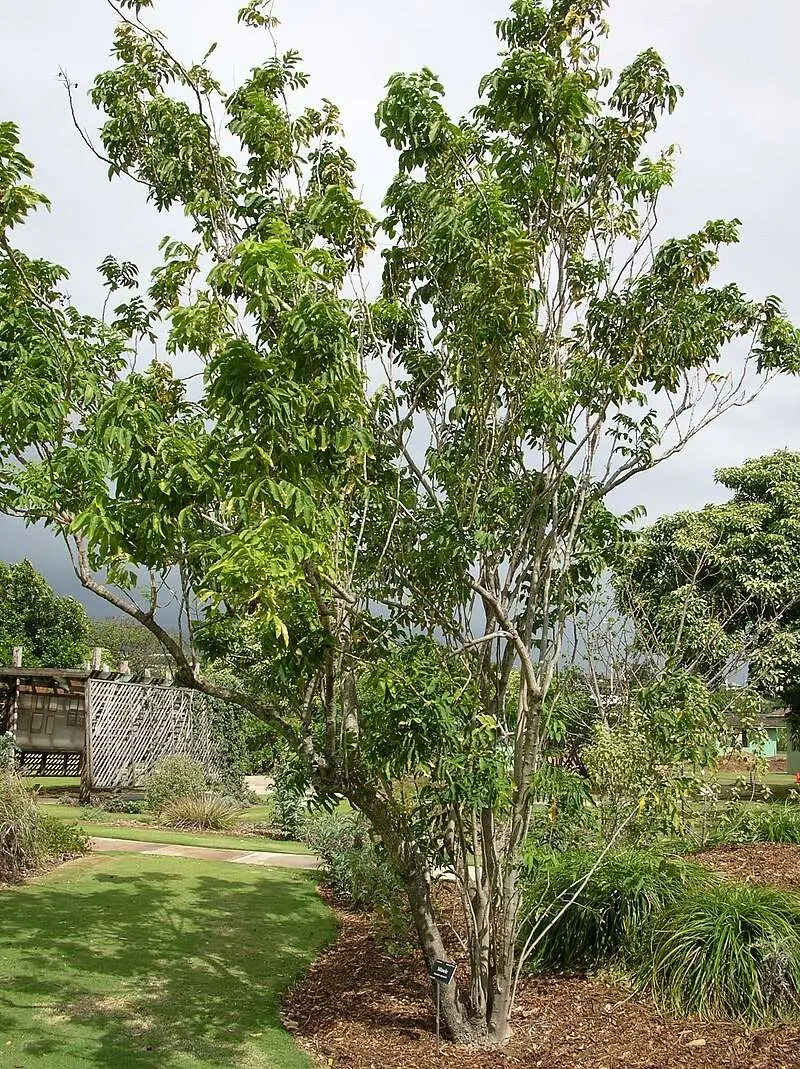
Acer tataricum subsp. ginnala, commonly known as Amur maple, is a cold-hardy small tree native to northeastern Asia with distinctive three-lobed glossy leaves and spectacular red-orange fall color. Despite myths suggesting maples are difficult to germinate, fresh seeds have germination rates of 80-90%, though breaking seed dormancy through cold stratification is essential for stored seeds. This subspecies requires a 60-90 day period of moist cold treatment at 1-8°C to successfully overcome physiological dormancy and achieve reliable germination.
Before sowing
Mix seeds with moist peat moss, sand, or vermiculite and place in refrigerator at 2-5°C for 60-90 days. Check periodically to prevent drying and mold development. Fresh seeds harvested green (fully developed but before drying) can be sown immediately without stratification.
Sowing
What to expect
Tips
Harvest seeds when fully developed but still green (before they dry) for best results, as dried seeds develop germination inhibitors. Use fresh green seeds immediately without stratification for highest germination. For stored seeds, ensure the stratification medium remains moist but not waterlogged to prevent mold and seed rot. Seeds may begin germinating in the refrigerator—monitor closely and transfer any germinated seeds to warm conditions immediately. After stratification, provide temperatures of 18-24°C for optimal germination (14-90 days). Acclimate seedlings gradually before transplanting outdoors. Remove the winged pericarp to hasten imbibition and reduce stratification time from 90 to 30-45 days if faster germination is desired.
Sources: USDA Plant Guide, Temperate Plants Database, RHS, Missouri Botanical Garden, Minnesota Department of Agriculture, Vilmorin Tree Seeds, Research publications on Acer ginnala seed dormancy