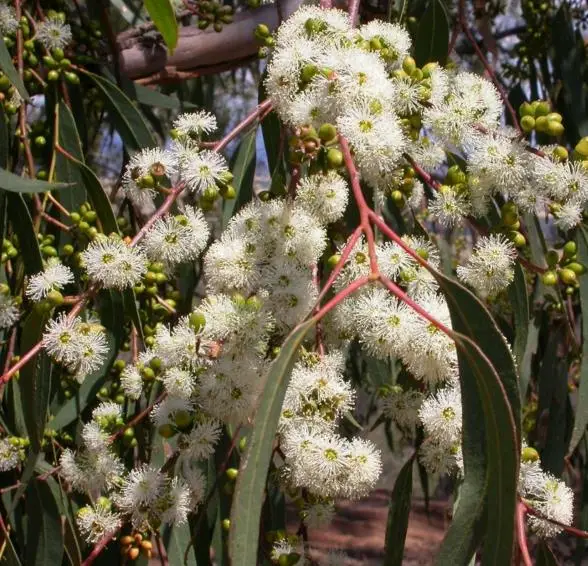

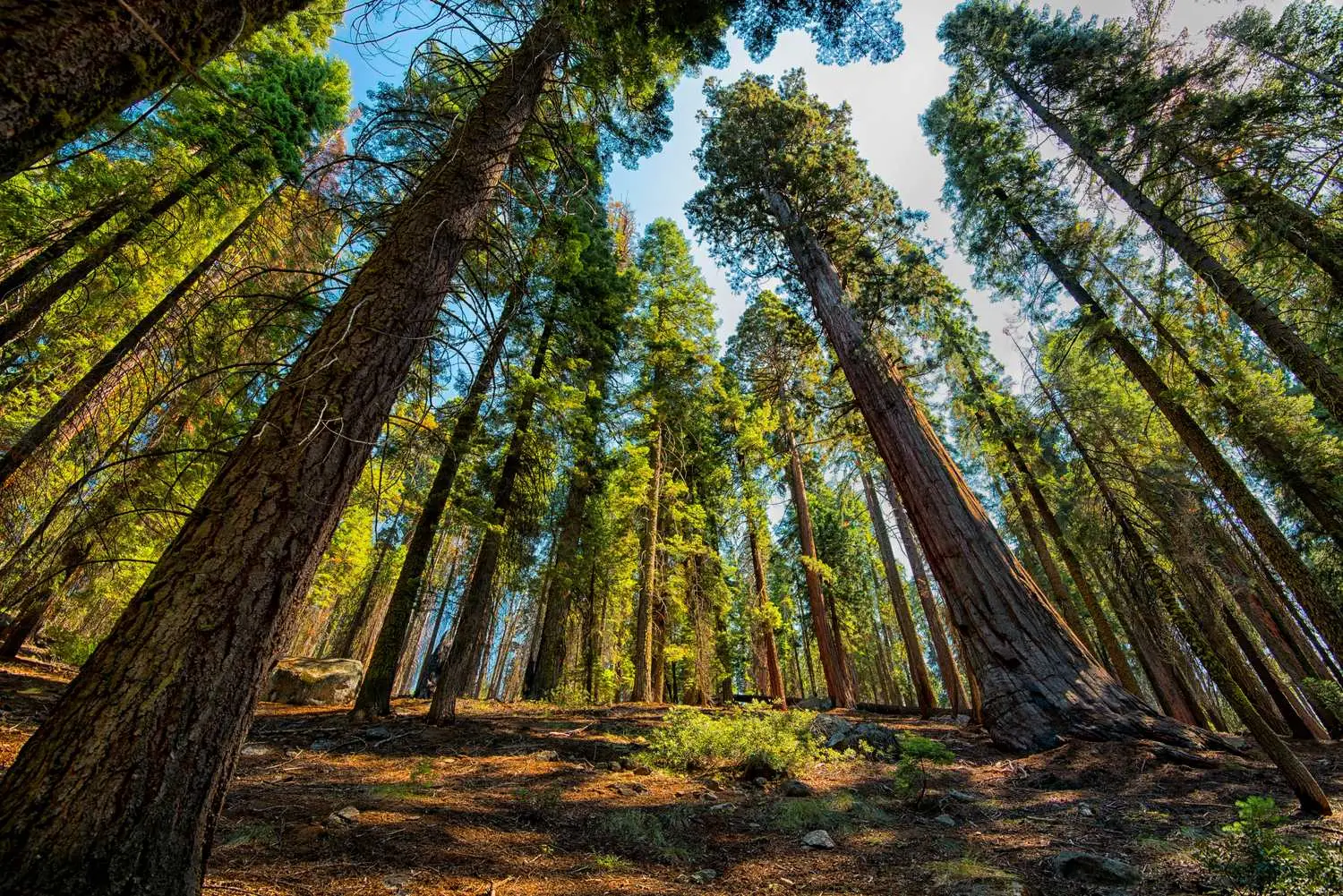
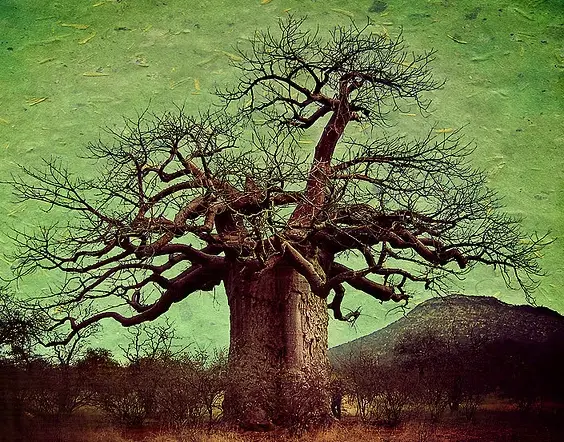
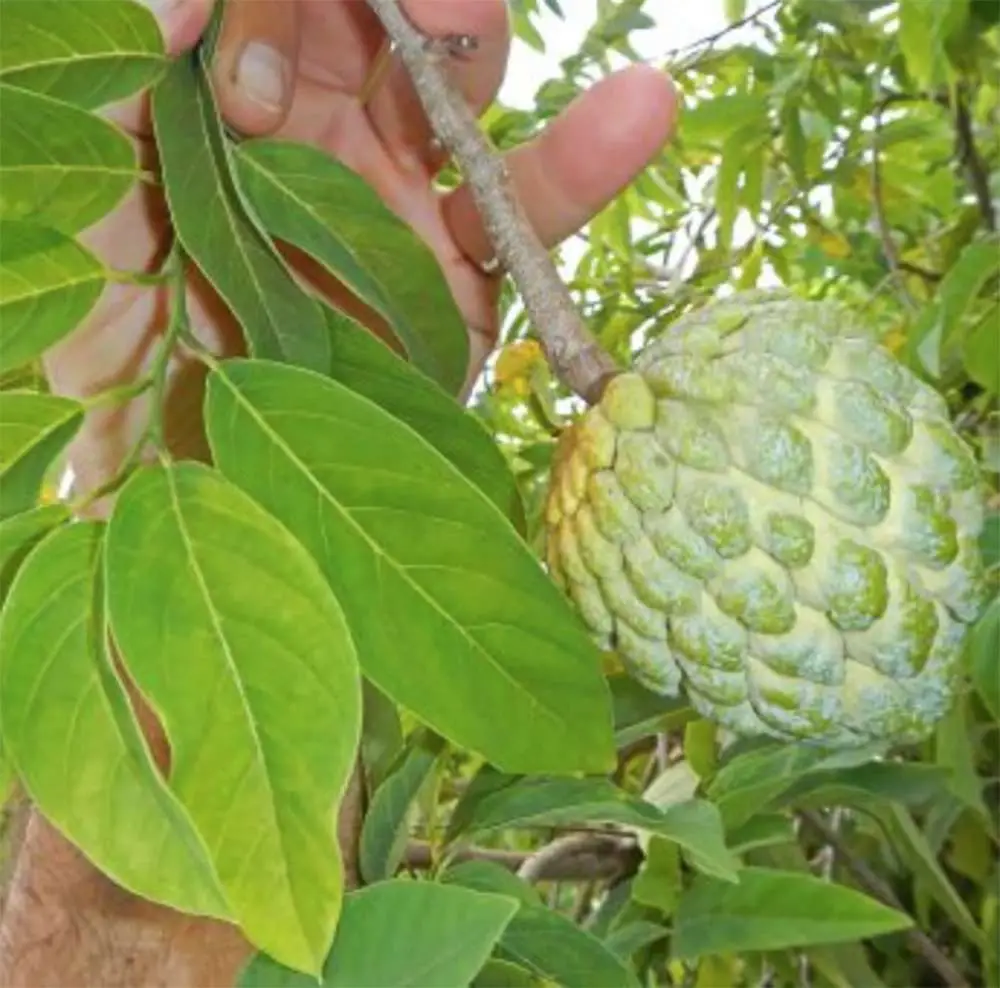
Acacia senegal, commonly known as Gum Acacia or Gum Arabic Tree, is a small thorny deciduous tree native to semi-desert regions of Sub-Saharan Africa and parts of Asia. It is the source of the world's highest quality gum arabic, widely used in food, cosmetics, and industrial applications. As a nitrogen-fixing legume, this species is highly valued for soil improvement and agroforestry systems, making it both economically and ecologically important for dryland regions.
Before sowing
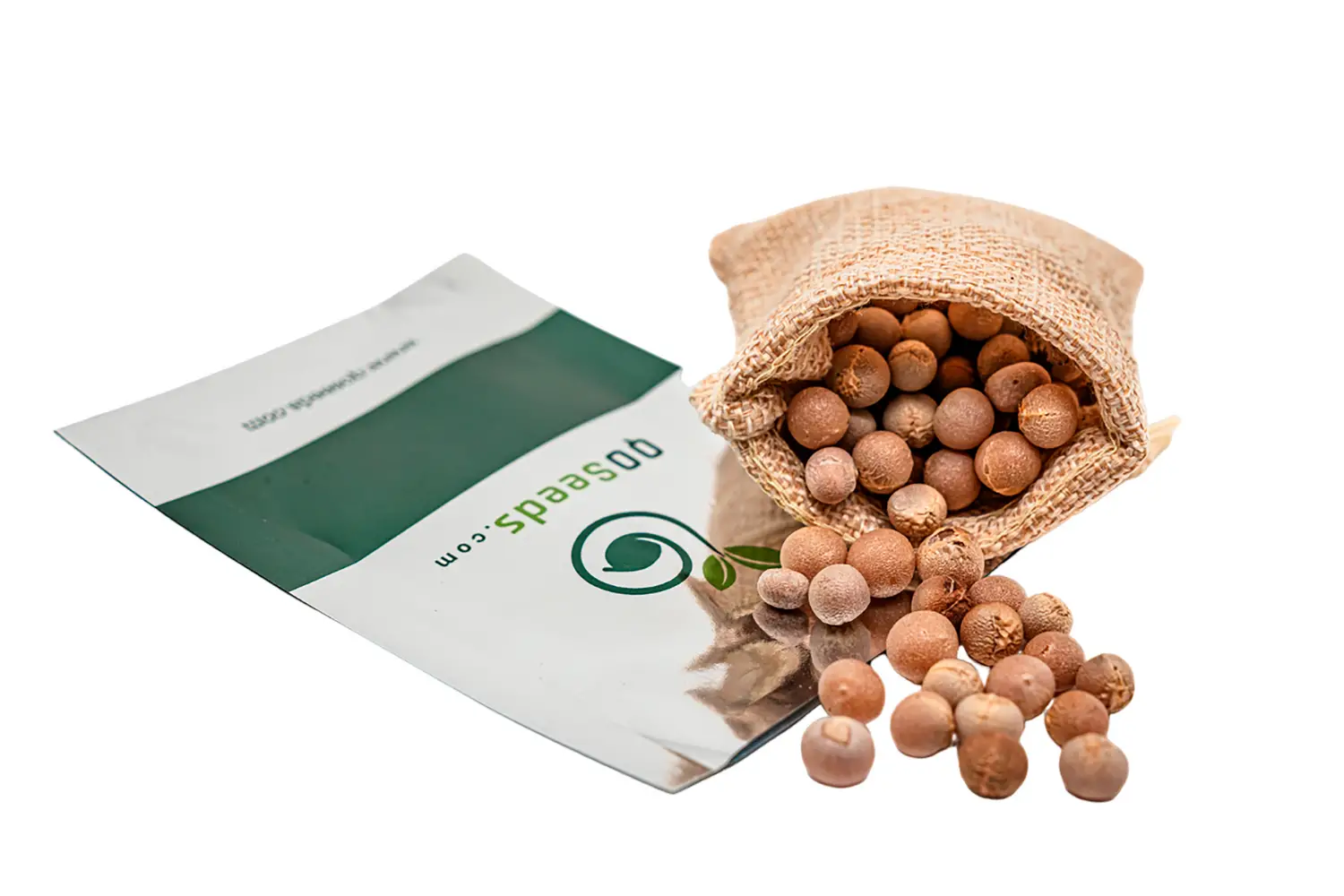
Fresh seed requires no pretreatment if sown immediately after harvest. Seed collected in previous seasons requires pretreatment to break dormancy. Scarification followed by soaking is recommended for older seed.
Sowing
What to expect
Tips
Ensure adequate air circulation to reduce fungal growth—avoid completely sealed environments. Seedlings develop a deep taproot and resent root disturbance; transplant into permanent positions as soon as possible after developing 2-4 true leaves. Handle seedlings carefully to avoid disturbing the developing root system. The species is drought-tolerant once established and prefers well-drained soils. Provide seedlings with full sun during later growth stages. Tamp soil gently over seeds after sowing. When seeds begin to germinate, transplant to small containers with a well-draining medium. Keep containers moderately moist but not waterlogged. Once seedlings develop several true leaves, feed with diluted fish fertilizer if using low-nutrient potting medium.
Sources: World Agroforestry Centre, FAO Handbook on Dry-Zone Acacias, PFAF Plant Database, Sheffield's Seed Company, research papers on Acacia senegal germination