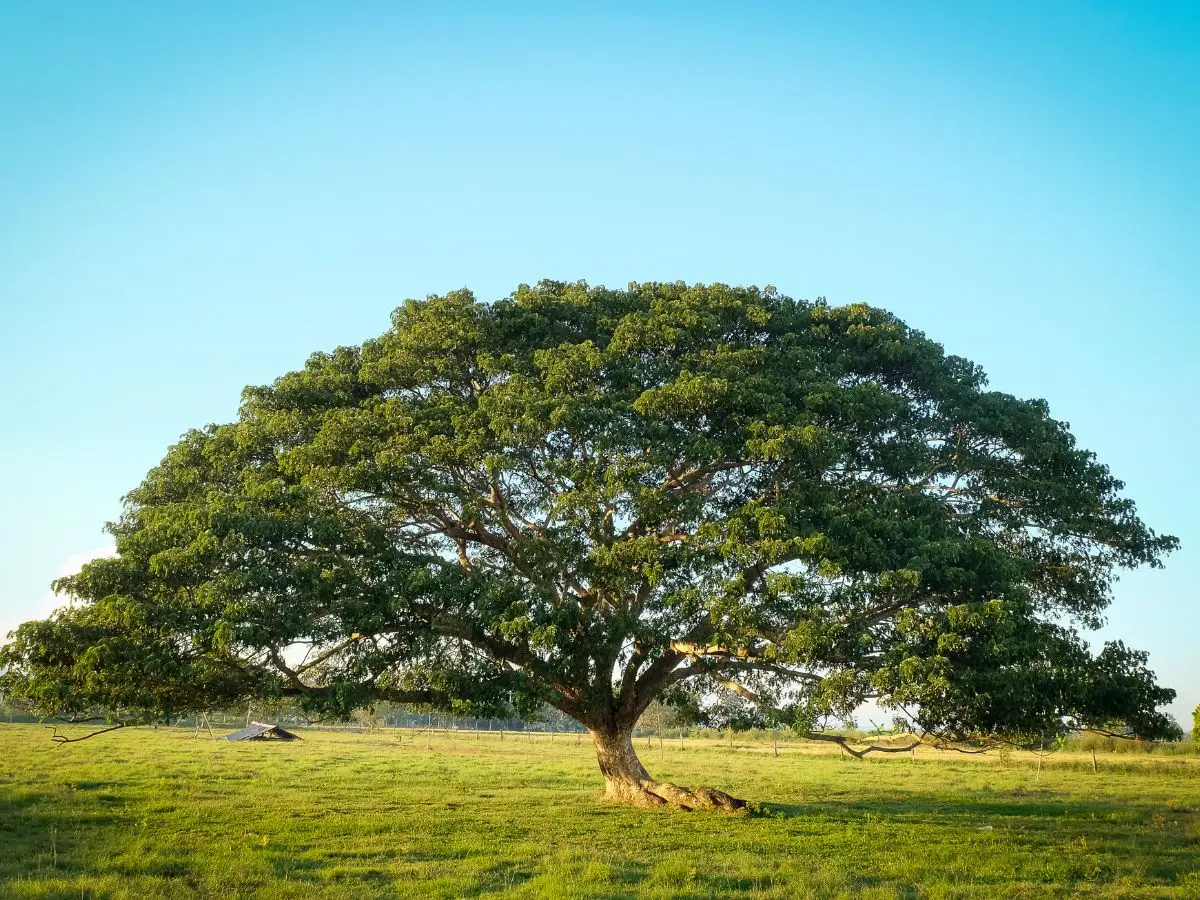

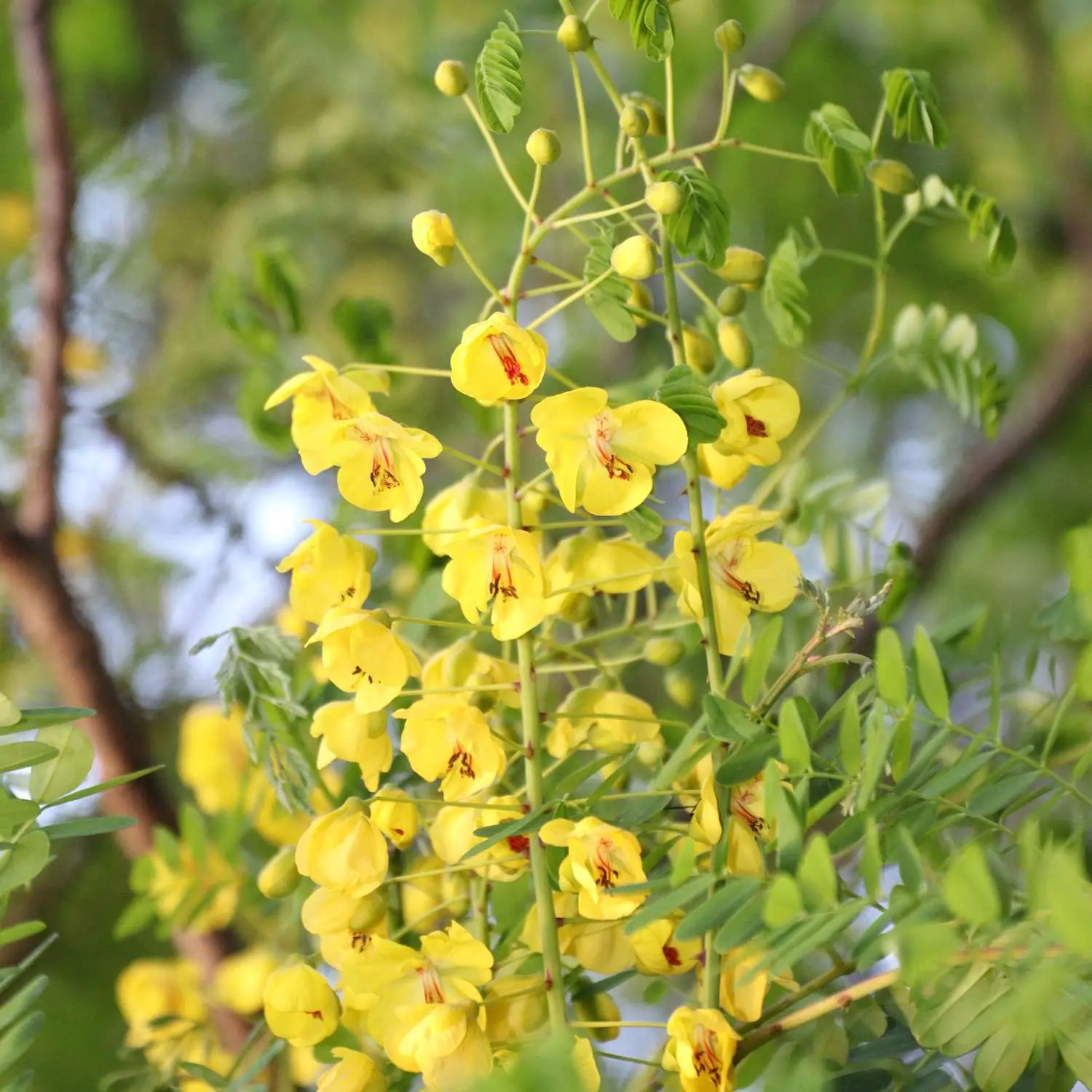

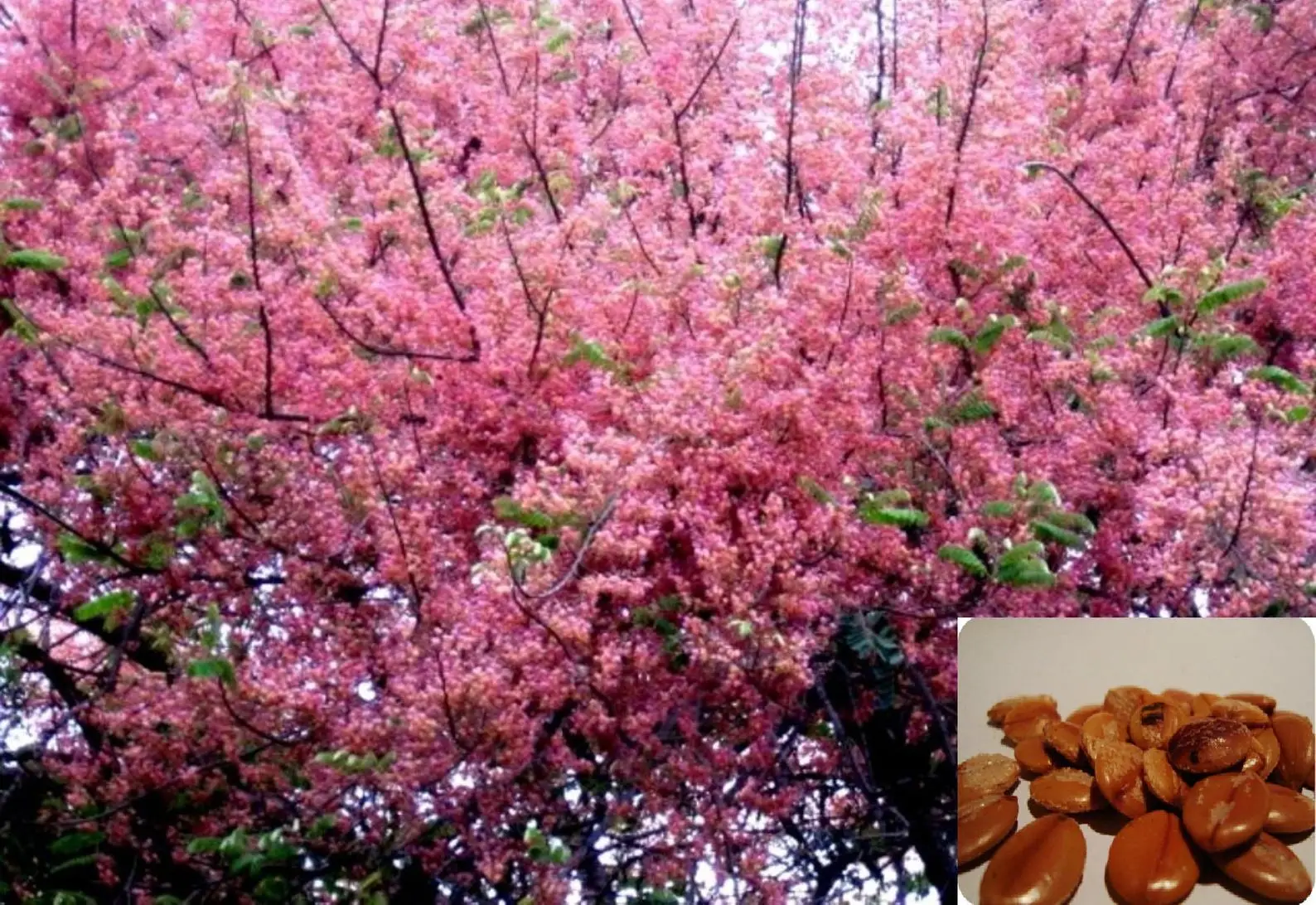
Acacia mellifera, commonly known as blackthorn, is a drought-resistant shrub or small tree native to arid and semi-arid regions of Africa and the Arabian Peninsula. It is valued for its excellent honey-producing flowers, nutritious forage, and hard termite-resistant wood. The species exhibits physical seed dormancy with an impervious seed coat, requiring appropriate pre-treatment to achieve reliable germination in cultivation.
Before sowing
Combine mechanical scarification with warm water soaking. Scarify seeds gently, then immerse in warm water for 12-24 hours. For non-responsive seeds, repeat the process.
Sowing
What to expect
Tips
Sow seeds in a well-lit location without direct sunlight; maintain consistently high substrate moisture but ensure good drainage; use artificial lighting (fluorescent lamp) if natural light is insufficient; monitor daily for emerging radicles; acclimate seedlings gradually before transplanting outdoors; fresh seeds (less than one year old) germinate more reliably than older seeds; handle water-soaked seeds carefully as they are fragile; do not press seeds deeply into substrate; keep germination containers aerated daily to prevent fungal issues.
Sources: FAO Seed Pretreatment Guide, JEBAS Research on Senegalia mellifera, World Agroforestry Center, Botanical Gardens research data